


Medically reviewed by
Dr Fotis Garagounis (GMC) — Updated on July 24, 2026
Dr Fotis Garagounis (GMC) — Updated on July 24, 2026




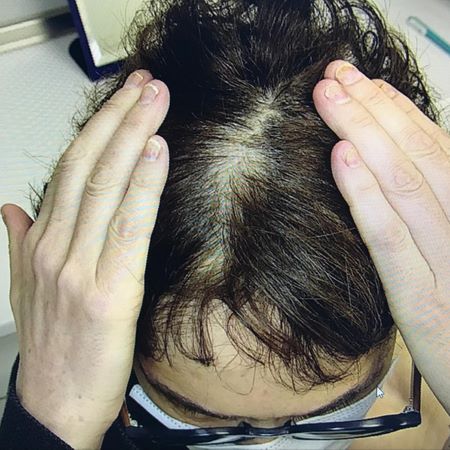

Why am I experiencing hair loss?
There can be a number of reasons why you may be experiencing thinning hair or hair loss. The most common reasons your hair may be falling out include:
- Androgenetic alopecia
- Telogen effluvium
- Alopecia areata
- Medication-induced hair loss
- Common scalp problems
If you are concerned about hair loss, book a consultation now with one of our world-renowned trichologists. They will run all the necessary tests and provide you with an accurate diagnosis and a personalised treatment for your condition.
It is a good idea to get treatment for your hair loss sooner rather than later, as certain kinds of alopecia progress if left untreated and can get to the point where medication alone can no longer restore your hair. If that happens, you might need a hair transplant to recover your once-luxurious locks.
Fortunately, even if you should need hair restoration surgery, technology in this field has developed to the point where you can get such a natural-looking hair transplant that it will be hard to tell you even had one, regardless of whether you opt for a or FUE procedure.
Basically, you can get a hair transplant without anyone knowing. The best hair transplant clinics in the UK have a 97-100% success rate and you can see the results for yourself in our before and after hair transplant gallery.


Medically reviewed by Dr Fotis Garagounis (GMC)
— Updated on July 24, 2026
The Wimpole Clinic offers FUE Hair, Beard & Eyebrow Transplants & Trichology.
Talk to a specialist ☎ 020 7935 1861.
Talk to a specialist ☎ 020 7935 1861.
Medically reviewed by
Dr Fotis Garagounis (GMC) — Updated on July 24, 2026
Dr Fotis Garagounis (GMC) — Updated on July 24, 2026
Book Your Free Hair Transplant Consultation
Simply fill in your details and we’ll get in touch with you shortly.