What is hyaluronic acid?
Hyaluronic acid (HA) is a humectant, meaning it attracts and retains moisture [1]. And with the ability to bind more than 1,000 times its weight in water, it’s extremely powerful [2].
Hyaluronic acid draws water from your environment and uses this to hydrate your skin, lubricate your joints, and regulate tissue repair [1]. It occurs naturally in your skin, but many skincare products also contain this moisturising molecule to soothe dry skin and create a lusher, more hydrated appearance.
So hyaluronic acid is great for skin maintenance — but can it also help your hair?
The benefits of hyaluronic acid for hair
There’s limited research into the impact of hyaluronic acid on hair, though some studies have suggested it might help improve the condition of damaged hair, and possibly even pave the way for new developments in treating hair loss [3-4]. Here are five science-backed benefits of hyaluronic acid for hair.
1. Hyaluronic acid can improve hair strength
Subjecting your hair to chemical treatments and heat styling will eventually take its toll, leaving you with dry, brittle hair that’s prone to breakage. But studies show that using hyaluronic acid with a low molecular weight may improve the mechanical and tensile strength of your hair, protecting it against further damage [3].
Hyaluronic acid with a low molecular weight is more easily absorbed by your hair. Products marked “quick absorption” are likely to have a low molecular weight. But hyaluronic acid serums with a high molecular weight are also helpful, as these film-forming humectants help retain moisture by creating a barrier on the hair shaft surface.
2. Hyaluronic acid improves hair elasticity
Treating hair with hyaluronic acid can improve water bonding within the hair fibres, which promotes the formation of hydrogen bond networks within your hair keratins [3]. Strengthening these bonds can make your hair more elastic, helping it retain its natural curl or wave pattern without breaking or fraying.
3. Reduce frizz with HA
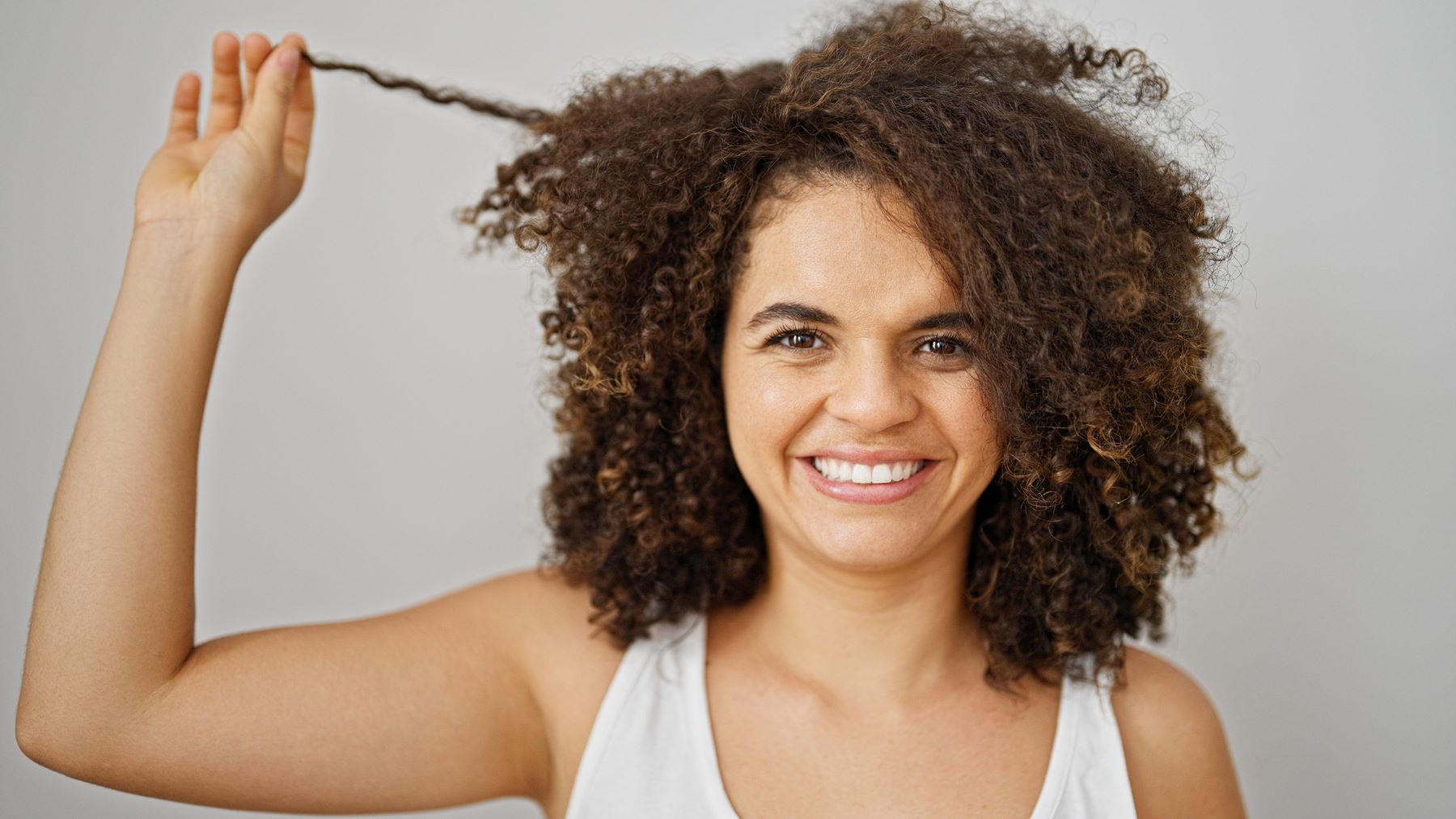
One study found that applying an optimised hyaluronic acid blend of low and high molecular weight variants to hair could decrease spontaneous frizzing by 11% [4]. Minimising frizz is particularly important for those with curly hair (type 3a hair to type 4c hair), and is a great way to treat hair that feels straw-like and brittle.
However, if you live in a humid environment, you might find that humectants like hyaluronic acid actually make frizz worse as they draw moisture from the air into your hair fibre. If you’re concerned about frizz, use a small amount of HA first to see the impact on your hair.
4. Hyaluronic acid may biorevitalise your hair follicles
Noncrosslinked hyaluronic acid — that is, the HA that occurs naturally in your connective tissues — may be able to restore the viability of human dermal papilla cells, which are found in the base of hair follicles [5]. It can also increase secretion of certain growth factors, offering a novel way to boost hair growth in future.
These results have only been established in lab settings, so a lot more research is needed to establish whether this can work in reality. But it’s a promising start to finding more ways to reverse baldness.
5. HA microneedles may improve absorption of hair growth treatments
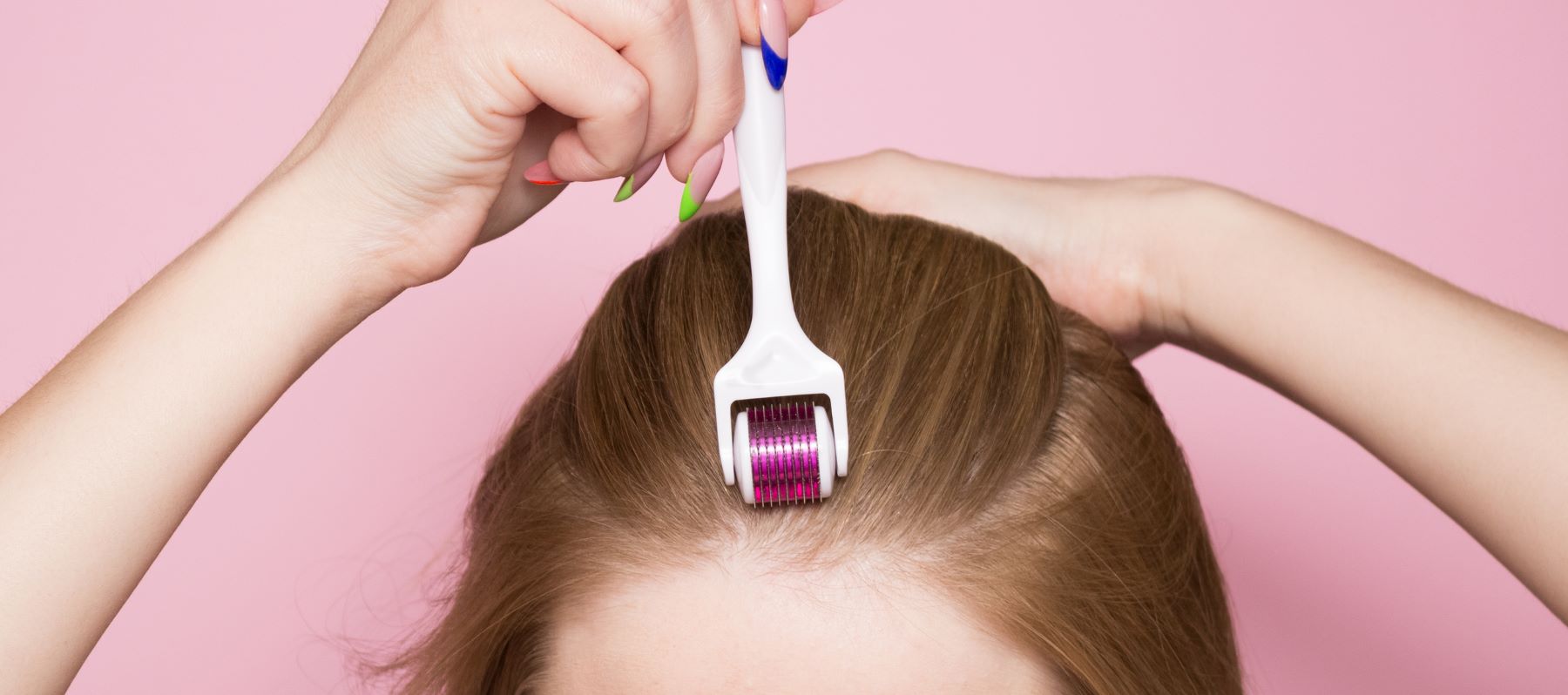
Scientists are continuously searching for new ways to improve hair growth. In 2022, researchers used hyaluronic acid to create microneedles that could improve absorption of topical Minoxidil, a licensed hair loss treatment in the UK [6]. They concluded that HA enhanced cell proliferation, leading to increased hair density and follicle length.
This isn’t a treatment you can try at home (although many people use standard derma rollers with Minoxidil to enhance hair growth). But it holds promise for future applications of HA as a hair loss treatment.
Are there any downsides to using hyaluronic acid for hair?
While the evidence surrounding hyaluronic acid for hair is promising, there are a couple of downsides to be aware of.
First, hyaluronic acid may increase the crystallinity of keratin in the hair fibre [3]. While this can make fibres stronger, it can also decrease their flexibility, making them more prone to hair breakage. So too much HA may actually be detrimental to your hair.
In addition, one study found that an injection of hyaluronic acid filler for cosmetic purposes unrelated to hair resulted in temporary hair loss [7].
Side effects and complications from hyaluronic acid are rare. But if you’re concerned about the effects of any cosmetic product, stop using it and seek advice from a dermatologist or trichologist.
How do I use hyaluronic acid on my hair and scalp?
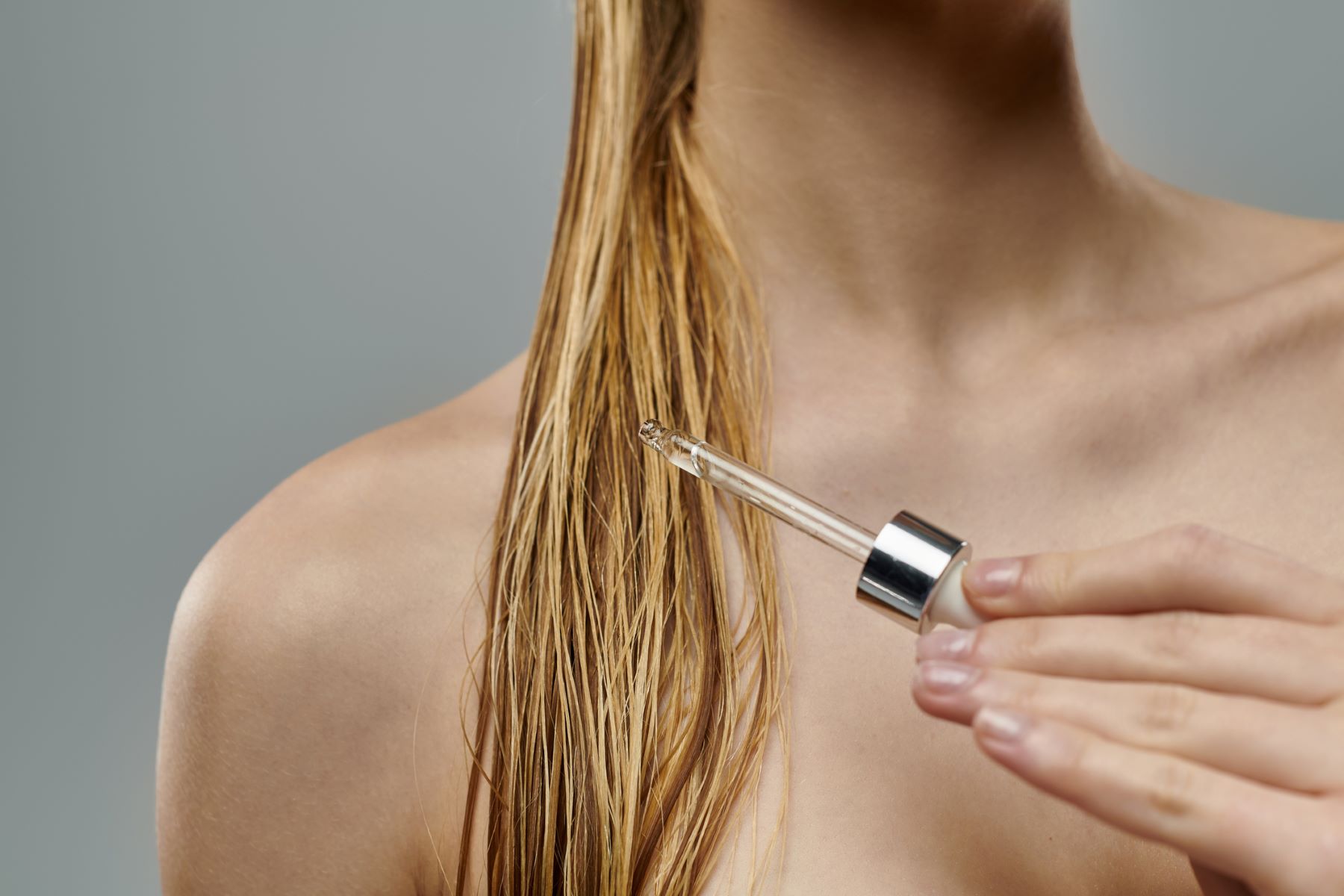
There are lots of ways you can apply hyaluronic acid to your hair and scalp, though the most effective way is to apply hyaluronic acid to your hair after washing, conditioning, and detangling. This will help your hair retain as much moisture as possible.
Apply hyaluronic acid serum a couple of inches from the roots, then comb the serum through your lengths to promote moisture absorption and retention in the hair shaft.
You can also add hyaluronic acid to water-based hair treatments such as leave-in conditioners or protective serums.
Adding hyaluronic acid to shampoo or conditioner may seem like the hassle-free option, but you probably won’t see much benefit, as the washing process will quickly remove the hyaluronic acid from your hair.
Avoid applying hyaluronic acid to dry hair, as it may absorb any existing moisture from your tresses and leave them drier than before. So however you use it, make sure your hair is wet beforehand.
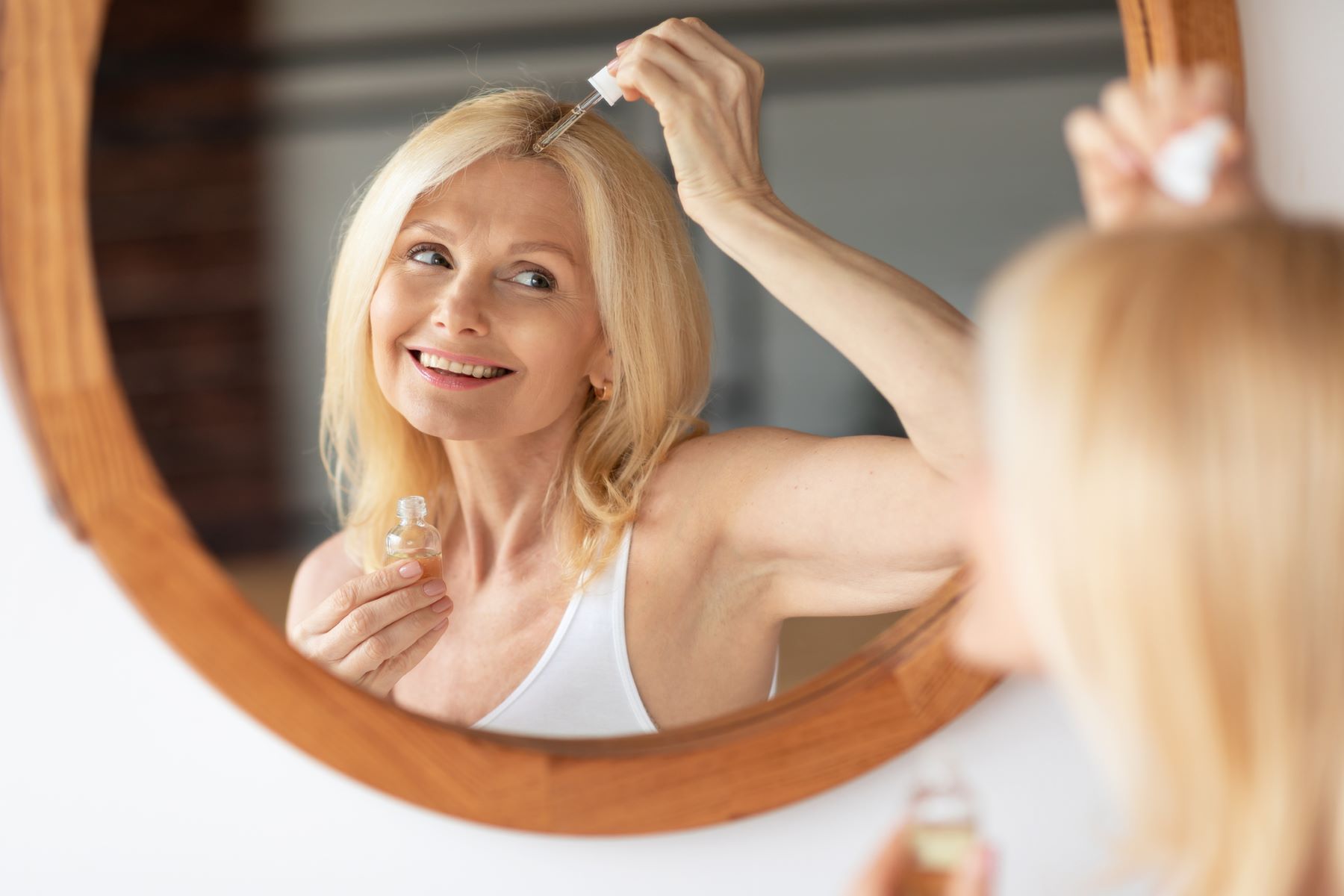
Can I apply hyaluronic acid to my scalp?