Who is Joe Rogan?
Born in 1967 in New Jersey, USA, Joe Rogan is a famous American podcaster, actor, comedian, as well as a former television host. Rogan began his career at the age of 21 as a comedian, then went on to have several TV show appearances. He became well-known as a UFC commentator and as the presenter of the popular reality show Fear Factor. However, his current claim to fame came from the podcast he started in 2009, the Joe Rogan Experience.
While this talk show soon became one of the most widely viewed in the world, it is also highly controversial. Rogan debates hot-button social issues, openly supports specific political figures, and discusses various conspiracy theories.
Did Joe Rogan have a hair transplant?
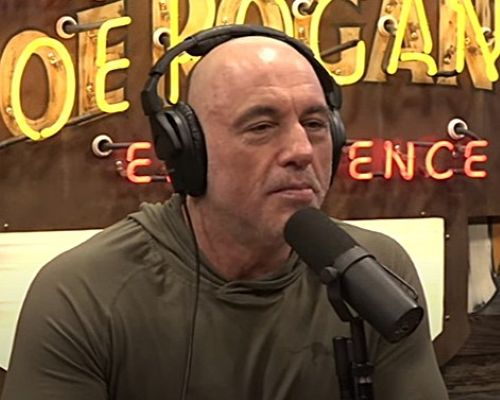
Looking at Joe Rogan’s clean-shaven head, it’s easy to assume that he has never had a hair transplant. However, the reality is that he has had not one, but 3 hair restoration surgeries in his late twenties. However, the podcaster was never happy with his results.
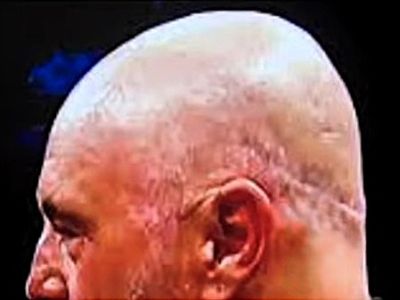
Joe Rogan has spoken openly about this subject, saying the hair transplants he had in his youth were “the dumbest thing I’ve ever done”, as he was left with nothing to show for them except scarring on his donor area:
“I have a giant scar at the back of my head, it looks like a smile.”
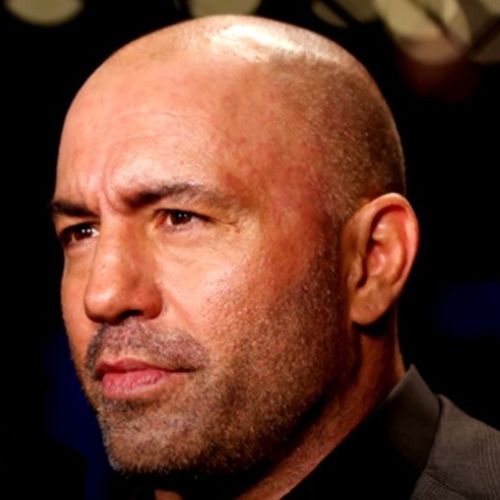
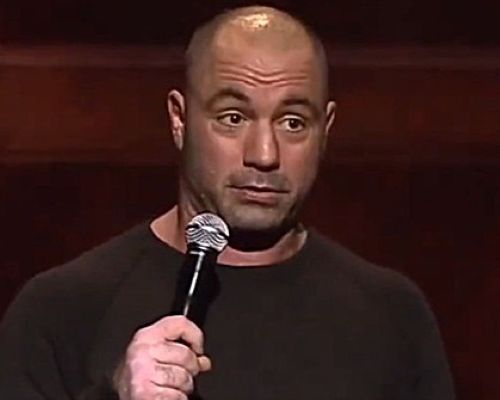
Rogan got his first hair transplant at around age 26. However, dissatisfied with the results, he continued to get two subsequent surgeries until around the age of 28. Since he was still not pleased with the outcome and was visibly balding around his implanted grafts, in his mid-forties, Joe eventually decided to shave his head completely, embracing a masculine, rugged bald look.
Why did Joe Rogan’s hair transplants go wrong?
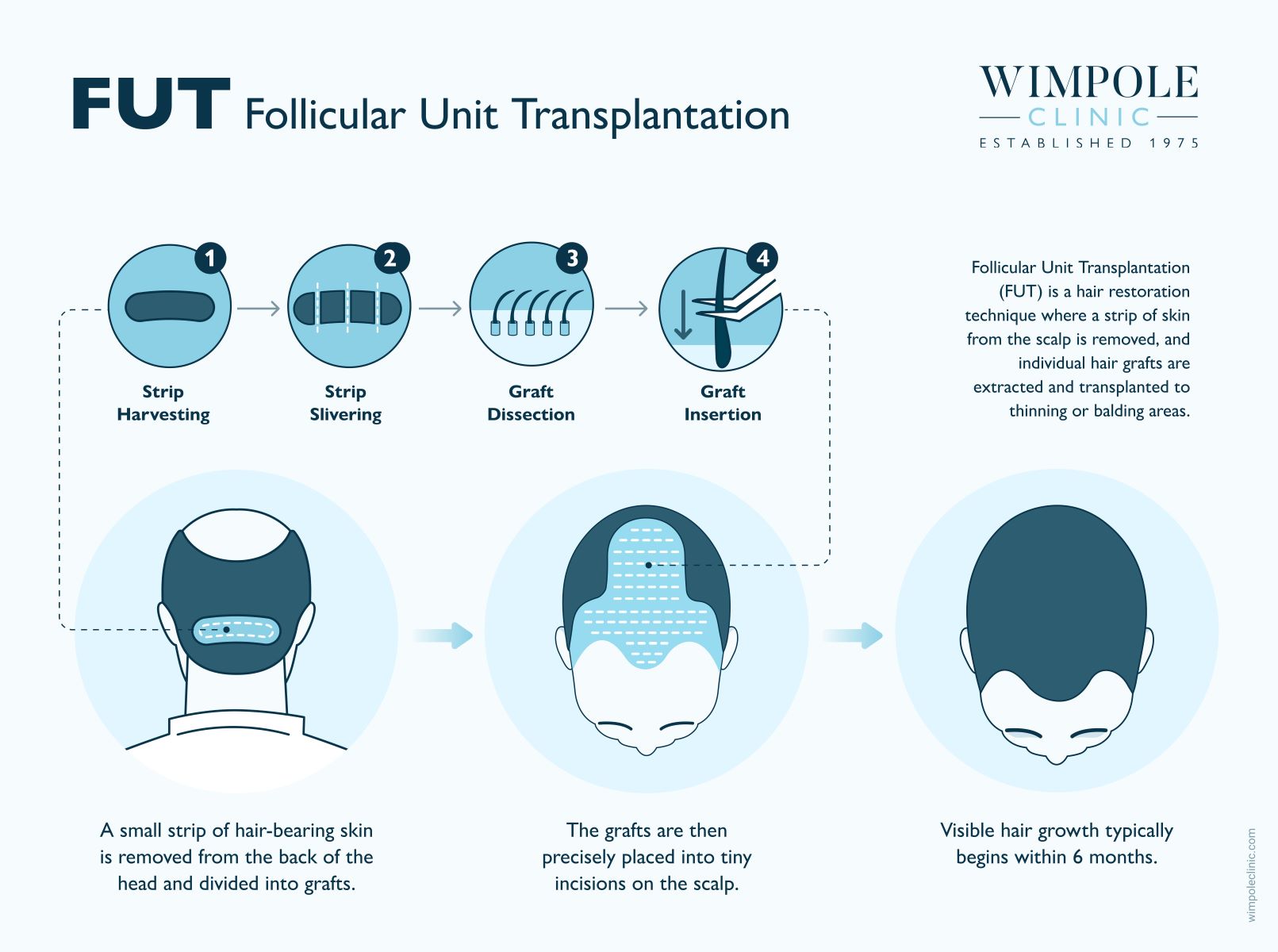
From interviews and media footage, it doesn’t seem like Rogan’s hair transplants have failed, at least not completely. But the actor was definitely not satisfied with their results. He rightfully complains about the highly visible scar on his donor area from his FUT procedure and blames his naturally thin hair for his poor scalp coverage. During his podcast. Roger expressed his belief that men with thicker hair could benefit much more from surgical hair restoration than he did.
However, while thin, straight hair can indeed produce less coverage than thick, curly strands, in Joe’s case, there seemed to be a bigger problem. The actor got his hair transplants at a rather young age and his male pattern baldness advanced further over time, around his transplant area. This made Rogan look like he was still balding and the procedures had not been effective.
Moreover, while Rogan does not disclose where he got his surgeries, his comments suggest that there may have been poor communication between him and his surgeon, as he may have had unrealistic expectations regarding the results he could get for his particular hair texture. He states that the surgeon showed him before and after hair transplant photos and he was left with the impression he would regrow a full head of hair, only to experience more modest results than he had hoped for.
Joe Rogan’s donor area scarring appears to be excessive even by FUT harvesting standards from 30 years ago. So it is likely that his surgeon may not have had the necessary skill to perform his procedure effectively. They cut out what seems to be an overly long strip of skin off Rogan’s donor area and closed the wound poorly, leaving him with a very large scar that is hard to cover up.
This may also be a result of hair transplant overharvesting, as the surgeon may have cut out a strip that was too long and wide, in hopes to harvest a higher number of grafts than is safe.
However, poor surgical practice and unrealistic result expectations are not the only possible reasons for hair restoration failure. Rogan does not address how closely he followed his surgeon’s instructions regarding hair transplant aftercare. Poor aftercare and/or failing to wait the recommended amount of time before engaging in certain physical activities such as working out after a hair transplant can lead to poor hair graft survival.
Why did Joe Rogan need a hair transplant in the first place?
In his mid-20s, Joe Rogan began to experience the first signs of hair thinning and balding caused by androgenetic alopecia. The actor began to develop the classic signs of male pattern baldness, including a receding hairline and temple hair loss. This common type of alopecia is progressive and if it is not treated, it can lead to more advanced hair loss.
Rogan has mentioned trying Minoxidil before opting for a hair transplant, but the medication’s failure to curb his hair loss discouraged him. And as a young actor, whose looks played an important part in his budding career, he feared that losing his hair would hurt his chance at success. So he saw getting a natural-looking hair transplant as his chance to preserve his appearance.
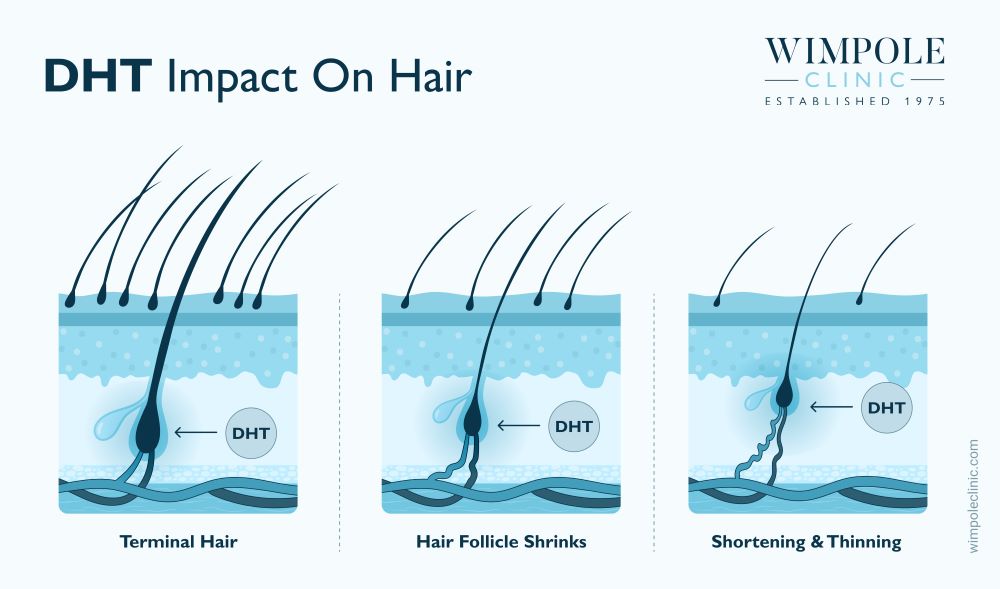
A permanent hair transplant is often the best solution for men with male pattern baldness due to the mechanism behind this condition [1]. It occurs when one of the male hormones naturally present in your body – dihydrotestosterone (DHT) – binds to your hair follicles, leading to hair miniaturisation and eventually baldness.
The follicles around your hairline, frontal area, temples and crown are naturally more sensitive to DHT. That is why your hair falls out in a specific pattern. However, follicles at the back and sides of your head don’t have the same sensitivity to DHT, which normally renders them immune to male pattern baldness.
Transplanting healthy hair follicles from the back of your head to your balding areas preserves their low sensitivity to DHT, which protects them from androgenetic alopecia.
Joe Rogan’s hair timeline
Joe Rogan appears to have started to lose his hair from a fairly young age. While there aren’t many publicly available photographs from his teenage years, the actor confesses that by his mid-twenties, he had already experienced signs of balding. Here is his hair journey from youthful, luxurious locks to the confident, clean-shaven man he is today.
The early years
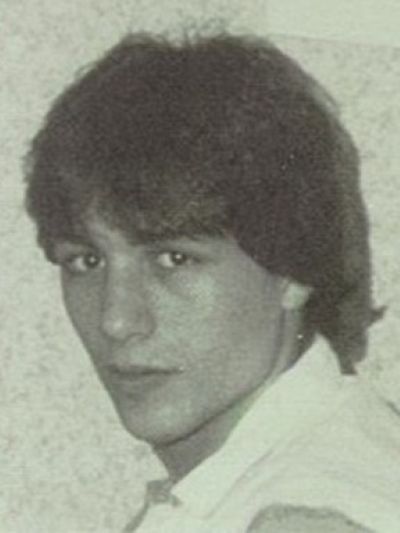
As an 18-year-old teenager, Rogan’s yearbook shows him sporting a full, thick head of hair, which he wore in a trendy mop top. However, the hairstyle covers up Joe’s hairline, making it difficult to determine whether he had a naturally high forehead or if there were any early signs of an uneven hairline.
The first signs of hair loss
By the time he was in his mid-20s, Joe had already started displaying visible signs of hair thinning, such as a receding hairline. He attempted to cover this by wearing his hair side-swept. Rogan recounts that he was losing his hair at an accelerated pace and Minoxidil did not suffice to hold this process back.
Joe Rogan’s hair transplants
Based on current hair loss management knowledge, Joe Rogan should have probably been advised to try non-surgical hair loss treatments before getting a hair transplant at 26. Controlling hair loss is much easier nowadays, with Finasteride proving a highly effective male pattern baldness treatment.
However, since Minoxidil hadn’t helped and other effective hair growth treatments, such as Finasteride, were not yet approved for hair loss at the time, Joe Rogan may have felt that waiting any longer to get a hair transplant might compromise his appearance and jeopardise his acting career. Thus, he had his first procedure around 1993, aged 26, followed by 2 more over the next couple of years.
Rogan does not mention whether the second and third hair transplants were meant to touch up the first procedure or had been previously planned for different areas on his scalp. However, given the fact he did not seem to have a bald spot on his crown, it is likely they were follow-up procedures meant to correct poor hair graft survival or underwhelming hair growth along his frontal hairline.
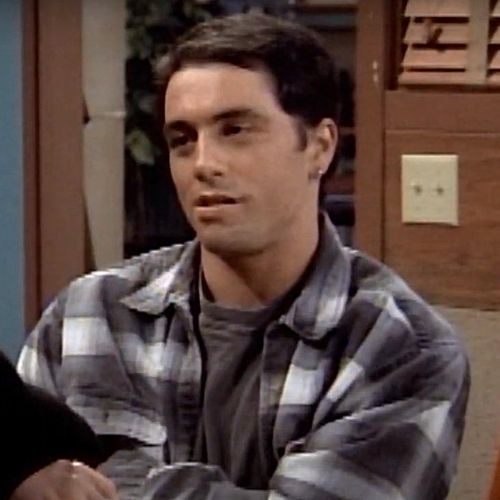
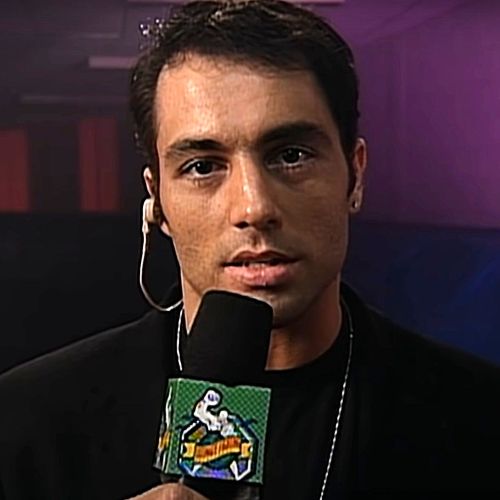
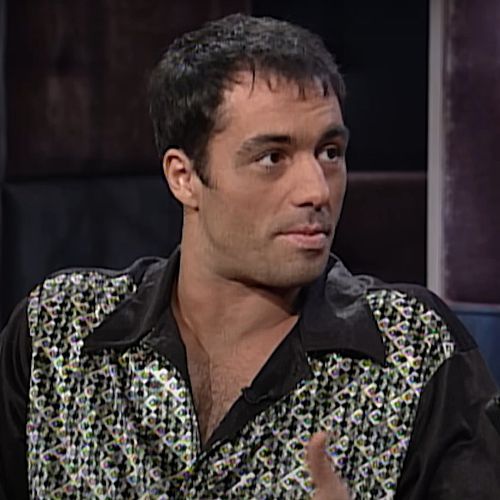
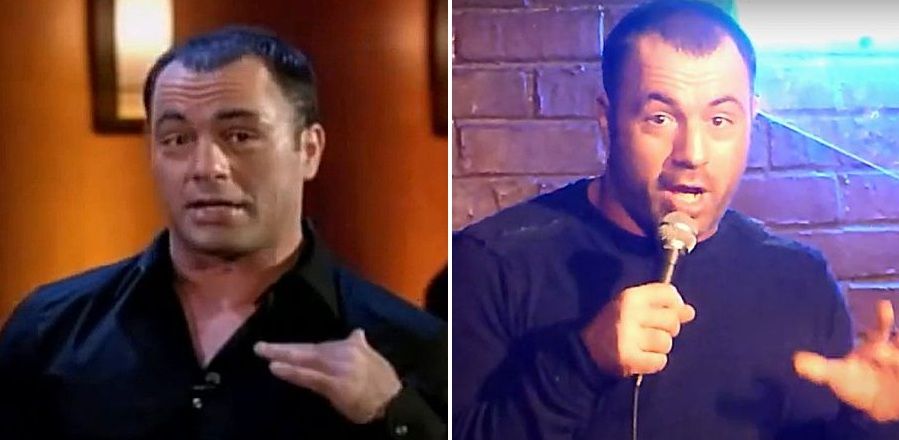
There are no photographs from around the time of his hair transplants, so it is difficult to assess the success of each surgery. However, these photos from ages 28 and, respectively, 30 show the actor with a substantial density across his scalp.
At age 28, Joe appears to still sport his side part, which shows he may have continued to be insecure about his hairline and hair fullness. However, outside of a higher forehead, there seems to be no indication of balding, and his frontal area appears fuller than before.
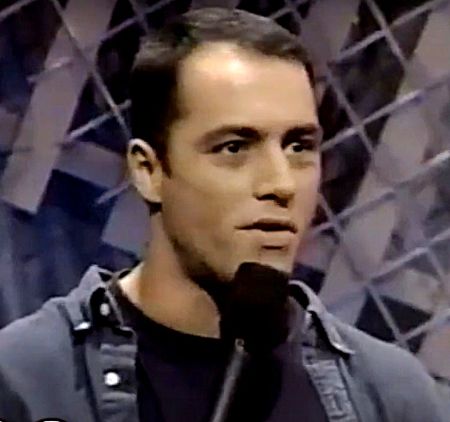
In 1997, 2 years after his final hair restoration surgery, Rogan’s hairline appeared fairly straight, albeit somewhat high. The hair transplant seems to have had natural-looking results. At least from the front, it looks practically undetectable.
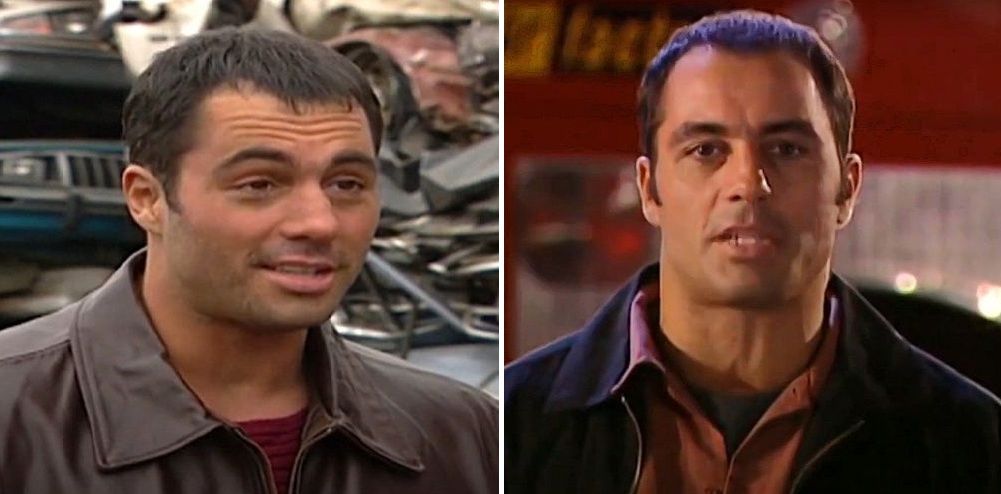
By 1998, Rogan starts showing signs of an uneven hairline once more, and he tries to cover this by wearing a short fringe (above). It appears that hair loss around his temples had progressed around his transplanted hair.
This becomes obvious when looking at the photo above from the same year, where the actor was wearing a short hairstyle that left his forehead uncovered. These images show a slightly more uneven hairline, demonstrating the progression of his temple hair recession.