


Medically reviewed by
Dr Ahmad Moussa (FRCS) — Updated on December 29, 2025
Dr Ahmad Moussa (FRCS) — Updated on December 29, 2025
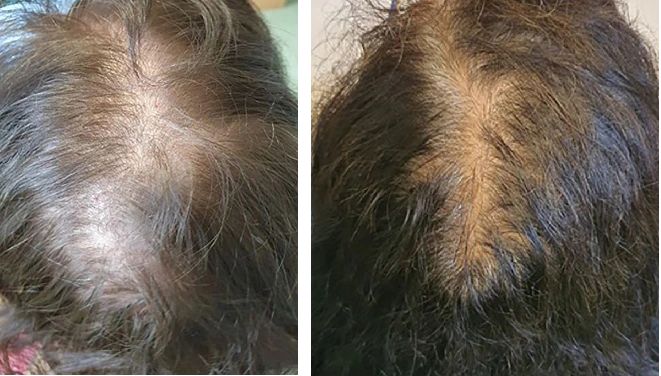
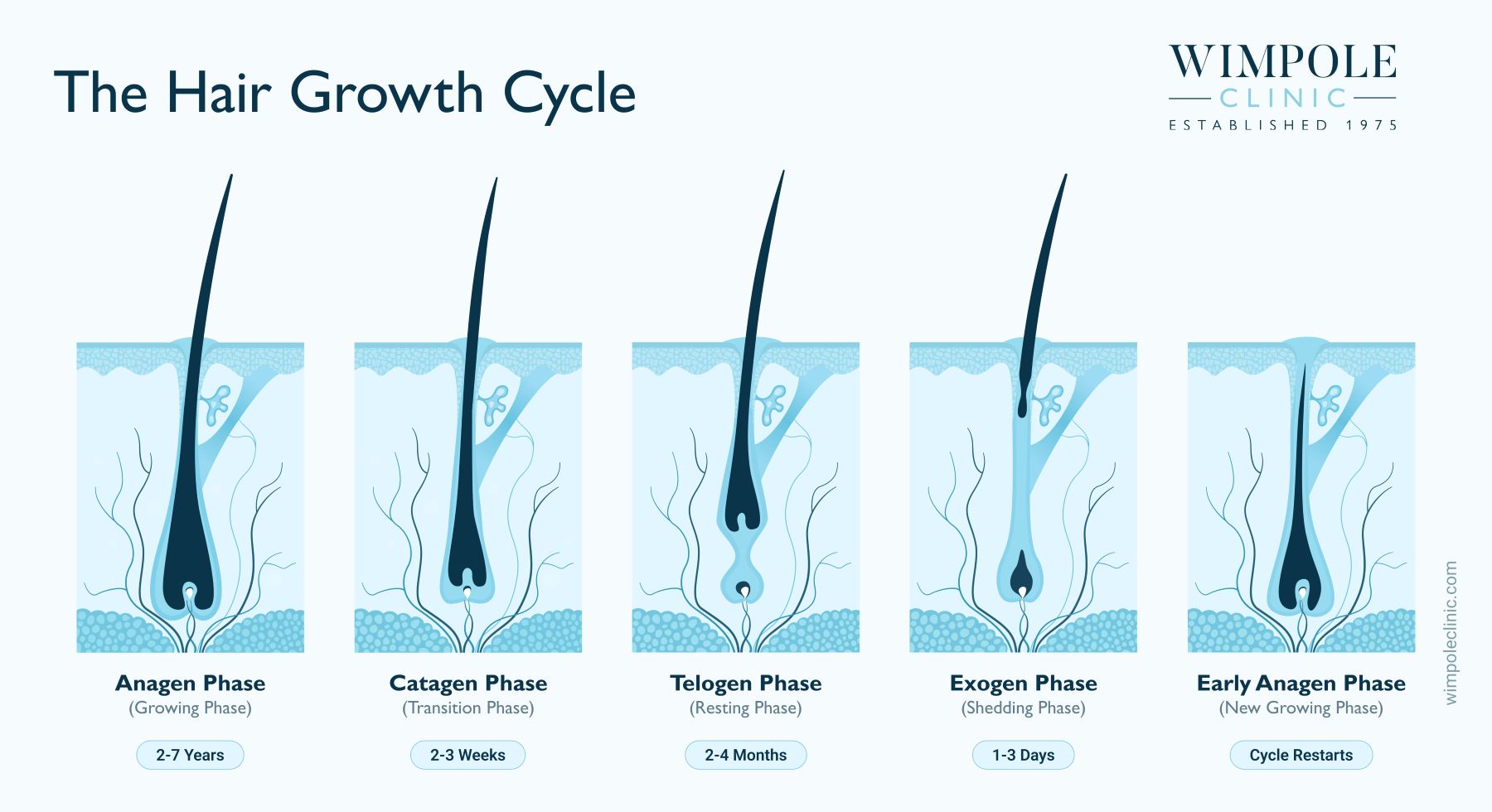

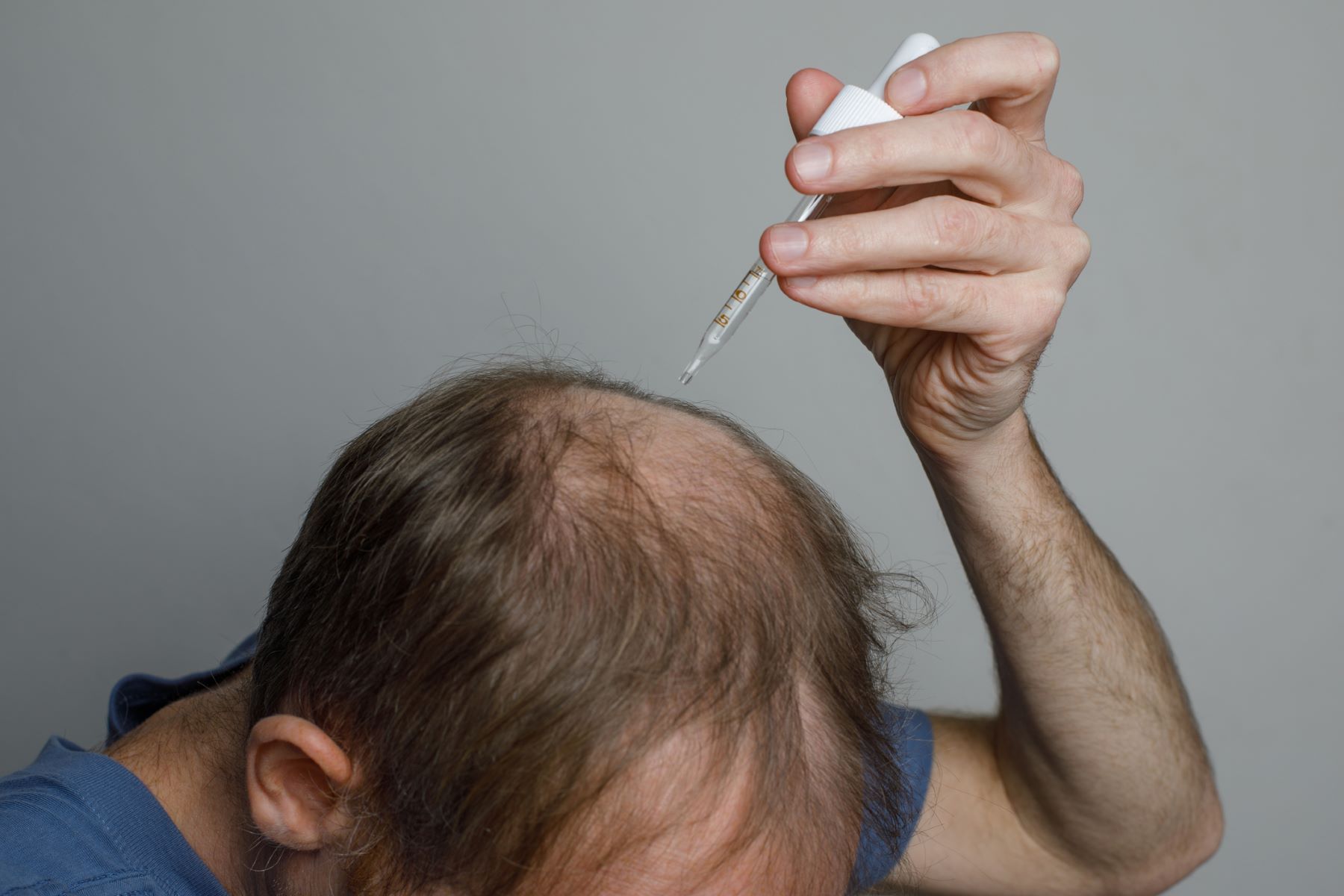
What to do if you’re experiencing hair shedding
While TE is temporary and reversible, any kind of hair loss can cause significant distress. If you see excessive amounts of hair shedding — either in the shower or on your pillow — it’s time to talk to a trichologist. They’ll be able to diagnose the cause of your hair loss and put you on the road to recovery.
The sooner you get your hair loss checked out, the sooner you can start the hair regrowth process — so book your hair loss consultation today to learn more about what you can do to help stimulate hair growth.


Medically reviewed by Dr Ahmad Moussa (FRCS)
— Updated on December 29, 2025
The Wimpole Clinic offers FUE Hair, Beard & Eyebrow Transplants & Trichology.
Talk to a specialist ☎ 020 7935 1861.
Talk to a specialist ☎ 020 7935 1861.
Medically reviewed by
Dr Ahmad Moussa (FRCS) — Updated on December 29, 2025
Dr Ahmad Moussa (FRCS) — Updated on December 29, 2025
Book Your Free Hair Transplant Consultation
Simply fill in your details and we’ll get in touch with you shortly.