


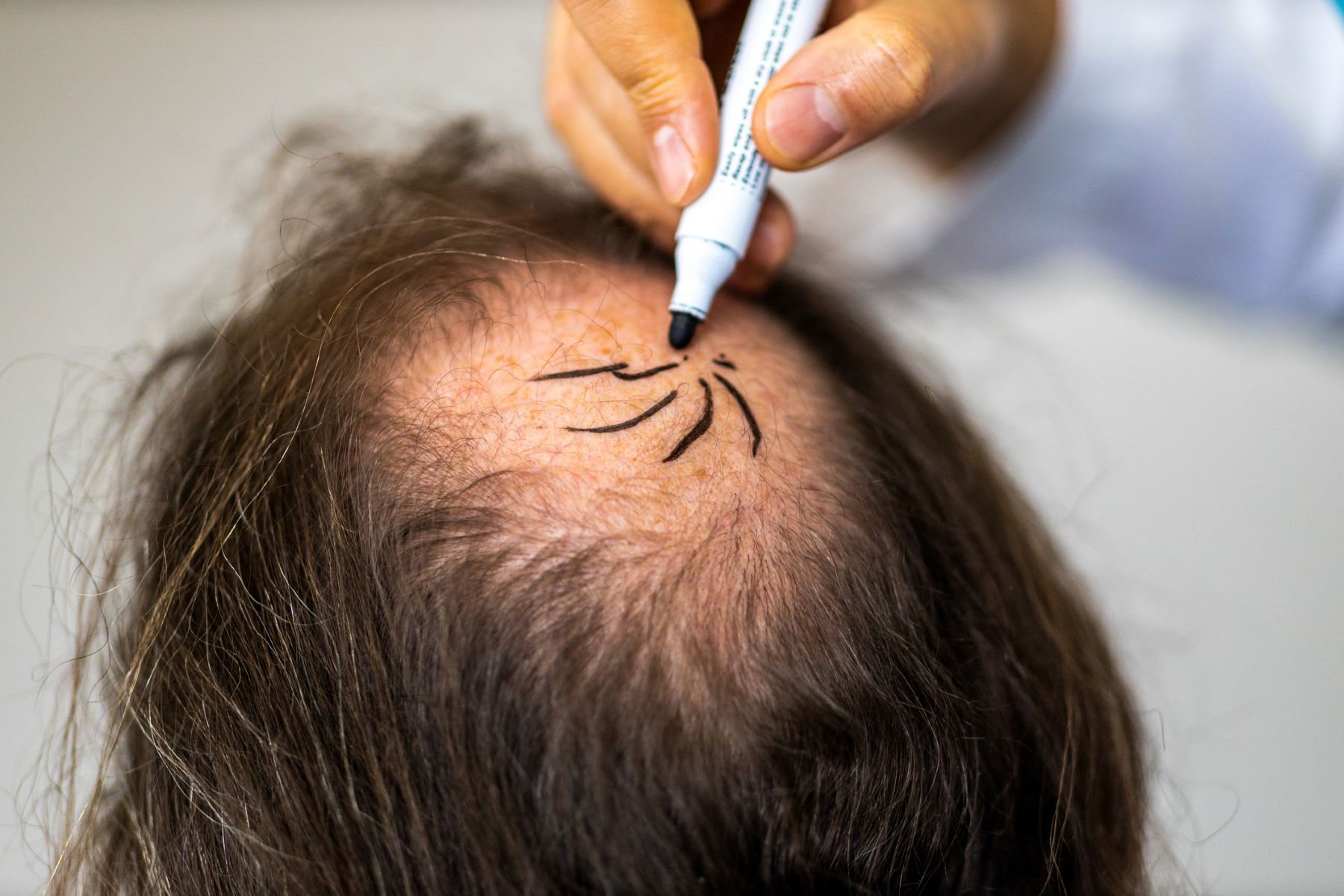

Do you need expert advice about your hair loss?
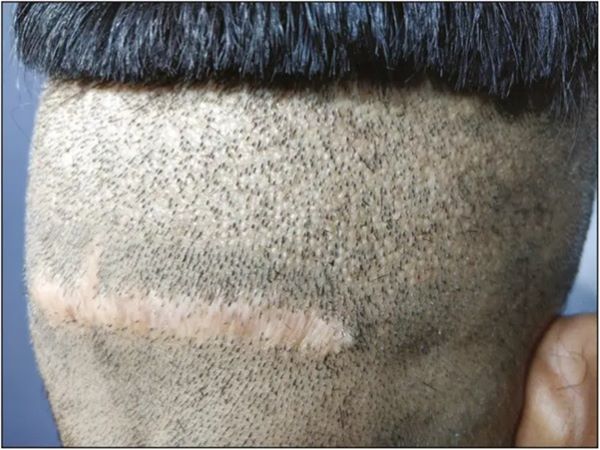
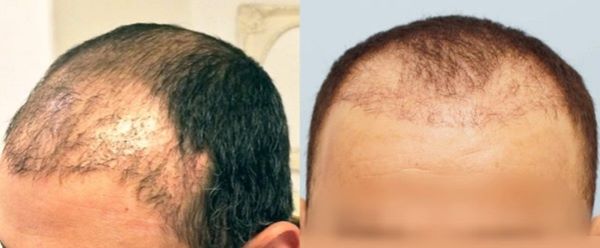
At the Wimpole Clinic, we specialise in trichology (the study and practice of cosmetic procedures for the hair and scalp) and offer a number of highly effective treatments to overcome bad hair transplants.
We use Follicular Unit Transplant (FUT) or Follicular Unit Extraction (FUE) to correct poorly performed hair transplants. These surgical procedures require a great deal of skill from the surgeon, so choosing an experienced and reputable clinic is key to a successful hair transplant.
To find out how we can help you fix your bad hair transplant, book a free no-obligation consultation with our trichology team.


The Wimpole Clinic offers FUE Hair, Beard & Eyebrow Transplants & Trichology.
Talk to a specialist ☎ 020 7935 1861.
Talk to a specialist ☎ 020 7935 1861.
Book Your Free Hair Transplant Consultation
Simply fill in your details and we’ll get in touch with you shortly.