

 Hair Transplant Into Scar Tissue: Does It Work?


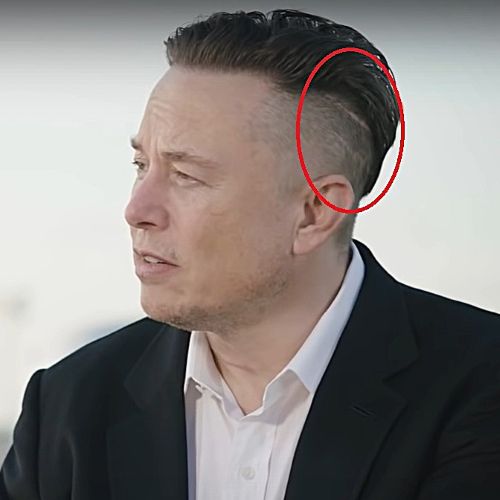
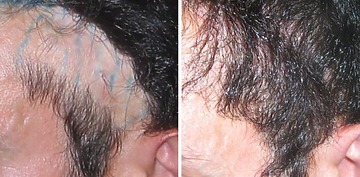
Hair transplantation into scars: a permanent, natural-looking way to hide scalp scars
Hair restoration surgery is a successful way to disguise scars on your face and scalp if they’re performed by a skilled hair transplant surgeon. If you choose a black market hair transplant in Turkey or elsewhere, you could end up with more scarring. Almost all ISHRS surgeons report that a quarter of their patients are looking for repairs after a hair transplant that’s gone wrong at a black market clinic [13].
Choosing a Harley Street hair transplant clinic ensures you’re working with the best hair transplant surgeons in the UK. At the Wimpole Clinic, we have more than 50 years of experience providing fantastic FUE and FUT procedures including hair transplants on scarred skin.
Explore our clinic, then book a free consultation to see how we can help you:
- Hair transplant success rates of 97-100%
- Before and after hair transplant gallery
- Hair transplant clinic reviews.

The Wimpole Clinic offers FUE Hair, Beard & Eyebrow Transplants & Trichology.
Talk to a specialist ☎ 020 7935 1861.
Talk to a specialist ☎ 020 7935 1861.
Book Your Free Hair Transplant Consultation
Simply fill in your details and we’ll get in touch with you shortly.