


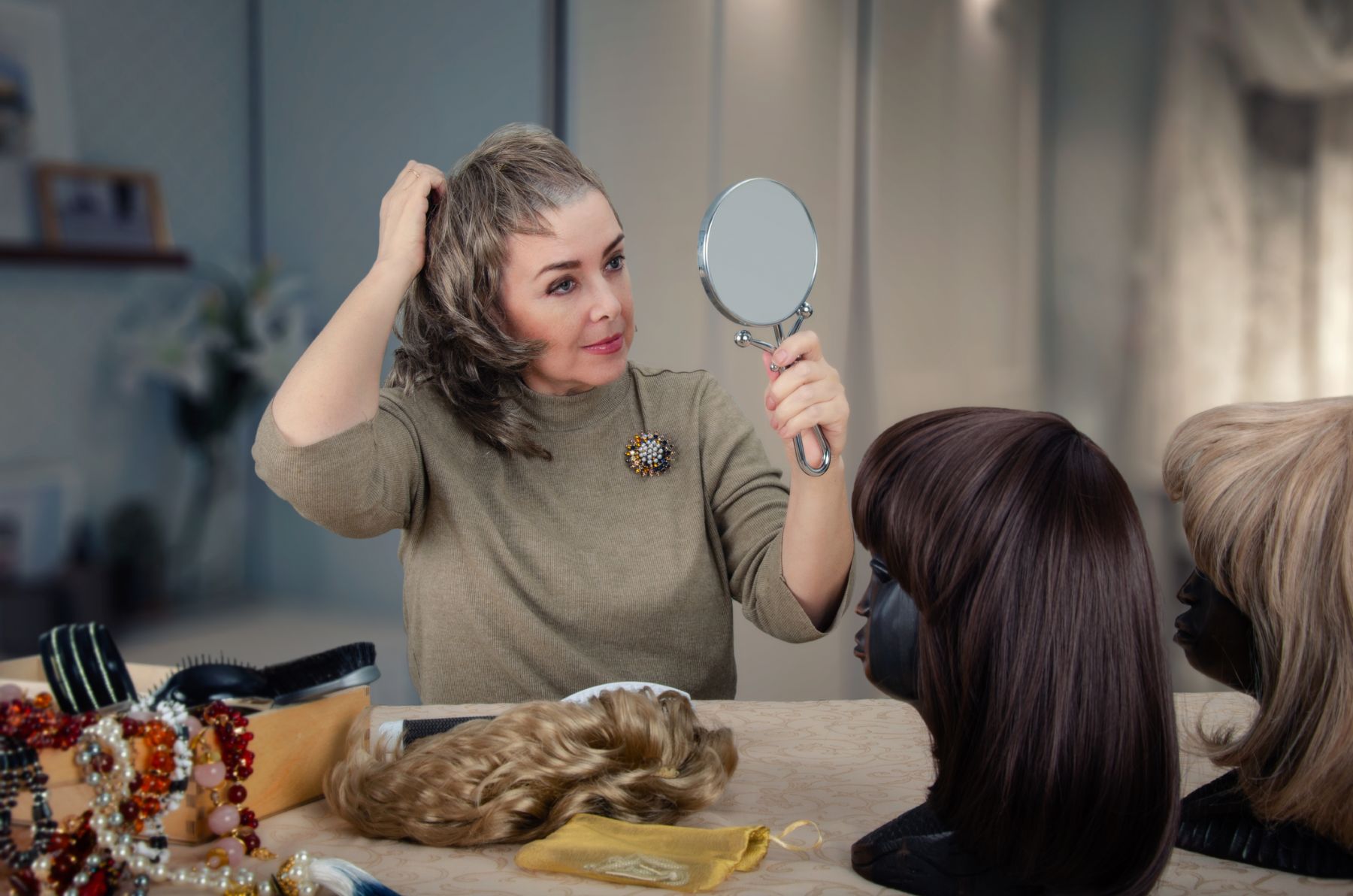
Women have multiple hair replacement options, ranging from temporary wigs and extensions to semi-permanent hair systems and permanent hair transplants. Each method varies in cost, longevity, and suitability depending on the cause of hair loss.
Here, you’ll find out all the major hair replacement options for women, including their benefits, limitations, and who they’re most suitable for.
Experiencing female hair loss and looking for a way to restore or replace your hair? In this extensive Wimpole Clinic guide, we’ll walk you through every major hair replacement method, explaining how each works, what results to expect, and who each option suits. Get clarity on permanent and non-surgical solutions, pros and cons, costs, and expert advice, so you can confidently choose the most effective treatment for your hair loss.
Key takeaways
- Hair replacement options include temporary, semi-permanent, and permanent solutions such as wigs, hair systems, medical therapies, and hair transplants.
- Unlike other female hair replacement options, hair transplants offer permanent regrowth. But they also have higher upfront costs and aren’t suitable for all diagnoses.
- Semi-permanent systems (hair systems and integration systems) give instant results but require maintenance and may worsen hair loss. Additionally, the costs add up over time.
- Medical therapies treat underlying causes but require ongoing use and deliver gradual results.
- The best female hair replacement option depends on your budget, diagnosis, and goals. So professional assessment is essential before choosing treatment.

What are the hair replacement options for women?
From non-surgical medical therapies to permanent hair restoration, women’s hair replacement options are available to suit all budgets and preferences. It’s just a matter of knowing which types of female hair replacement are available — and suitable — for you.
This comparative table shows all the major options for hair replacement for women at a glance:
| Type of hair replacement | How it works | Expected results | How long results last |
| Hair transplant | Hair grafts are surgically transplanted from one area of the scalp to another, leading to long-term hair growth. | Permanent, complete hair replacement (depending on extent of hair loss) | Permanent |
| Hair system | A semi-permanent wig is glued to the scalp. It can be worn in the rain and washed in the shower. | Semi-permanent total coverage | Around 6-9 months |
| Wigs and hair toppers | Temporary hairpieces worn over the top of the existing hair. | Temporary increase in hair length and volume | A few hours |
| Hair integration systems | A mesh cap sits on the scalp, and existing hair is pulled through the mesh. Additional hair is woven into the system to create fullness. | Semi-permanent total coverage | Up to 1 year |
| Extensions and weaves | Hair is sewn, threaded, or otherwise attached to existing hair, adding length and volume. | Temporary increase in hair length and volume | A few days |
| Medical therapies | Oral or topical medications help treat the underlying cause of hair loss, leading to regrowth. | Variable (depends on treatment used and patient response) | As long as the therapy is used |
| Scalp micropigmentation | A type of scalp tattoo that resembles stubble. Can create the appearance of a shaved head or additional density. | Illusion of increased hair density | Permanent |
Here, you’ll learn all about each type of hair replacement for women, including its effectiveness, pros, and cons, so you can decide which approach is right for you.
Female hair transplants
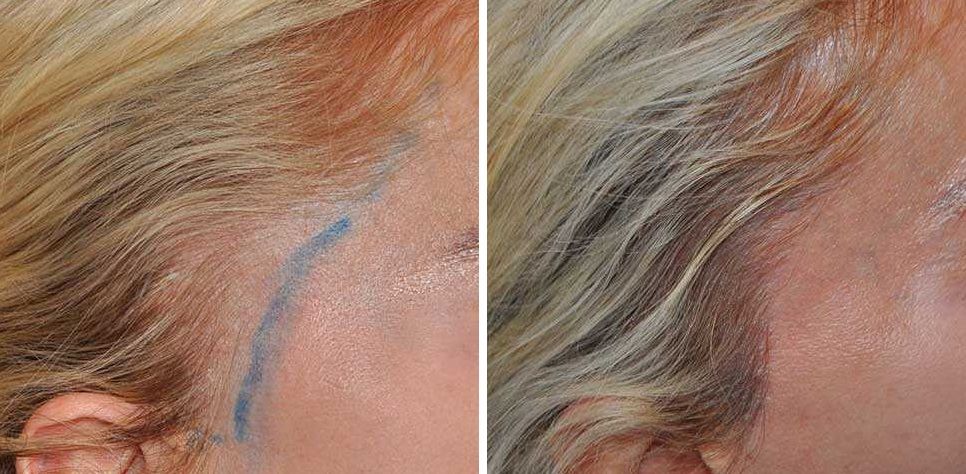
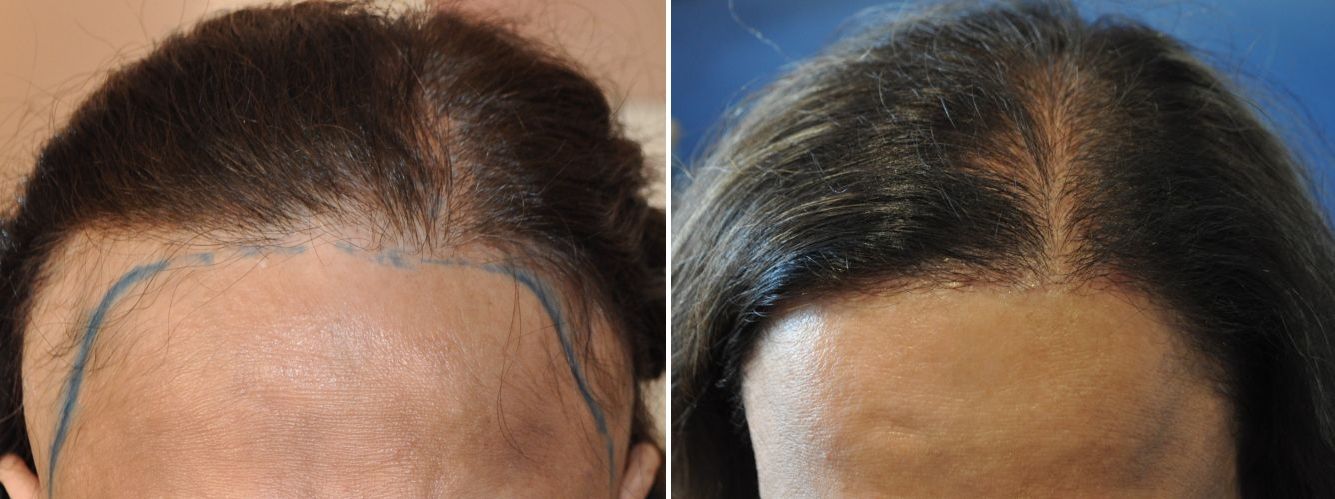
FUE and FUT hair transplants are the only types of hair replacement that offer renewed permanent hair growth. While the initial cost is higher than for other options, the results last much longer and look the most natural.
More than 15% of hair transplant patients are women, and the proportion is on the rise [1]. Provided you choose a reputable clinic with a strong track record of getting results for women, a female hair transplant can rebuild your confidence by restoring a full head of thick, healthy hair.
| Pros of surgical hair replacement for women | Cons of surgical hair replacement for women |
|
|
Female hair systems
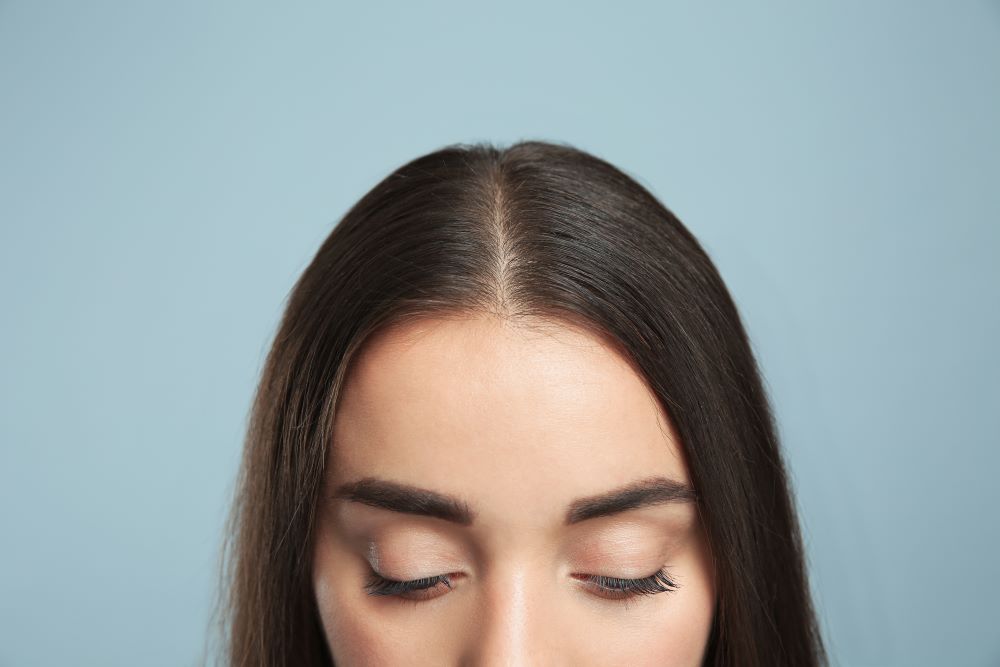
A hair system is a hairpiece that can be attached to the scalp using a strong, long-lasting glue or tape. Most of your existing hair is shaved off, creating a large area to adhere the hairpiece to the scalp.
Hair systems aren’t permanent, but they can give you instant results that last longer than a wig or hair extensions. You can also wear them in the shower, in the rain, or even when swimming (although there is a small risk of it coming unstuck).
Hair systems have been linked with worsening hair loss in some cases, so it’s important to be aware of the risks [2]. This video shows the process of applying a female hair system:
| Pros of hair systems for women | Cons of hair systems for women |
|
|
Wigs and hair toppers
A wig or hair topper is a temporary hair replacement option. The hairpiece fits over the scalp and uses an elasticated band or adjustable straps to stay in place. Many wigs are made from human hair, so they look and feel natural.
Wigs and hair toppers for women come in an array of colours and styles, so you can easily chop and change your hairstyle when you opt for a wig or hair topper. But if you want a more permanent solution, a wig isn’t your best bet. They can come off fairly easily, and may be noticeable to others.

| Pros of wigs for women | Cons of wigs for women |
|
|
Hair integration system
A hair integration system is similar to a hair replacement system, except that it’s not necessary to shave your head to apply it. In fact, hair integration systems make use of your existing hair.
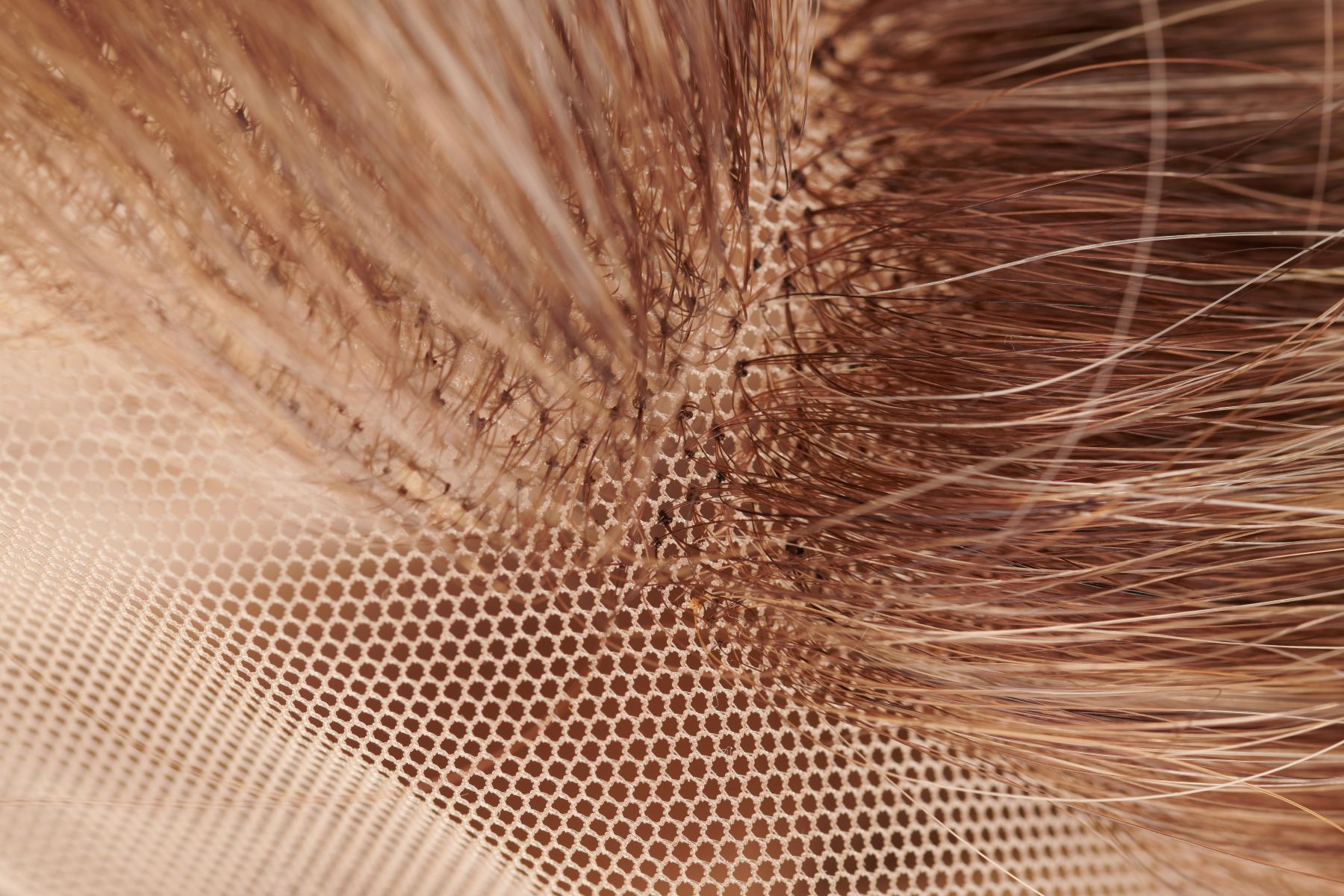
Here’s how it works: the base of the system is made of mesh, which is placed over your head. Your existing hair is pulled gently through the mesh so it’s visible. Fake hair is then added to the system, filling in your thinning areas to create the illusion of fuller, thicker hair.
Here’s a close-up image of how a hair integration system works to hide female hair thinning:
| Pros of women’s hair integration systems | Cons of women’s hair integration systems |
|
|
Extensions and weaves
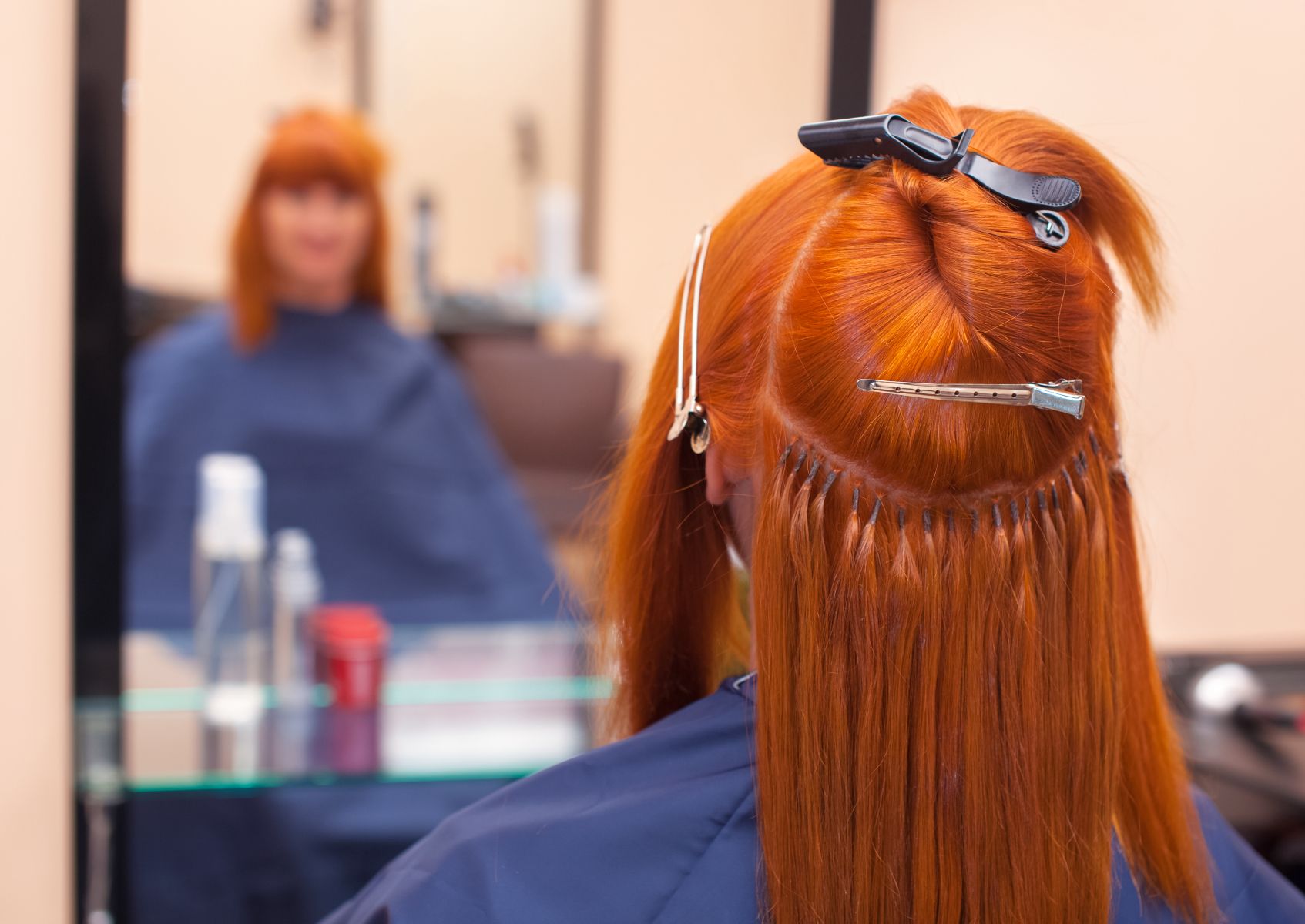
Hair extensions and weaves are hairpieces that are attached near the root of the existing hair, adding volume and length. Hair extensions can be clipped, sewn, taped, or bonded to your hair, offering a variety of temporary hair enhancement options. Some attachment methods last longer than others.
Unfortunately hair extensions are linked to hair loss, as the weight and tension of the hairpieces can damage the hair follicles, resulting in traction alopecia. So while they can give you temporary results, they can also make matters worse in the long run [3].
| Pros of hair extensions | Cons of hair extensions |
|
|
Medical therapies for women’s hair loss
Certain types of alopecia can be treated with medication. Minoxidil is a popular hair loss treatment for women; it’s a topical solution that should be applied to the scalp twice a day, and can be used to treat female pattern baldness, stress-related hair loss, and alopecia areata.
Spironolactone, corticosteroids, and platelet-rich plasma hair therapy can also be used to treat specific types of hair loss. Speak to your GP or a qualified trichologist about which treatments are suitable for you.

| Pros of medical hair therapy for women | Cons of medical hair therapy for women |
|
|

Scalp micropigmentation (SMP)
Scalp micropigmentation is a minimally invasive procedure that involves tattooing small pigmented dots on your scalp to resemble dark hair growth. While it’s more often used by men to create the appearance of a full buzzcut, some women opt for SMP for the same reason, or to create the illusion of density beneath their existing hair.
SMP can make your hair look thicker around the scalp by decreasing the contrast between your hair and skin, but it won’t actually treat hair loss or improve hair thickness.

| Pros of scalp micropigmentation for women | Cons of scalp micropigmentation for women |
|
|
What’s the best hair replacement option for women?
The best option for your hair replacement depends on your overall goal. If you’re looking for permanent hair regrowth to treat permanent hair loss, a hair transplant is the most effective type of female hair replacement. While the initial costs are higher than other options, you’ll get lifelong results that emulate your natural hairline.
Hair transplants aren’t always the right option, whether it’s due to budget constraints or an unsuitable diagnosis. Here are the best hair replacement options for women in different scenarios:
- Best permanent hair replacement for women: Hair transplant
- Best hair replacement for women on a budget: Hair integration system
- Best hair replacement for instant results: Hair integration system or hair system
- Best hair replacement for women with female pattern baldness: Hair transplant
- Best hair replacement for women with alopecia areata: Hair system and medical therapy
- Best non-surgical hair replacement for women: Hair system and medical therapy
- Best hair replacement for women with telogen effluvium: Medical therapy
- Best hair replacement for female chemotherapy patients: Wig/hair topper
Female hair loss can be highly complex, with several different causes leading to chronic or temporary hair loss. So it’s important to get a diagnosis before choosing an expensive or unsuitable type of hair replacement. Speak to your GP or book a consultation at a specialist clinic for diagnosing and treating female hair loss.
Are hair replacement systems safe for the scalp?
Many hair systems won’t cause long-term scalp problems, as long as they’re installed properly (with non-toxic, skin-safe adhesives) and cleaned and replaced regularly. To keep your scalp healthy, it’s best to remove your hair system and wash your scalp thoroughly at least once a week.
How long do hair replacement systems last?
You may be able to use the same hair replacement system for 6 months or possibly even longer, depending on how well you care for the hair unit. However, it needs to be removed, cleaned, and replaced much more frequently (ideally no less than once a week).
Do hair systems damage natural hair?
Applying a hair system involves shaving your hair down to the scalp, creating a large area for the hair unit to adhere to. So your natural hair shouldn’t come into contact with the hair system until it starts to regrow. When regrowth starts, you’ll need to shave your hair back down to reattach the hair unit.
Hair systems have been associated with hair loss [2]. Some researchers have attributed this to traction alopecia, a type of hair loss that occurs due to excessive or prolonged tension on the hair follicles [4]. The glue or tape used to attach hair systems to the scalp can tug on the follicles, leading to temporary hair loss. So it’s important to give your follicles a chance to recover when possible.

How to colour match a female hair system
A hair system covers the majority of your scalp, but parts of your natural hair may still be visible, especially around the ears and neck. So your hair system should blend seamlessly into your existing hair. That’s why colour matching is important.
Here’s how you can colour match a female hair system to ensure it looks natural:
- Leave it to a professional — Specialist hair system fitters can find and recommend a unit that will blend with your natural hair.
- Send samples to your preferred supplier — Some online hair system suppliers will colour match your hair unit if you send them a sample of your hair. Snip or shave 2-3 small sections of hair from different areas on your head and send them to your supplier to get an accurate colour match.
- Order a swatch from your preferred supplier — If you’re buying your hair system online, ask the supplier for a swatch. You can then match this to your actual hair colour. (Don’t rely on on-screen colours, as different screens can present variations in colour.)
- Order a lighter shade and get it dyed — If you colour your hair, you may want a unit that matches your dyed hair. In this case, consider ordering a hair unit in a lighter shade that your salon or fitter can dye to your preferred colour.
- Consider your greys — Many hair units come with a percentage of grey hairs, allowing for a more natural appearance as you get older. Examine your hair for greys and choose the appropriate grey percentage when ordering.
- Choose a hair system made from human hair — Human hair systems have natural nuance and texture that isn’t always present in synthetic hair, which can make colour matching easier.
How much does hair replacement for women cost?
The cost of hair replacement depends on which method you choose. See the table below for approximate costs of hair replacement for women:
| Hair replacement type | UK Cost |
| Hair transplant (1500 grafts) | £2,000 to £15,000 [5] |
| Hair systems, wigs, and hair integration systems | £500 to £4,000* |
| Extensions | £20 to £600* |
| Medical therapy | £15 to £500 per subscription or session |
| Scalp micropigmentation | £500 to £1,500 |
*Price varies depending on quality, thickness, durability, and other factors.
Temporary options like wigs and extensions tend to cost less, while permanent hair restoration is the most expensive option. Hair transplants require some upfront investment, but in some cases this is a one-off cost. Other women may need to supplement their treatment with minoxidil or other medical therapies.
Semi-permanent types of female hair replacement (such as hair systems and hair integration systems) can still cost thousands, especially when you add up the total cost of maintenance over several years. Minimally invasive procedures like SMP and PRP hair treatment cost hundreds of pounds per session.
Am I a candidate for female hair replacement surgery?
FUE and FUT hair restoration surgery are increasingly popular among women. But they’re not suitable for everyone. Hair transplant surgery is normally only recommended if you have permanent irreversible hair loss, such as shedding caused by female pattern hair loss or some types of scarring alopecia.
Dr Ahmad Moussa, an experienced hair transplant surgeon at the Wimpole Clinic, discusses some of the reasons you might not be eligible for a hair transplant:
“With hair transplants, we are limited by the supply of hair that we’ve got and we are limited by the condition that the skin may be in. So for some patients, a hair transplant would be futile, it would not work. There are other things they can do, wigs and hair systems. Some people do scalp micropigmentation. So, there are options for them, but it wouldn’t be a hair transplant.”
Watch the full interview with Dr Moussa and trichologist Marie Royce Book here:
Find out if you’re eligible for a hair transplant at your nearest Wimpole Clinic location. We’ll examine your hair and scalp and ask some questions about your overall health and lifestyle to unearth the cause of your hair loss. We can then discuss potential treatments and female hair replacement options that may work for you.
Explore female hair replacement at the Wimpole Clinic
Female hair loss can be alarming and anxiety-inducing, so we know how important it is to tackle and replace lost hair. We also know that while hair transplantation can play a big role in hair restoration, not all patients are suitable for surgery, and others want to consider slightly less invasive options.
So despite our reputation as an award-winning hair transplant clinic, we don’t just focus on surgical options for female patients. From minoxidil to PRP therapy to SMP, we offer many different treatments and hair replacement services to tackle even the most complex cases of hair loss. Book a consultation at your nearest clinic to find out more.



FAQs
Learn more about hair replacement for women in these frequently asked questions.
How long do hair transplants last for women?
Hair transplants are permanent, so they can give you lifelong results. Native hair loss may continue if left untreated, which can compromise the overall look of your hair, so supplementary medical therapies may also be advised to keep your native hair intact.
Can women with alopecia use hair replacement systems?
Yes. Hair replacement systems are designed to hide hair loss. With a mesh hair integration system, you can usually keep your remaining hair intact, but you may need to shave your head if you opt for a full hair system. This may not be necessary if you are completely bald due to your alopecia.
Can you swim or exercise with a hair replacement system?
Yes, but you’re normally advised to wait at least one or two days after a fresh hair system application before swimming or sweating. This allows the adhesive to fully attach to your scalp. Sweat and water can interfere with the adhesive, potentially causing your hair system to lift and detach.
Are human hair systems better than synthetic ones?
Human hair systems offer some advantages over synthetic hair units. For example, the texture and colour of a human hair system tends to be more natural and realistic, and the fibres can hold dye or bleach in the same way as natural human hair.
- International Society of Hair Restoration Surgery. (2025, May). 2025 ISHRS practice census results (Report). International Society of Hair Restoration Surgery. https://ishrs.org/wp-content/uploads/2025/05/report-2025-ishrs-practice-census_05-12-25-final.pdf.
- Gil-Redondo, R., Hermosa-Gelbard, A., Saceda-Corralo, D., Pindado-Ortega, C., Porriño-Bustamante, M. L., Jiménez-Cauhé, J., & Vañó-Galván, S. (2024). Is it traction or pressure? Case series of hair system-induced alopecia in six patients. Journal of the European Academy of Dermatology and Venereology : JEADV, 38(9), e775–e778. https://doi.org/10.1111/jdv.19888.
- Yang, A., Iorizzo, M., Vincenzi, C., & Tosti, A. (2009). Hair extensions: a concerning cause of hair disorders. The British journal of dermatology, 160(1), 207–209. https://doi.org/10.1111/j.1365-2133.2008.08924.x.
- Billero, V., & Miteva, M. (2018). Traction alopecia: the root of the problem. Clinical, cosmetic and investigational dermatology, 11, 149–159. https://doi.org/10.2147/CCID.S137296.
- Wimpole Clinic. (n.d.). UK hair transplant cost 2026: Average price & cost per graft. https://vital-male.news/blog/hair-transplant-cost-uk-analysis/%3C/a%3E.%C2%A0%3C/li%3E%3C/ol%3E


