How can you tell your hair is dead?
There are two main ways to tell that your hair is dead: by the way it looks and by the way it feels. Here is what you need to keep an eye out for.
What does dead hair look like?
Dead hair looks extremely damaged. Your hair may be dead if you can see the following signs:
- Flat and lifeless
- Dull and lacklustre
- A fried, unruly, or frizzy appearance
- Visible split ends
- Hair ends that look jagged, broken, or uneven
Truly dead hair is irreparable and will need to be cut to restore it. However, damaged hair may still be salvageable. Certain treatments can moisturise hair and flatten the cuticle, making it appear smoother and more hydrated. A hair doctor is the best person to assess your hair and make the necessary recommendations for restoring it.
What does dead hair feel like?
Appearance is not the only way to know your hair is heavily damaged. Here is what dead hair feels like:
What causes dead hair?
Occasional use of harmful styling practices may cause some damage to your tresses, but normally not enough to leave you with dead hair. However, frequently engaging in one or more of the following habits can “kill” your hair over time:
Heat styling
You may have heard that regularly curling or straightening your hair using heat-based appliances can fry it [2]. However, it is a lesser-known fact that blow-drying your hair on a high-heat setting can also cause damage and increase hair breakage [2].
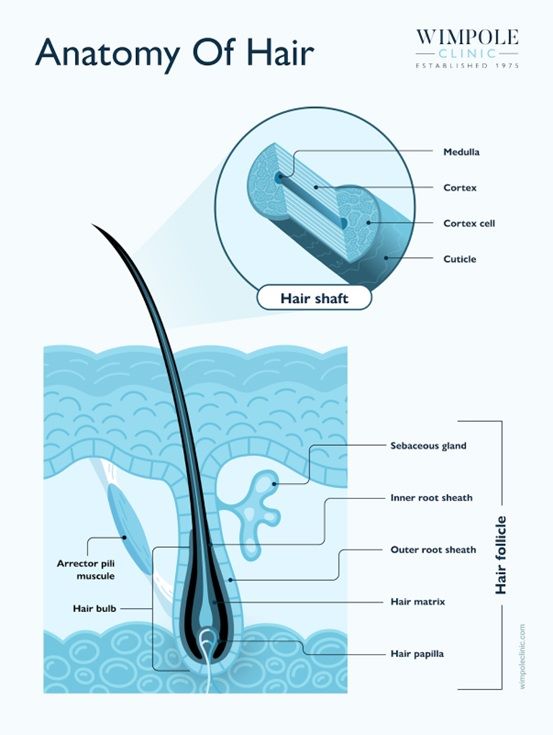
Exposure to intense heat can cause air bubbles to form within the hair shaft, making it more brittle [3]. It is notoriously difficult to fix heat-damaged hair, so it is best to avoid heat-styling whenever possible.
Using hair products with harsh chemicals
Frequent use of bleach and hair dye can cause hair loss and damage [4], as they contain harmful substances like ammonia and hydrogen peroxide.
Chemical cosmetic treatments such as hair relaxing or perms can also hurt your hair by causing cuticle damage and increased porosity [5]. Even shampoos can be rough on your hair if they contain harsh chemicals such as sodium lauryl sulphate or parabens.
Exposing your hair to the hot sun
While it can feel warm and pleasant, direct exposure to sunlight is not good for your hair. Heat and UV radiation can dry out your hair, making it brittle and lifeless and causing preventable hair shedding.
Since it’s not easy to apply sunblock to your scalp unless you have significant bald spots, you also risk getting sunburns in uncovered areas (e.g. your hair parting or thinning spots). This can damage the sensitive skin on your head.
Nutritional deficiencies
Your diet needs to include a variety of minerals and vitamins for hair growth. If you are not eating enough of a certain nutrient, or you have a condition that prevents you from absorbing it, you can develop a nutritional deficiency.
Some mineral or vitamin deficiencies can cause hair loss, as well as changes in the way your hair looks and feels [6]. One good example is iron deficiency anaemia which can affect your hair texture [7], in some cases irreversibly.
Improper hair grooming practices
Aggressive brushing, towel-drying, and careless hair tie removal can cause split ends and hair breakage. This can give your hair a frizzy, uneven appearance. While you can get rid of split ends by trimming them regularly, this will not help if your strands are split higher up, due to persistent mechanical damage.
How to prevent dead hair
Prevention is key when your hair health is on the line. Here are some of the most helpful things you can do to keep dead hair at bay:
- Always use hair conditioner – Conditioning your hair after each wash hydrates it and flattens its cuticles, making your tresses shinier, smoother and easier to detangle.
- Keep your hair moisturised – Using essential oils for hair growth can keep hair shiny, soft and strong. Some hair growth oils may also help reduce hair thinning.
- Use no-heat styling techniques – Replacing heat styling with traditional techniques, such as no-heat hair curlers or letting your hair air dry can keep it in good health.
- Use natural hair dyes – If you enjoy dyeing your hair, try replacing chemical dyes with natural alternatives, such as henna. Alternatively, find options with hair-friendly ingredients.
- Cover your hair when out and about – Wearing a hat or even a light scarf can protect your hair from the sun, preventing it from drying out.
- Wash your hair frequently – Research shows that people who wash their hair 5-6 times a week experience less hair loss, less dandruff and have overall stronger hair than those who do so less frequently [8].
- Eat a well-balanced diet – A healthy diet for hair includes vitamins B, C, D and E, minerals such as iron, zinc, or magnesium and protein. Eating a variety of nourishing foods from all recommended major groups helps grow strong, beautiful hair.
The prevention methods described above are general guidelines for maintaining healthy hair. However, each person has their own genes, physiology and lifestyle that influence their hair condition and the proper ways to care for it. A trichologist can offer personalised advice that works specifically for your hair needs and preferences.
How to treat dead hair
In most cases, you cannot nurse dead hair back to full health. The best thing you can do is to get a short haircut and allow your hair to grow back, taking good care of it while it grows.
However, in some cases, if the hair is not fully dead, it may respond to a thorough scalp and hair detox, followed by a personalised hair care routine. A trichologist can examine the extent of the damage and recommend the best way to get healthy hair, provided it can still be saved.
If your hair is not yet dead, but is showing signs of wear and tear, be sure to check out the best ways to treat and repair damaged hair at home.
Why do dead hair follicles occur?
Dead hair follicles are damaged to the point where they can no longer produce hair. Normally this is the result of a type of alopecia. Here are some of the main causes of dead follicles.
Physical or chemical damage to the scalp
If you cut, injure, or burn your scalp badly, the hair follicles in the affected area can be destroyed and scar tissue can form over them. If this happens, there is no non-surgical way of restoring hair growth. A hair transplant into scar tissue is the only viable way to get the damaged area of your scalp to start growing hair once more. However, this is not an option for all patients, as not all scars can be transplanted into. Some lack adequate blood supply to nourish the grafts.
Scarring alopecia
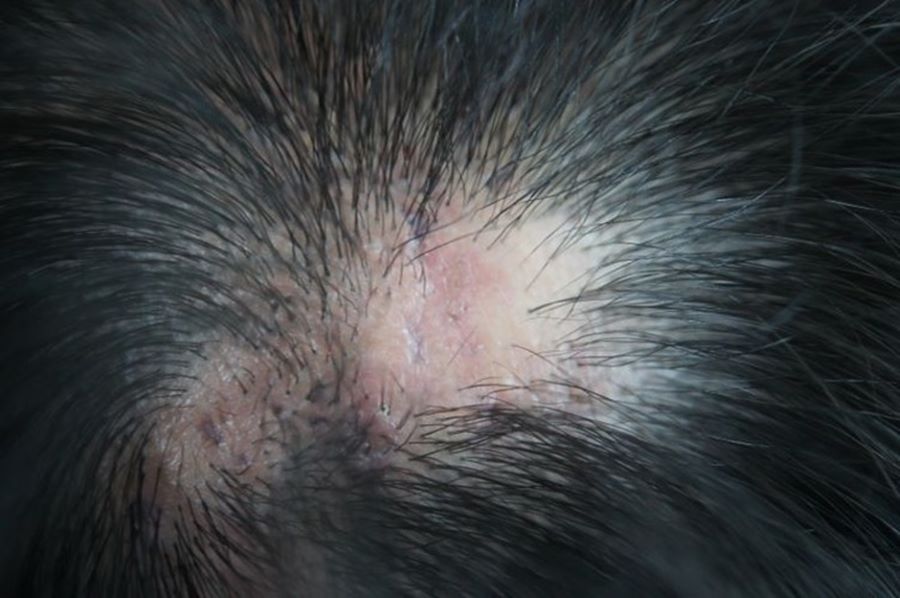
This type of hair loss, also known as cicatricial alopecia, is less common than the non-scarring variety but can be more difficult to treat. It encompasses several conditions which destroy hair follicles, such as [9]:
Scarring alopecia is difficult to reverse, as dead hair follicles cannot be repaired. While in some cases, treatment can improve symptoms, it often focuses on preventing the spread of these conditions. Treatments for scarring alopecias include steroid creams for hair loss, JAK inhibitors and intralesional steroid injections.
Androgenetic alopecia
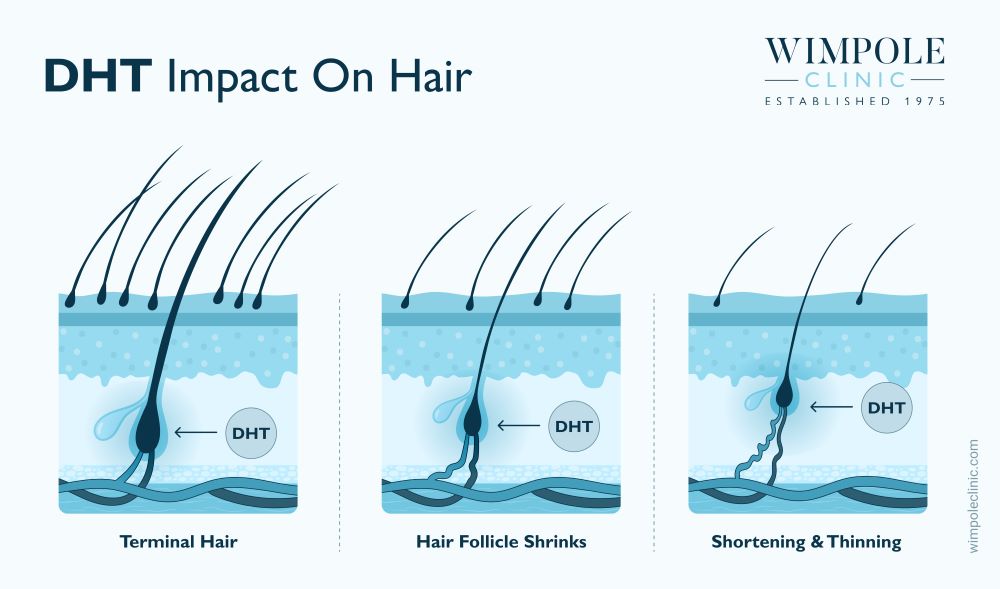
Also known as male pattern baldness (or female pattern baldness), this condition is the most common cause of hair loss, affecting over 80% of men [10] and around half of women [11] to some degree during their lifetime. It occurs when your body produces too much of a male sex hormone called dihydrotestosterone (DHT), or if your hair follicles are particularly sensitive to DHT.
DHT binds to androgen receptors on your hair follicles [10]. This causes the follicles to shrink, initially producing shorter, finer vellus hairs, until they become unable to produce new hair at all.
Milder forms of androgenetic alopecia, where vellus hairs are still present, can be controlled and reversed with medication or hair growth therapies like Minoxidil and Finasteride. However, if the condition has advanced to the point of hair follicle death, non-surgical hair restoration treatments will no longer be effective.
What do dead hair follicles look like?
Hair follicles are below the skin, so you cannot see them when looking at your scalp. When they are healthy, you can see the hair they produce. However, when they are no longer able to produce hair, there is nothing left to see above the scalp.
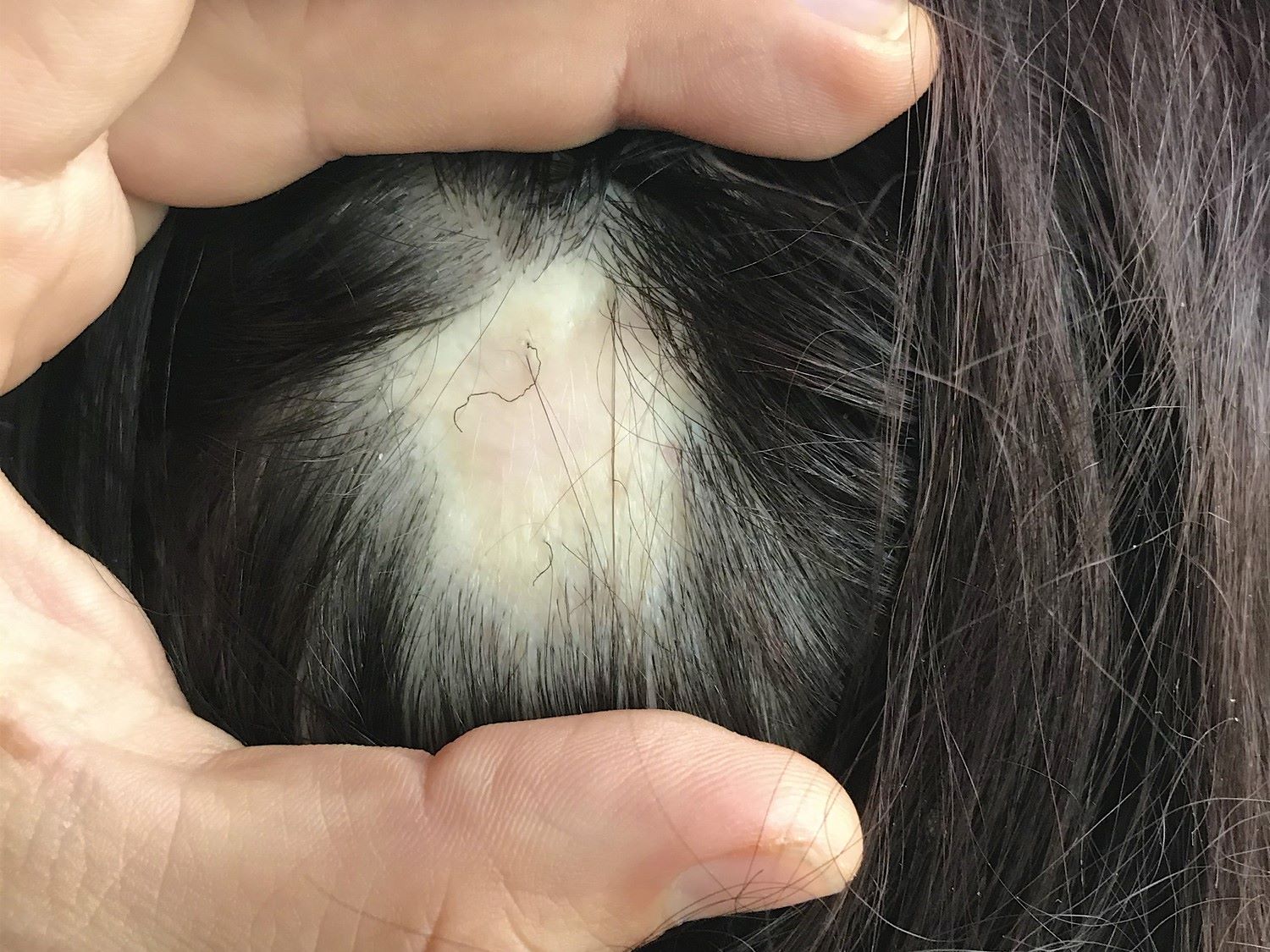
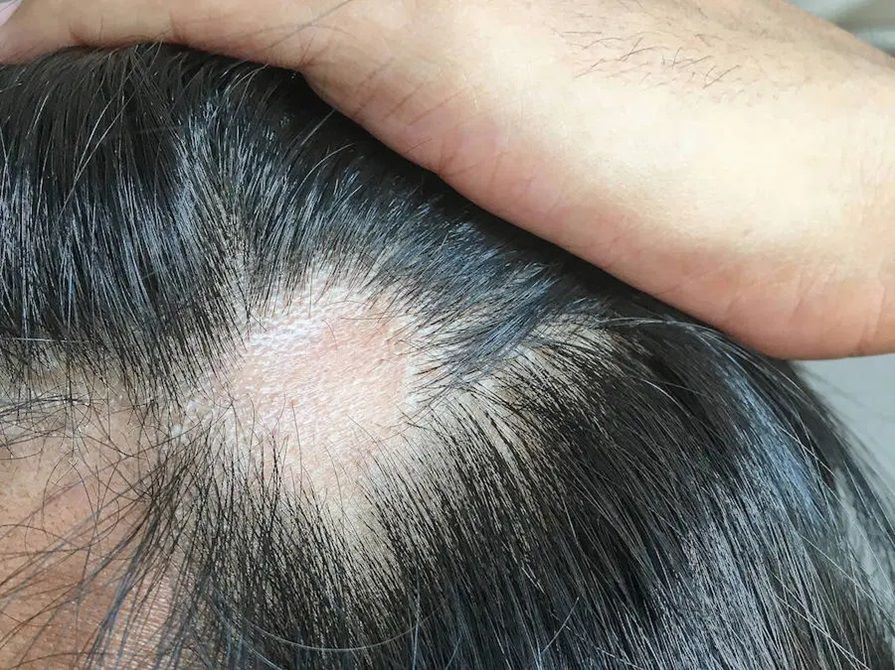
The opening through which the shaft should grow also closes up over time if unused (or, in the case of mechanical damage, it can be covered by scar tissue). So dead hair follicles can look like a smooth, bald patch of skin or like a scar.
A trichologist may be able to get a better view of your follicles by using a microscope or other trichological tools.
How can you prevent dead hair follicles?
The best way to prevent hair follicle death is to see a trichologist at the first signs of hair thinning and balding. Most types of hair loss that can result in dead hair follicles are progressive, which means they will worsen if left untreated. However, caught in time, they can often be curbed before reaching the point of hair follicle death (especially when it comes to androgenetic alopecia).
How can you treat dead hair follicles?
Miniaturised or damaged hair follicles can sometimes be treated with medication such as Minoxidil or Finasteride, as well as other effective therapies (such as PRP treatment for hair or low-level laser therapy). But once a hair follicle is dead, there is nothing you can do to restore its function.
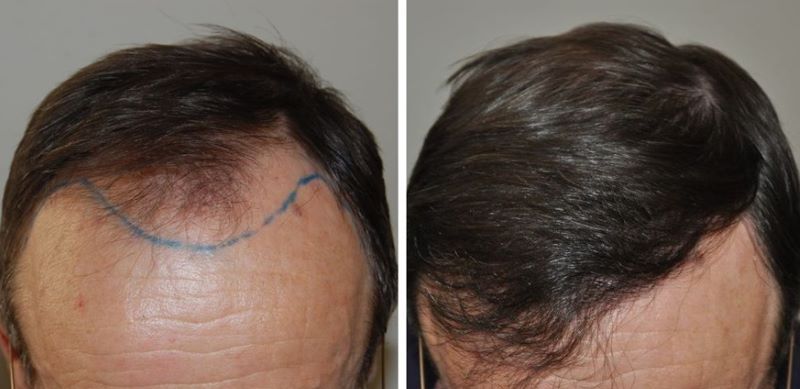
However, depending on the reasons your hair follicles have become inactive, you may still be able to regain hair growth in the affected area. At this time, there is only one treatment that can help in this case, and that is a hair transplant. Hair restoration surgery is a safe and highly effective procedure that involves harvesting healthy hair follicles from the back of your head and implanting them in the bald spots on your scalp that contain dead hair follicles.
Patient before and after hair transplant for male pattern baldness performed at the Wimpole Clinic
Patient before and after hair transplant into scar tissue (source: ABHRS)
Hair restoration surgery can work very well for male or female pattern baldness. Hair transplants into scar tissue can also sometimes be successful. However, if your dead hair follicles are caused by autoimmune scarring alopecia (where your white blood cells are attacking your follicles), you may not be a good candidate for a hair transplant. It can only be attempted in cases where hair loss has been stable for at least 2 years. Otherwise, the new hair grafts will also get damaged by the underlying inflammation.