

Medically reviewed by
Dr Ahmad Moussa (FRCS) — Updated on January 19, 2026
Dr Ahmad Moussa (FRCS) — Updated on January 19, 2026



How can I stop my hair from falling out?
It is natural to worry and look for solutions if you are experiencing hair loss. However, the best way to be sure you are getting the right treatment is to book a consultation with a trichologist. They will perform a thorough examination of your scalp and hair and may recommend one of the many evidence-based treatments and therapies, according to your scalp needs:
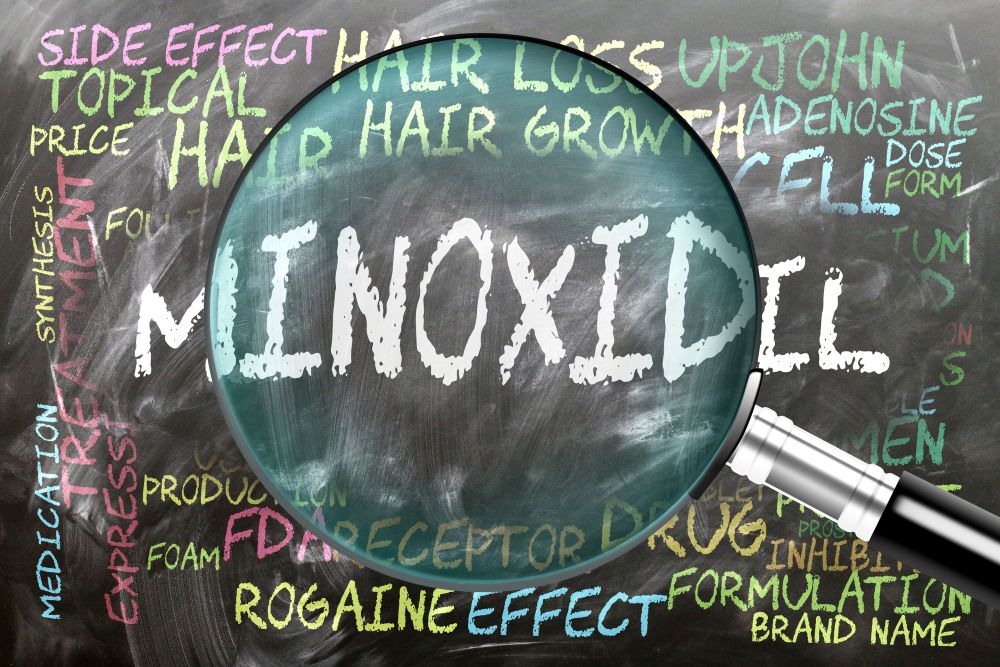
- Minoxidil
- Finasteride (usually not recommended for premenopausal women)
- Steroid creams for hair loss
- Dermarolling for hair growth
- Red light therapy for hair growth
- Hair transplant
If your hair loss is too advanced to respond to non-surgical treatment, there is no need to worry. Hair restoration surgery is safe and fast and recent technological advancements ensure that you can get a natural looking hair transplant whether you opt for a FUE or FUT type procedure.
As you can see in our before and after hair transplant gallery, the results are very good and the best hair transplant clinics in the UK have a 97-100% success rate.
Moreover, the best part is that, unlike medication that you have to keep taking, a hair transplant is permanent, so it is the quickest way to regain your once-luxurious locks.


Medically reviewed by Dr Ahmad Moussa (FRCS)
— Updated on January 19, 2026
The Wimpole Clinic offers FUE Hair, Beard & Eyebrow Transplants & Trichology.
Talk to a specialist ☎ 020 7935 1861.
Talk to a specialist ☎ 020 7935 1861.
Medically reviewed by
Dr Ahmad Moussa (FRCS) — Updated on January 19, 2026
Dr Ahmad Moussa (FRCS) — Updated on January 19, 2026
Book Your Free Hair Transplant Consultation
Simply fill in your details and we’ll get in touch with you shortly.