



Medically reviewed by
Dr Ricardo Correia (GMC) — Updated on July 24, 2026
Dr Ricardo Correia (GMC) — Updated on July 24, 2026
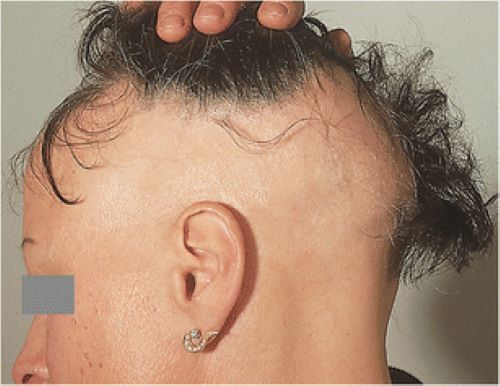


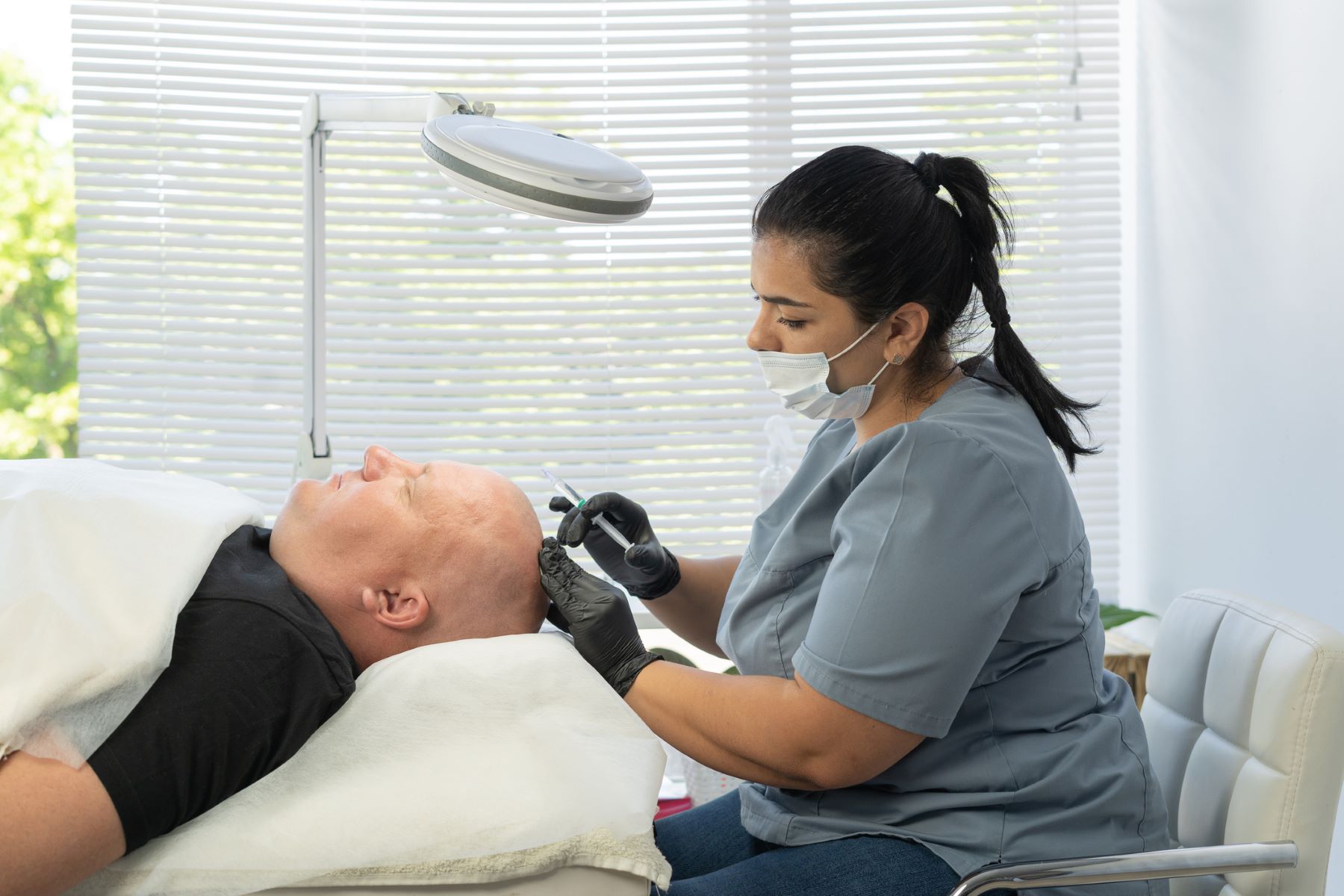
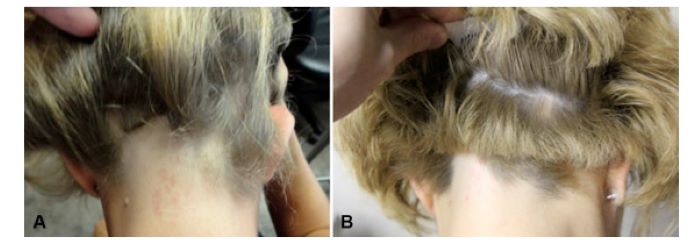
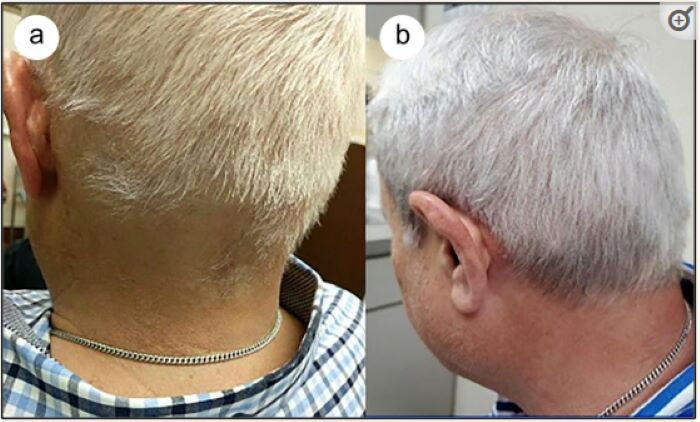


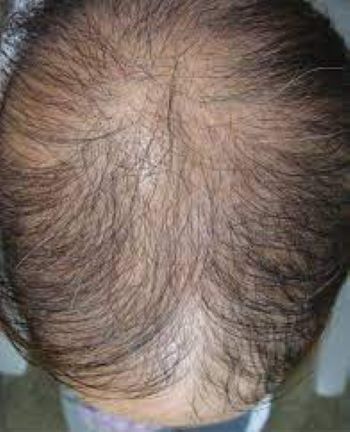
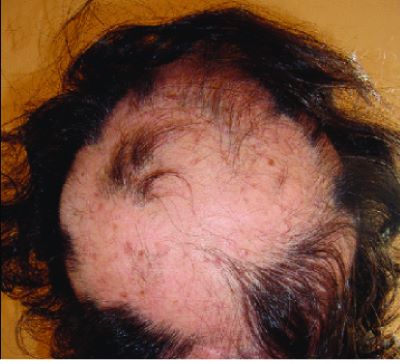
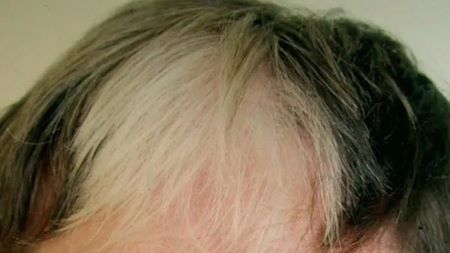

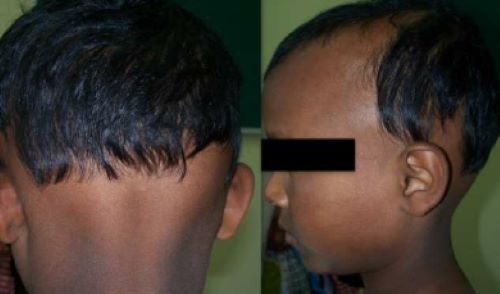

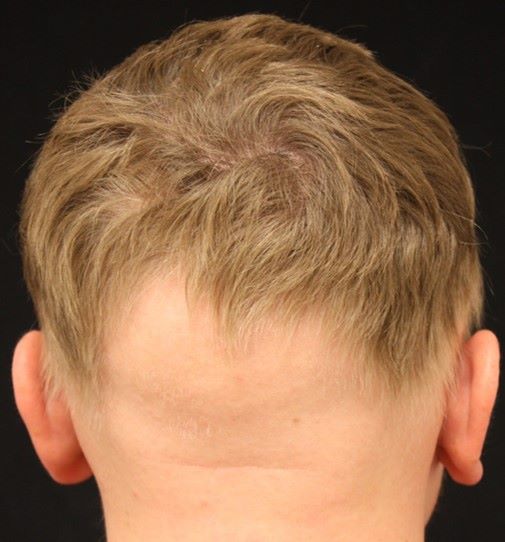
Are you concerned you may have ophiasis alopecia?
If you suspect that you may be experiencing ophiasis alopecia, it is best to book a consultation with one of our top trichologists from the first signs of hair thinning and balding. They will examine your scalp, perhaps conduct some tests, and provide you with an accurate diagnosis.
Moreover, they will be able to provide personalised treatment recommendations which may help manage your symptoms and restore some hair growth.
And even if your condition should not respond well to treatment, they will still be able to provide you with helpful tips and tricks to make the best out of the situation, such as showing you the best ways to hide your hair thinning.


Medically reviewed by Dr Ricardo Correia (GMC)
— Updated on July 24, 2026
The Wimpole Clinic offers FUE Hair, Beard & Eyebrow Transplants & Trichology.
Talk to a specialist ☎ 020 7935 1861.
Talk to a specialist ☎ 020 7935 1861.
Medically reviewed by
Dr Ricardo Correia (GMC) — Updated on July 24, 2026
Dr Ricardo Correia (GMC) — Updated on July 24, 2026
Book Your Free Hair Transplant Consultation
Simply fill in your details and we’ll get in touch with you shortly.