

Medically reviewed by
Dr. Hafsa Farah Mohamed (GMC) — Updated on July 24, 2026
Dr. Hafsa Farah Mohamed (GMC) — Updated on July 24, 2026







When to see a doctor for burning scalp and hair loss
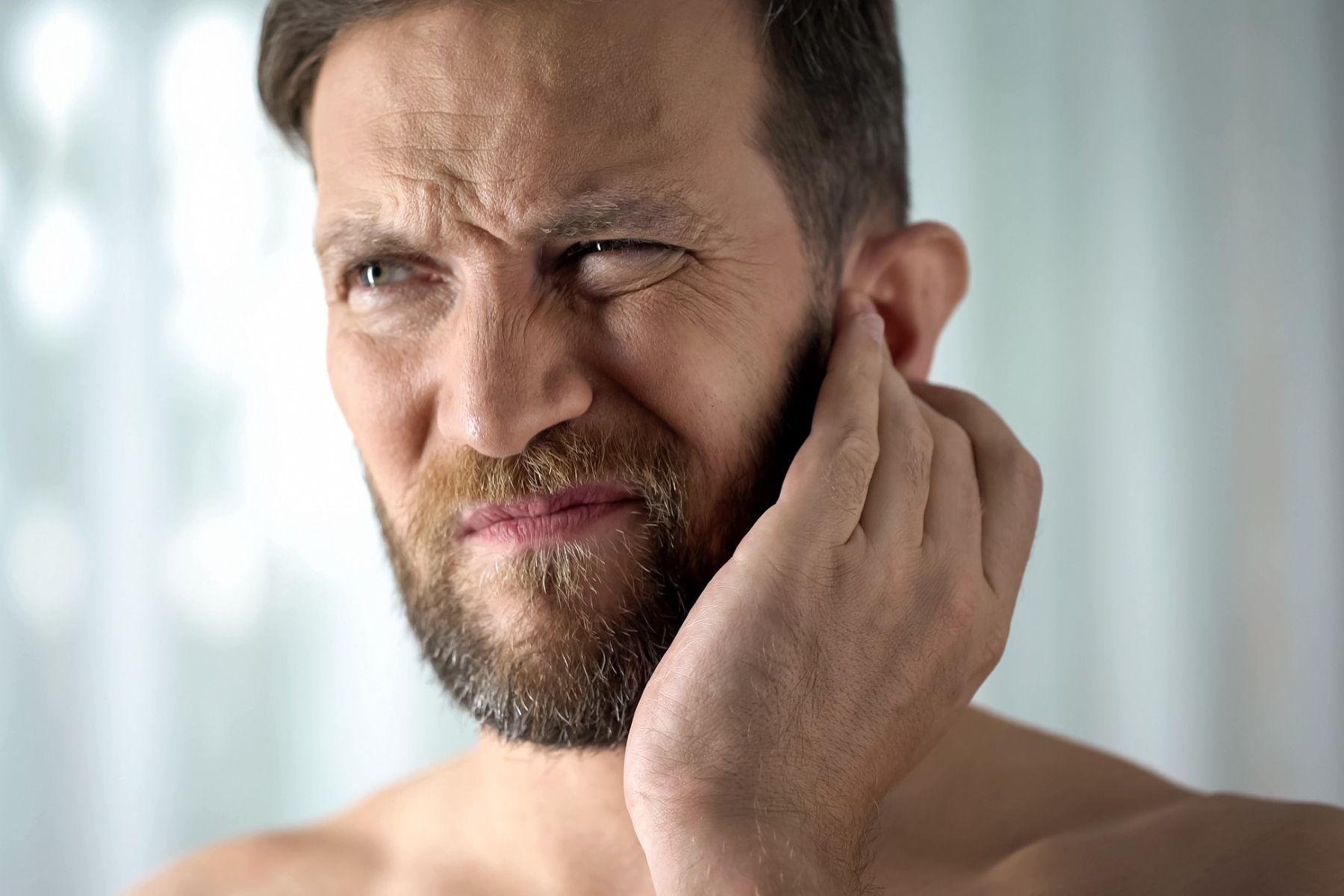
Whenever possible, it is a good idea to see a doctor if you are having any kind of scalp discomfort which does not improve on its own in a few days. The following symptoms generally warrant an appointment with your healthcare provider:
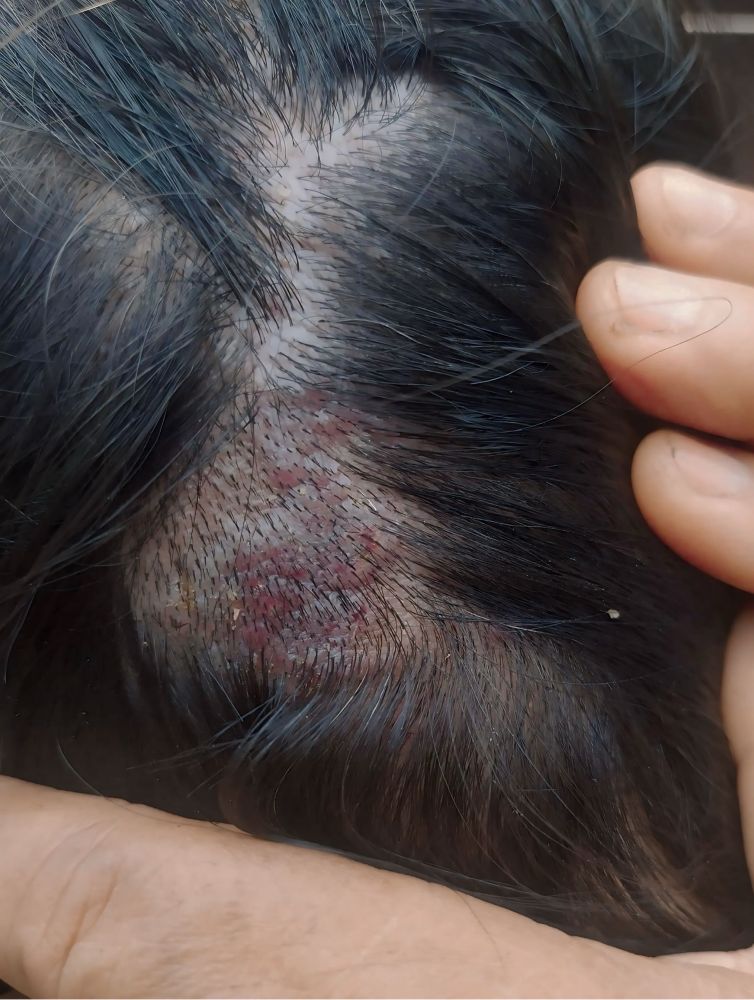
- Scalp redness, warmth and tenderness – they are an indication of inflammation and a possible sign of infection.
- Itchy, scaly, flakey and/or cracked skin which does not resolve with moisturising
- Unexplained lesions, growths or thick, dry patches on your scalp
- Bleeding or oozing from your scalp without any previous trauma
- Blisters, pimples or rashes on your scalp
- Unexplained scalp burning, tingling, numbness or pain which are not caused by trauma and do not go away on their own in a few days.
- Patchy hair loss which comes about suddenly.
While most scalp conditions are not dangerous to your health and a regular doctor’s appointment will suffice, contact emergency services immediately if you have any of the following symptoms:
- Significant scalp swelling that extends to the rest of your face, especially when accompanied by difficulties breathing – this could be a sign of a severe, potentially life-threatening allergic reaction.
- Sudden, severe scalp pain (especially around the temples), accompanied by fever, vision problems (double vision or loss of vision), headaches and/or jaw pain – these could be symptoms of temporal arteritis, a serious inflammatory condition which requires urgent care [17]
If you are experiencing burning scalp and hair loss but are not sure why this is happening, it’s a good idea to get diagnosed as soon as possible. Putting it off can lead to a worsening of your condition and to further damage to your hair, which will be harder to treat and reverse.
To make sure your scalp is in good hands, book a consultation today with one of the world-class hair specialists at the Wimpole Clinic. They will use state of the art equipment to diagnose any scalp disorders and run hair loss blood tests to learn the true cause of your shedding.
And whatever the root of the problem may be, they will recommend the best female hair loss treatment which is tailored to your particular hair and scalp needs.


Medically reviewed by Dr. Hafsa Farah Mohamed (GMC)
— Updated on July 24, 2026
The Wimpole Clinic offers FUE Hair, Beard & Eyebrow Transplants & Trichology.
Talk to a specialist ☎ 020 7935 1861.
Talk to a specialist ☎ 020 7935 1861.
Medically reviewed by
Dr. Hafsa Farah Mohamed (GMC) — Updated on July 24, 2026
Dr. Hafsa Farah Mohamed (GMC) — Updated on July 24, 2026
Book Your Free Hair Transplant Consultation
Simply fill in your details and we’ll get in touch with you shortly.