How does diet impact hair growth?
While it’s widely agreed that the food you eat has a significant impact on your hair, the link between diet and hair growth is complex, with several factors at play. Let’s look at the key ways diet can affect your hair.
Good nutrition aids cell proliferation
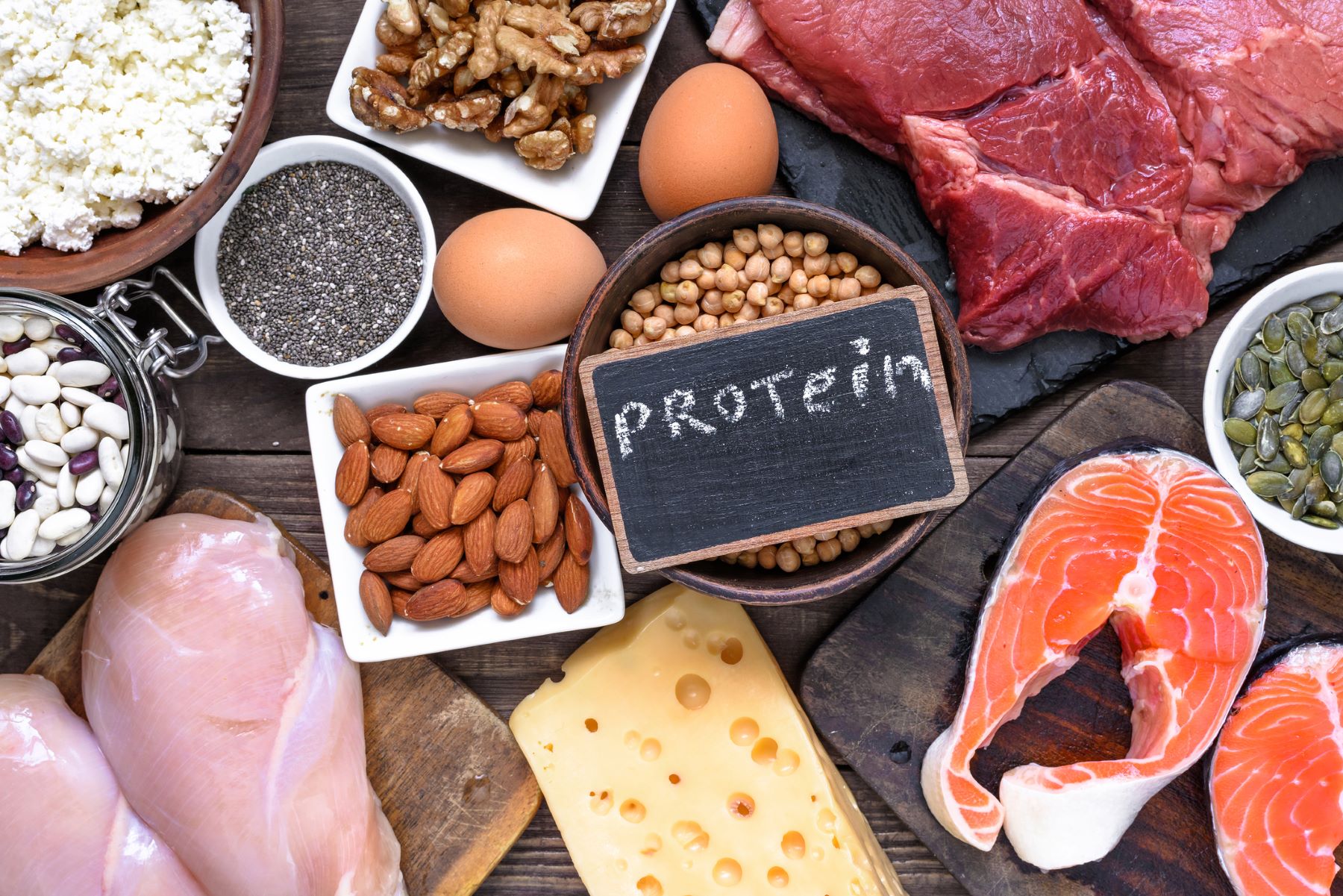
Hair follicles are made up of rapidly dividing cells [24]. This cell division is what causes hair to grow. The micronutrients found in food give hair cells the energy and molecular building blocks they need to proliferate and make your hair grow [25].
Not getting the right nutrients from your diet can impact both the structure and growth of your hair [3]. Studies have shown that a lack of vitamins and minerals can contribute to the development of hair loss conditions, including:
The link between your gut and scalp health
It’s not just micronutrient deficiency that can impact your hair health. The food you eat affects your gut microbiome, which researchers believe may be linked with the development of female pattern hair loss, male pattern baldness, and alopecia areata [29-30].
Your gut flora can impact hair health in three ways:
- A healthy gut ensures you absorb as many nutrients from your food as possible, so your blood can carry more of these nutrients to your hair follicles.
- Hair follicles are highly sensitive to your immune response, which is partly regulated by your gut flora.
- Cultivating a healthy gut microbiome can modulate hair follicle inflammation.
Caloric restriction can lead to hair loss
Not eating enough calories can also lead to hair loss, as seen in many patients who suffer from eating disorders like anorexia nervosa [25].
Anyone who restricts their caloric intake can experience hair loss. Low carb diets may lead to hair loss or ‘keto hair‘, and intermittent fasting has also been linked with slower hair growth. So if you’re planning to lose weight on a calorie-controlled diet, find out how to stop hair loss due to weight loss.
Hair is often the first thing to suffer if you’re not eating well. Dermatologist Dr. Sharon Wong explains: