Young adulthood
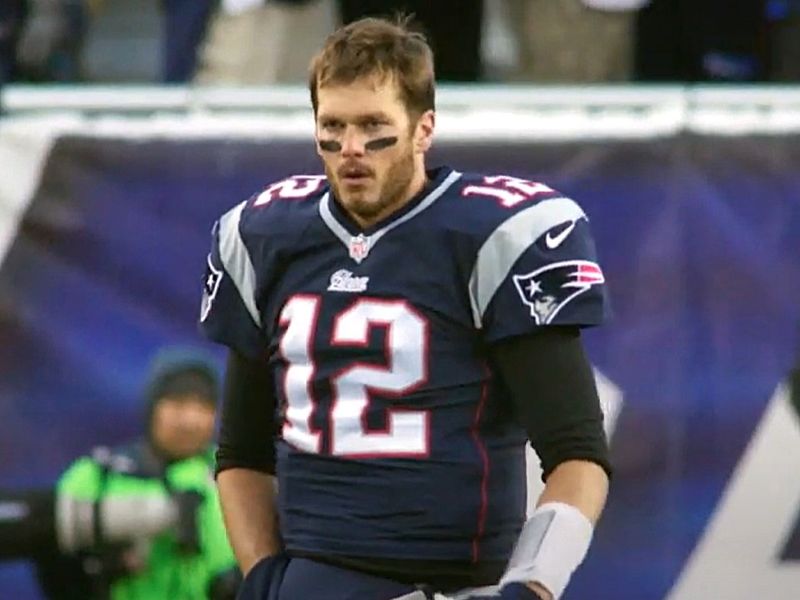
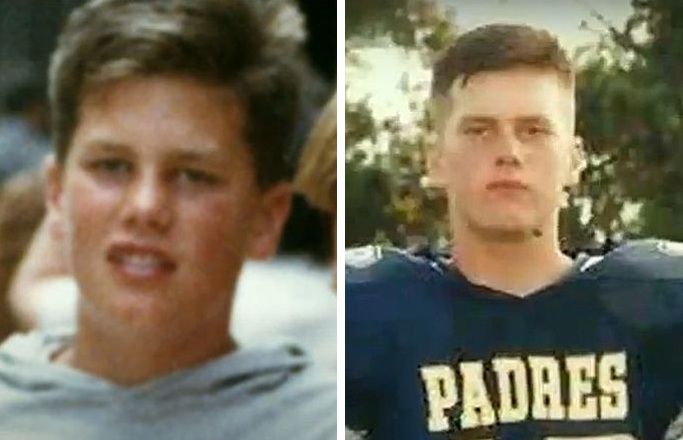
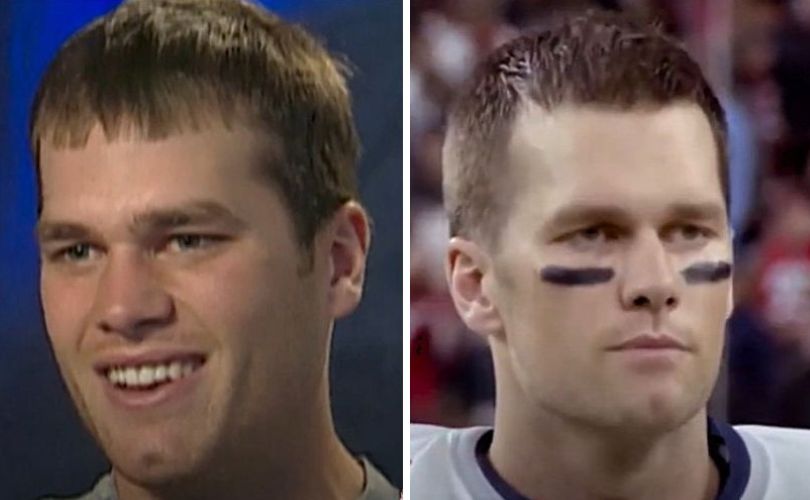
As Tom’s professional career started taking off, around the year 2000, his hairline was still looking great. Even with wet hair, after a long, demanding game, he still didn’t look like he was having hair loss issues.
While for many men, male pattern baldness starts early, around their mid-twenties, the footballer showed no signs of a receding or uneven hairline or noticeable temple hair loss around that age.
A maturing hairline
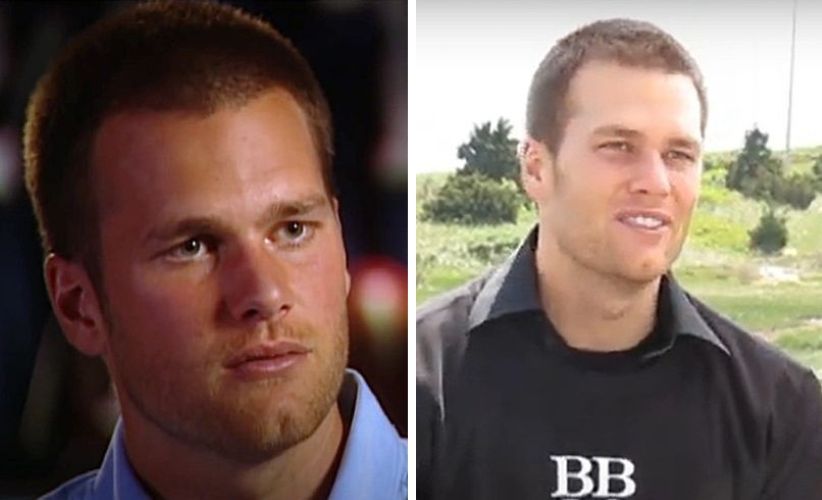
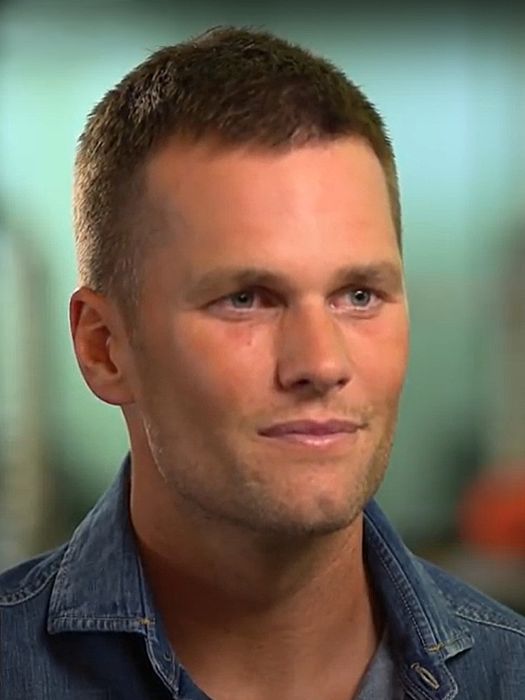
Around the age of 30, Tom’s hairline finally began to mature. In this process, it became a little curved, rather than the straight line it used to be. That is because he started to lose a bit of hair around the temples.
Normally, one of the main differences between a mature and receding hairline is that the former moves up in a straight line (up to about 1.5 cm above its youthful position), without becoming M-shaped. However, male pattern baldness advances quite fast, which Tom’s did not. While his temples have thinned a little, his hairline seemed unchanged for almost a decade, until 2018.
This means the football star was either successfully using hair growth medications such as Minoxidil or Finasteride to curb his alopecia or his hairline had simply normally matured with age. Both these options are possible, as non-surgical hair restoration treatments can work quite well in men with minimal hair loss.
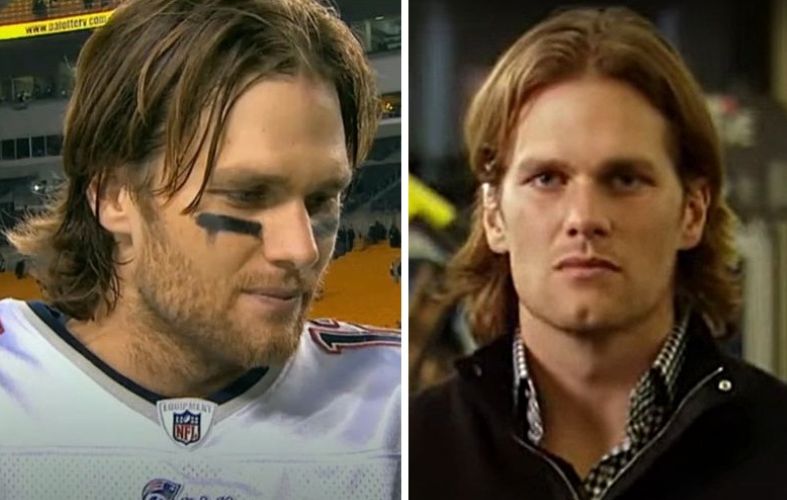
The year Tom’s hair was long
2010 was the only year in Tom’s time in the spotlight when he decided to grow out his hair. While some might speculate that he did so to cover frontal balding, that was likely not the case.
While a longer fringe can be a great hairstyle for men with thinning hair, photos of the quarterback with his hair tucked behind his ears disprove this theory. His hairline still seemed to look good, with no significant frontal hair loss.
The first signs of hair loss
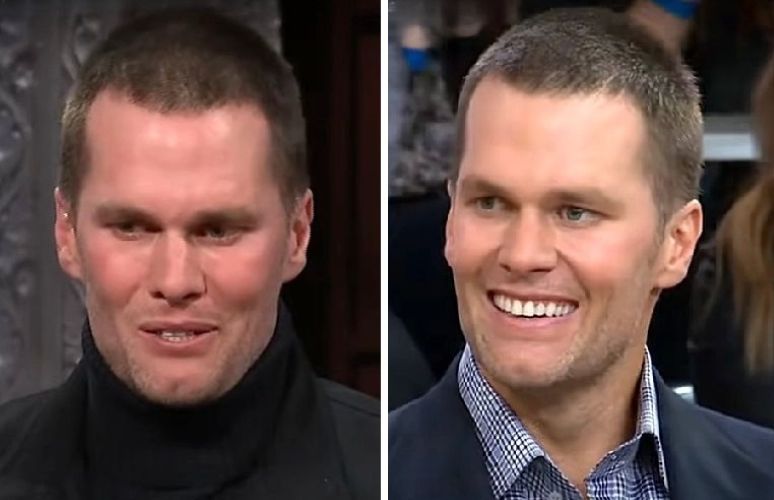
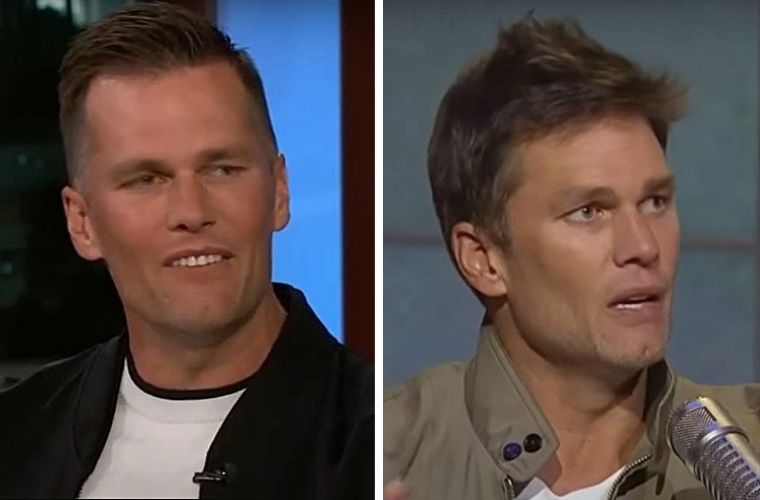
However, as Tom entered his 40s and reverted to short haircuts, his M-shaped hairline started to become more obvious. In 2018, he started showing the first signs of hair thinning and balding that could no longer be contested. While there still appeared to be no obvious thinning on his crown, his temple hair receded significantly around his still rather full frontal area.
Tom Brady’s rumoured hair transplant
If the footballer ever had a hair transplant, it was likely to have been in 2018. Not only was he seen wearing more hats and caps than usual during public appearances that year, but in 2019, he was sporting a perfectly straight, youthful hairline once more.
Some hair specialists and sports influencers have argued that the only way to obtain this pristine effect was through a low-volume hair restoration surgery. However, others believe that Tom’s longer-in-front hairstyle helped him cover what wasn’t very advanced hair loss to begin with.
The recent years
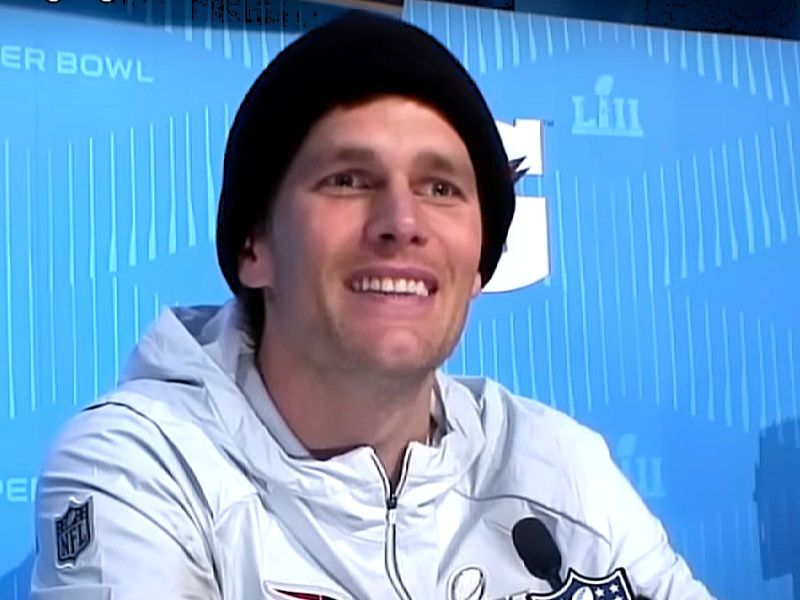
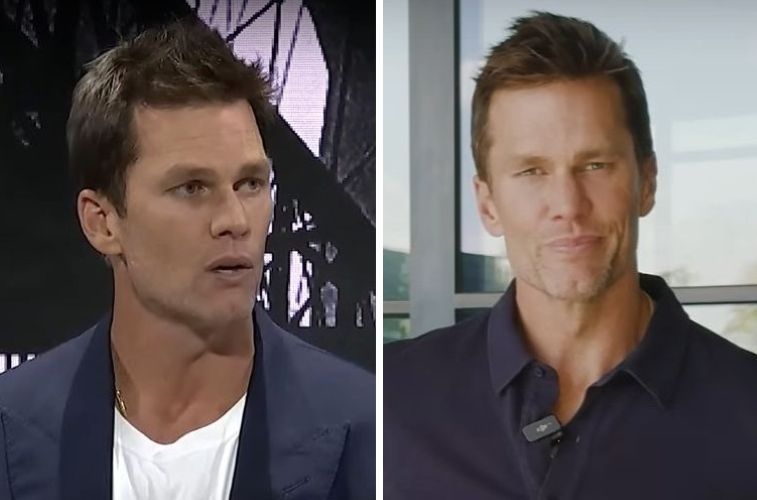
As the former quarterback is pushing 50, his hairline still looks amazing to the present day. Whether it was surgically obtained or he used hair loss medications to curb and reverse his alopecia, whatever he did, worked.
In 2024 and 2025 Tom appeared in public with full, thick, almost perfect hair, fit for a television broadcaster. If he really got a natural-looking hair transplant, he is probably very satisfied with the results.
What kind of hair transplant did Tom Brady get?
If Tom Brady wanted to get a discreet hair transplant, he is likely to have opted for follicular unit extraction (FUE). Unlike follicular unit transplantation (FUT), which involves harvesting an entire strip of skin from your donor area and leaves a fine scar, FUE is virtually scar-free. That is because it involves harvesting each hair graft individually, only leaving minor puncture wounds that heal in a few days, leaving few visible marks.
If Tom had an FUT procedure, the tell-tale scar on the back of his head would easily have been spotted by the media when wearing buzz cuts with fades, as he did in 2019. This means that if he did get surgical hair restoration, it was most likely FUE. This procedure can be more time-consuming than FUT, but it has advantages such as shorter hair transplant recovery time, reduced postoperative pain and minimal hair transplant scars.
How many grafts did Tom get?
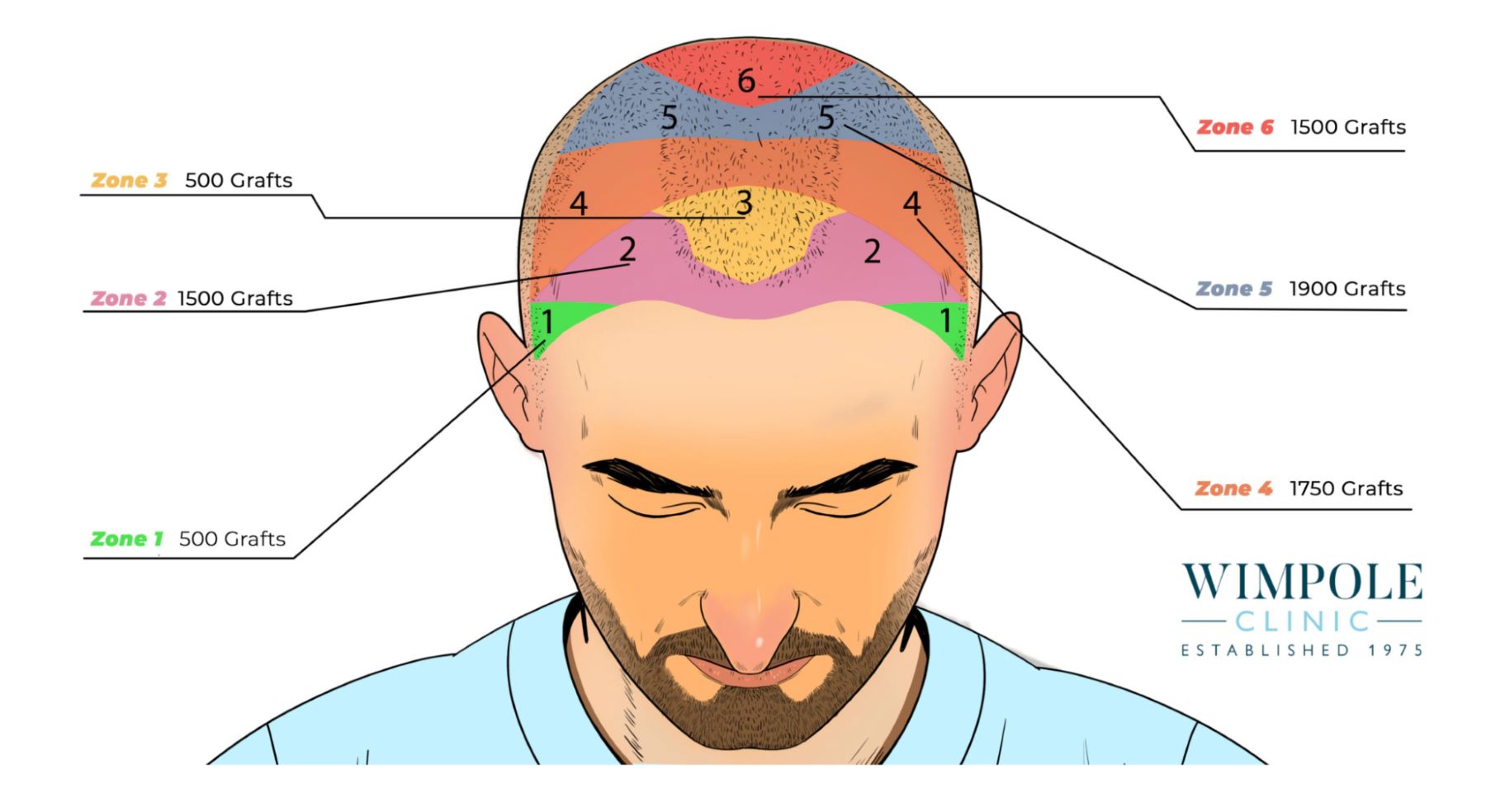
Since Tom Brady’s hair loss was mild, there would have been no need for a large volume of hair grafts. He would only have needed to improve hair density on his temples to correct his M-shaped hairline. This means that a 1000-graft hair transplant would have likely sufficed.