Chris Bumstead’s hair timeline
Normally, male pattern baldness starts sometime between 25 and 35. However, Chris’ hair loss journey began a little early, before his mid-twenties. Here are the transformations that the bodybuilder’s hairline went through over the years.
The early days
At age 10, Chris wore a short, slightly messy haircut which revealed an even-sized forehead. Chris’ hairline looked typical for his early age, with no distinctive signs such as a widow’s peak or congenital irregularities.
Young adulthood
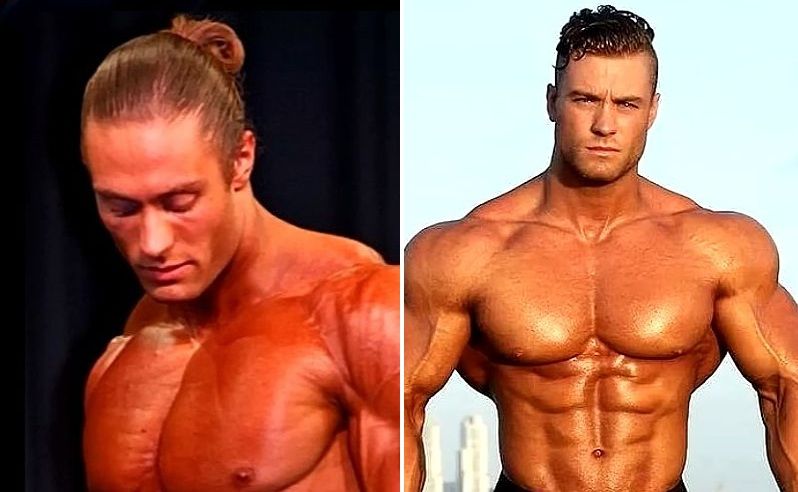
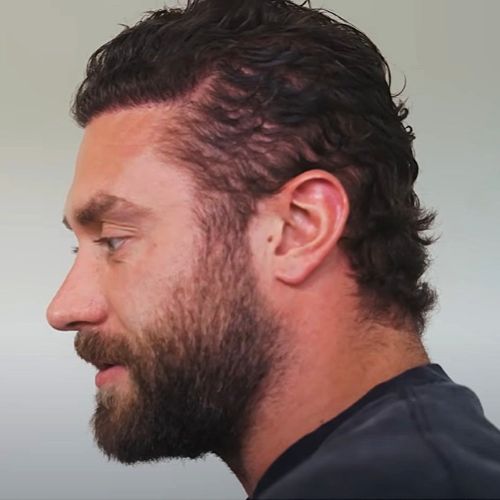
During the first years of his bodybuilding career, CBum’s hairline remained straight and youthful. It showed no signs of recession. And the corners of his temples only appeared slightly thinner when his hair was pulled back tightly in a bun, so that did not appear to be a sign of teenage hair loss.
However, around the age of 20, Chris started to wear very high fades which made it more difficult to tell whether he was experiencing any temple hair thinning. The athlete may have noticed some concerning early symptoms of temple recession and tried to mask them.
The first signs of hair loss
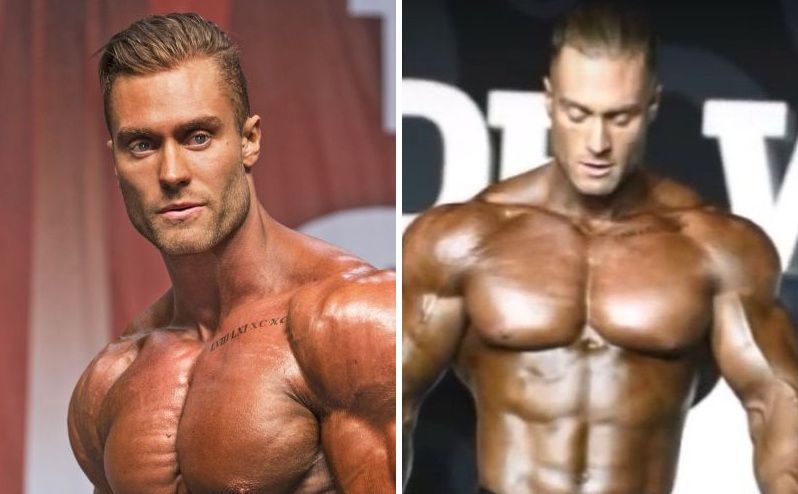
According to Chris, 2018 was the year when his hair started suddenly falling out. However, the first signs of hair thinning and balding could be observed even before that. Photos taken during the 2017 Mr. Olympia competition show that CBum had an uneven hairline, which had been perfectly straight 2 years before. The rise of the temple corners is also clearly visible.
However, his hair loss did likely accelerate in 2018, as his male pattern baldness overlapped with what was likely telogen effluvium from his autoimmune disorder. This troubled the athlete, who decided to start using the hair loss medication Finasteride to control his alopecia.
Finasteride was not enough
The Finasteride worked to prevent CBum-s frontal balding from advancing and even reversed some of it. However, it was unable to restore the bodybuilder’s full head of hair to its former glory. Chris was not happy with the results, as by 2020 he still had a visibly receding hairline. This led him to opt for a permanent hair transplant instead.
Chris Bumstead’s hair transplant
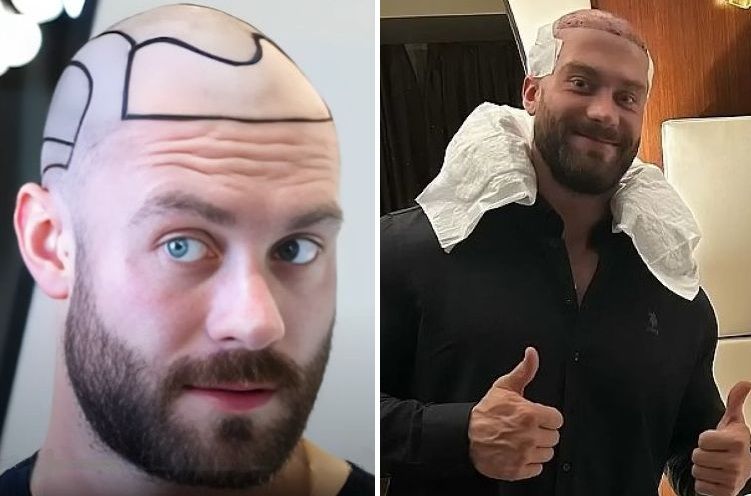
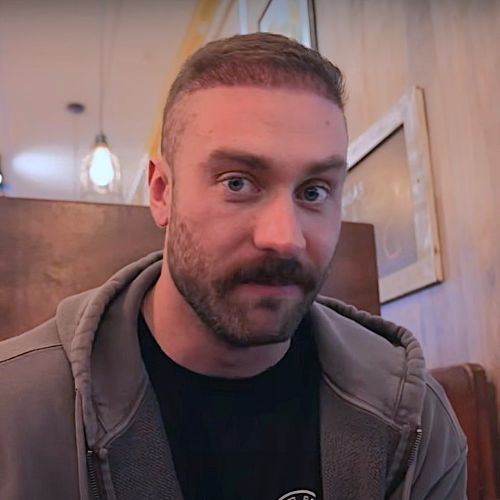
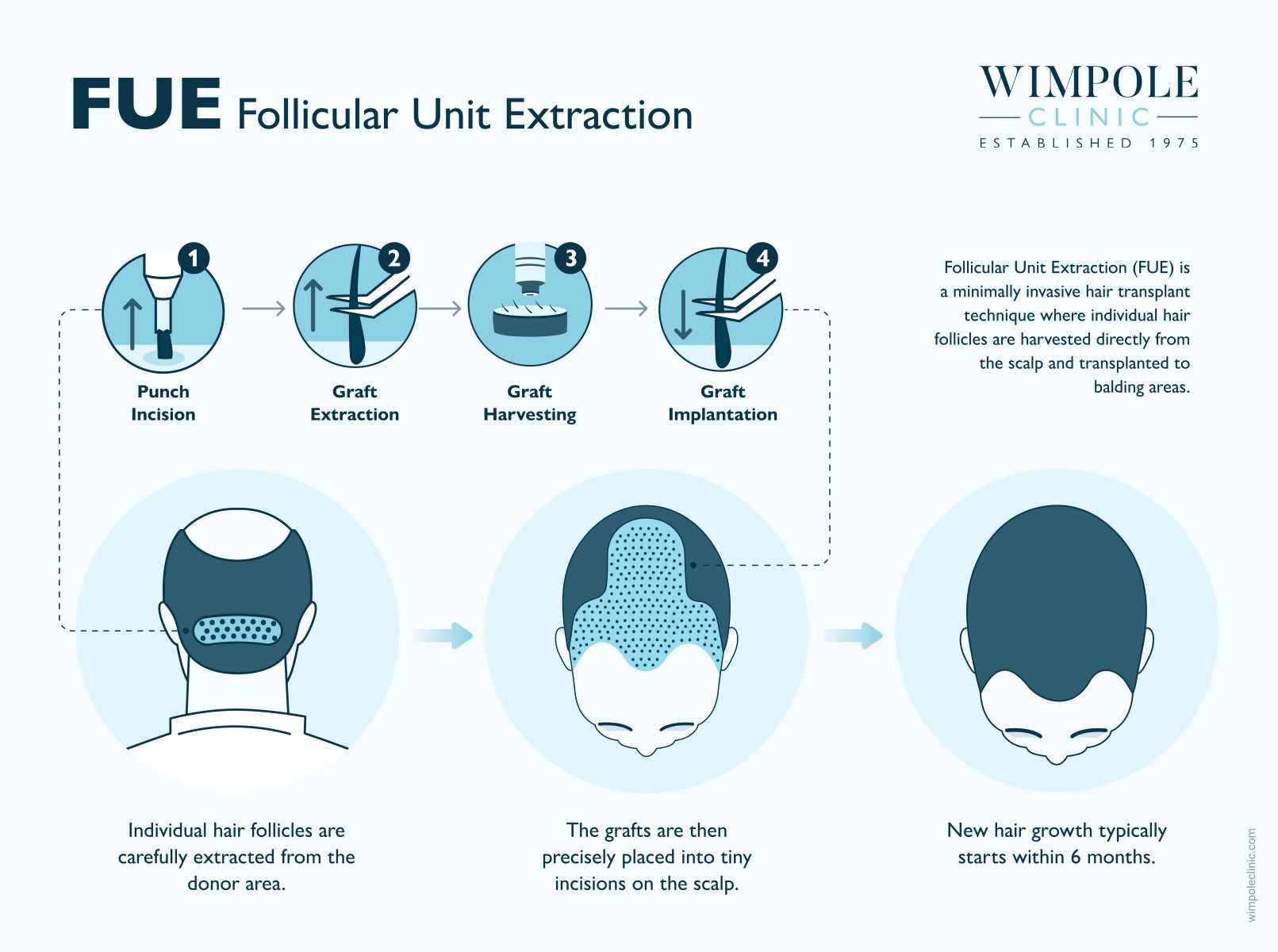
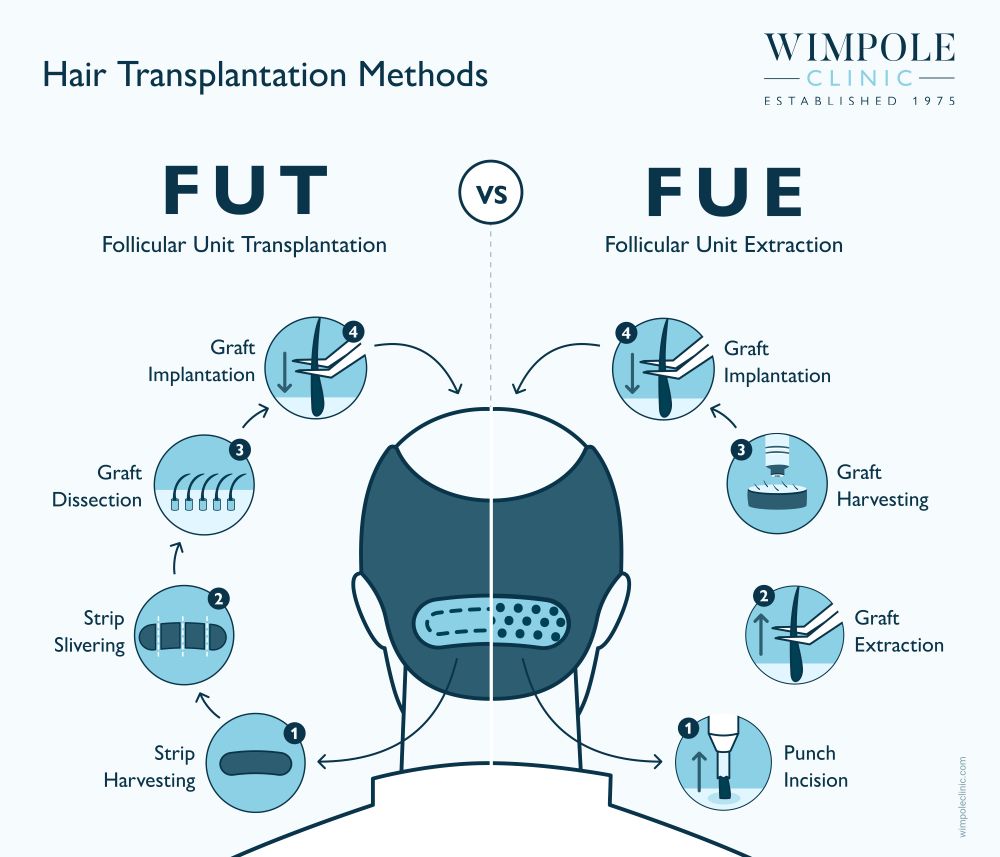
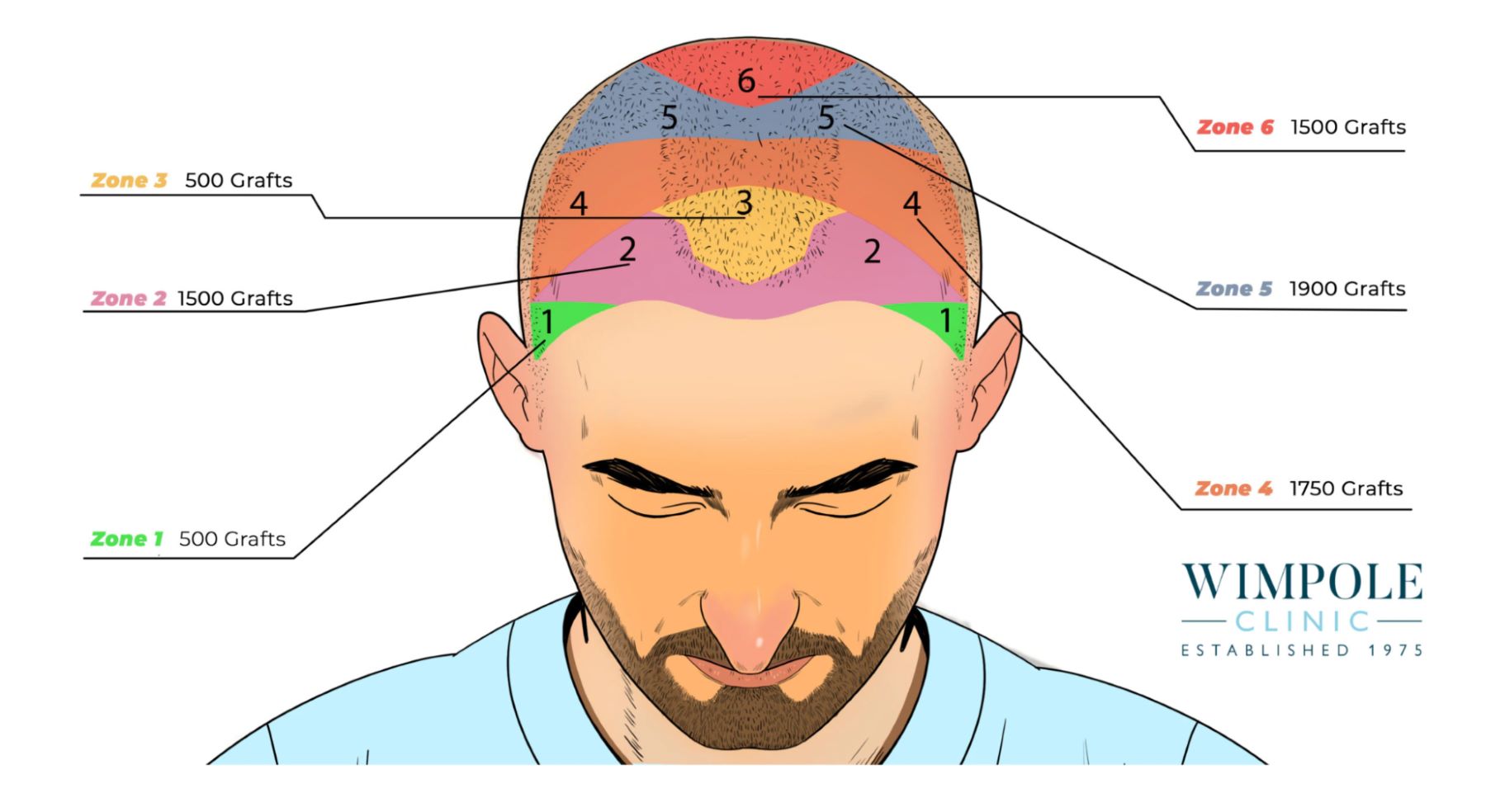
In November 2023, CBum stopped at a Turkish hair restoration clinic on his way back from a show in Dubai. He underwent an 8.5-hour long outpatient surgery to cover the frontal area of his scalp.
Unfortunately, the athlete found the experience very painful and uncomfortable, which may be a sign of an insufficiently skilled surgical staff. While some minor pain may be involved when having local anaesthetic injected, it should not be “9 out of 10” like Chris described it [1]. Most patients find their hair transplant doesn’t hurt [4], so something may have gone wrong during his procedure (athletes often have a reasonable pain threshold).
If Chris had a fear of needles (which could have raised his perceived pain level), he could have been advised to get a needle-free hair transplant for increased comfort.
When it comes to the hairline design, the markings the doctor made on his scalp (see photo above) show that it was intended as a very straight line, about 1 cm lower than his natural hairline. This means his surgeon may have been inexperienced. A too-straight hairline appears unnatural and this choice has been criticised by some fans and influencers.
The recovery period
Hair transplant maintenance was difficult for CBum during the first month. He was bothered by the scabbing and itching, but especially by not being allowed to train for 30 days. However, this was absolutely necessary, as strenuous exercise can damage the grafts, leading to potential hair transplant failure.
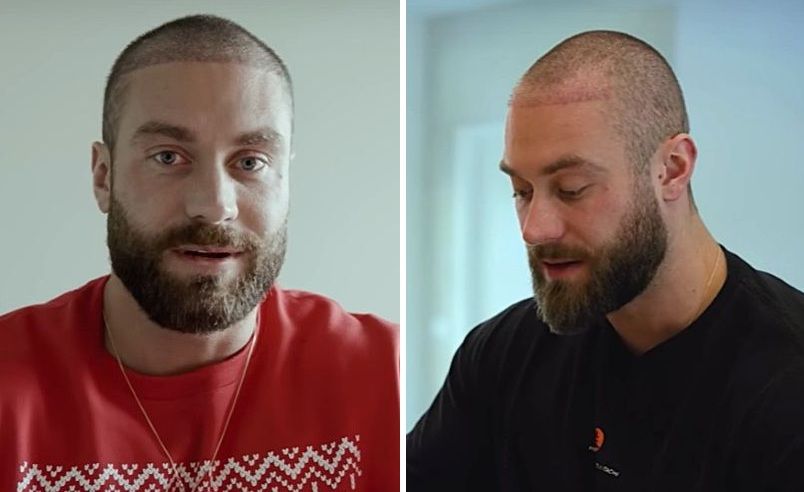
Another unusual thing about Chris’ recovery is that while hair transplant redness normally fades completely within 2 weeks of surgery, his persisted for months. And the athlete is not exaggerating with this complaint. Videos taken in March 2024 still show him with a reddish hairline 4 months post-procedure. This can be a sign of poor surgical technique, as damage to the scalp was not kept to a minimum.
The recent years
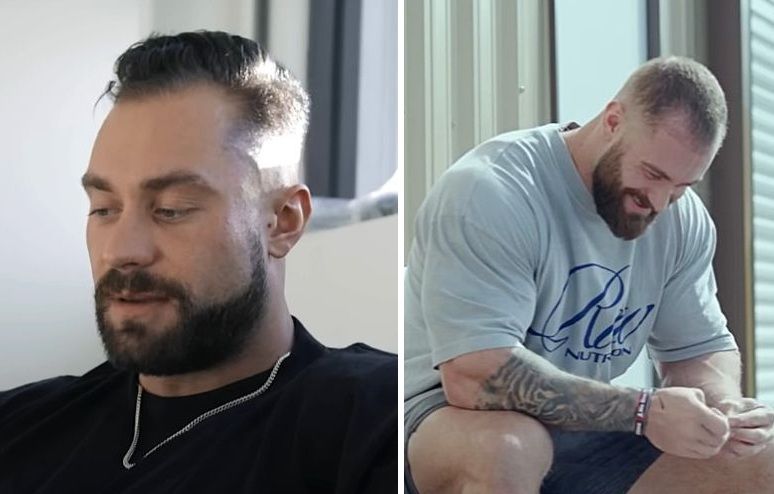
Fortunately, save for the excessively straight hairline, Chris’ hair transplant turned out to be successful. The athlete was happy with his results and the transformation in his appearance was visible.
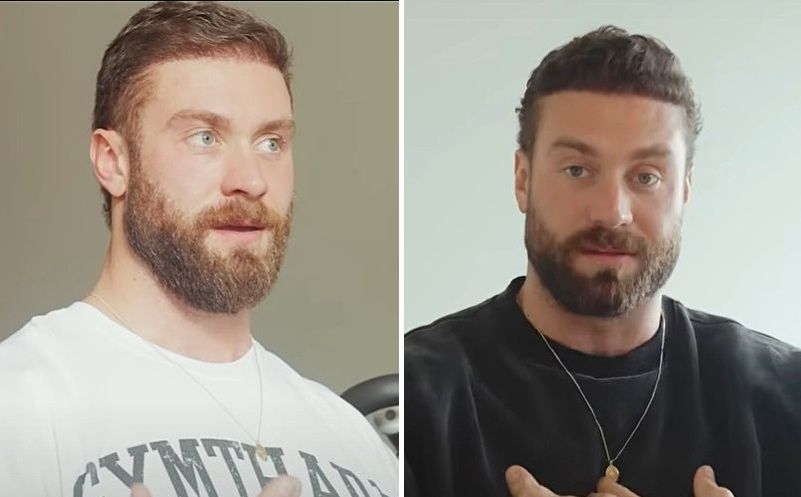
However, only 2 years later, in 2025, there is indication of further hair thinning at the temples and around the hairline:
If this is the case, the thinning may be caused either by poor surgical technique or by the advancement of androgenetic alopecia around the hair grafts. This means that Chris may be one of the 28.6% of patients who need a second hair transplant to achieve their ideal look [5].