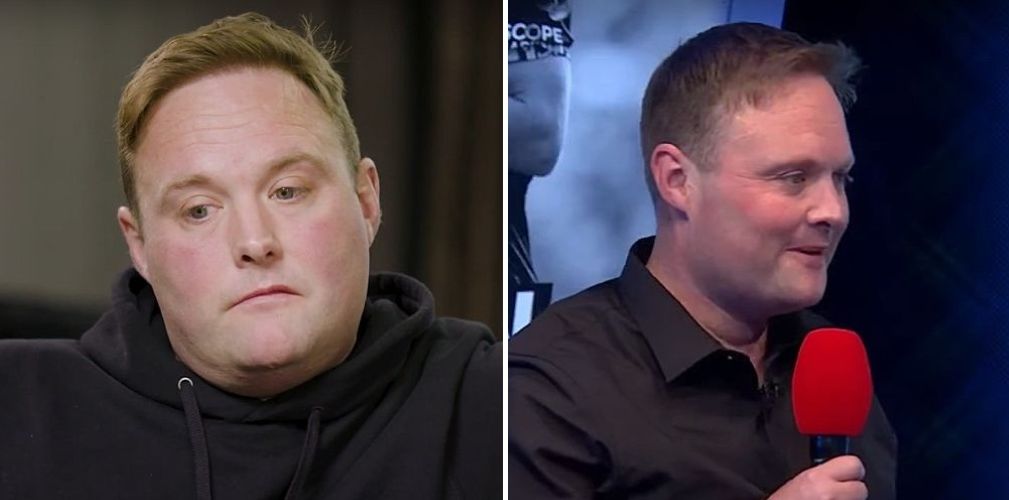
Who is Peter “Tubes” Dale?
Peter Dale is a British entertainer and TV personality born in England in 1982. He got his famous nickname “Tubes” from one of the first characters he played on the TV show Soccer AM (which also featured Lloyd Griffiths who has revealed his hair transplant at the Wimpole Clinic): Peter the Test Tube Baby. The entertainer eventually got a regular segment on the show, doing the one question and one question only interviews.
Tubes performed on Soccer AM for over 20 years, until the show’s cancellation in 2023 [1]. After that, he became a content creator, starring in a self-produced digital comedy show called Golf Life.
Did Tubes have a hair transplant?
Yes, Tubes was always candid about the hair transplant he had in 2020 at a UK clinic. He was excited to get what he perceived as a much-needed procedure. The entertainer confessed in a pre-transplant video that he used to call himself a “human egg”, due to his large balding forehead, and he was looking forward to his new, full head of hair.
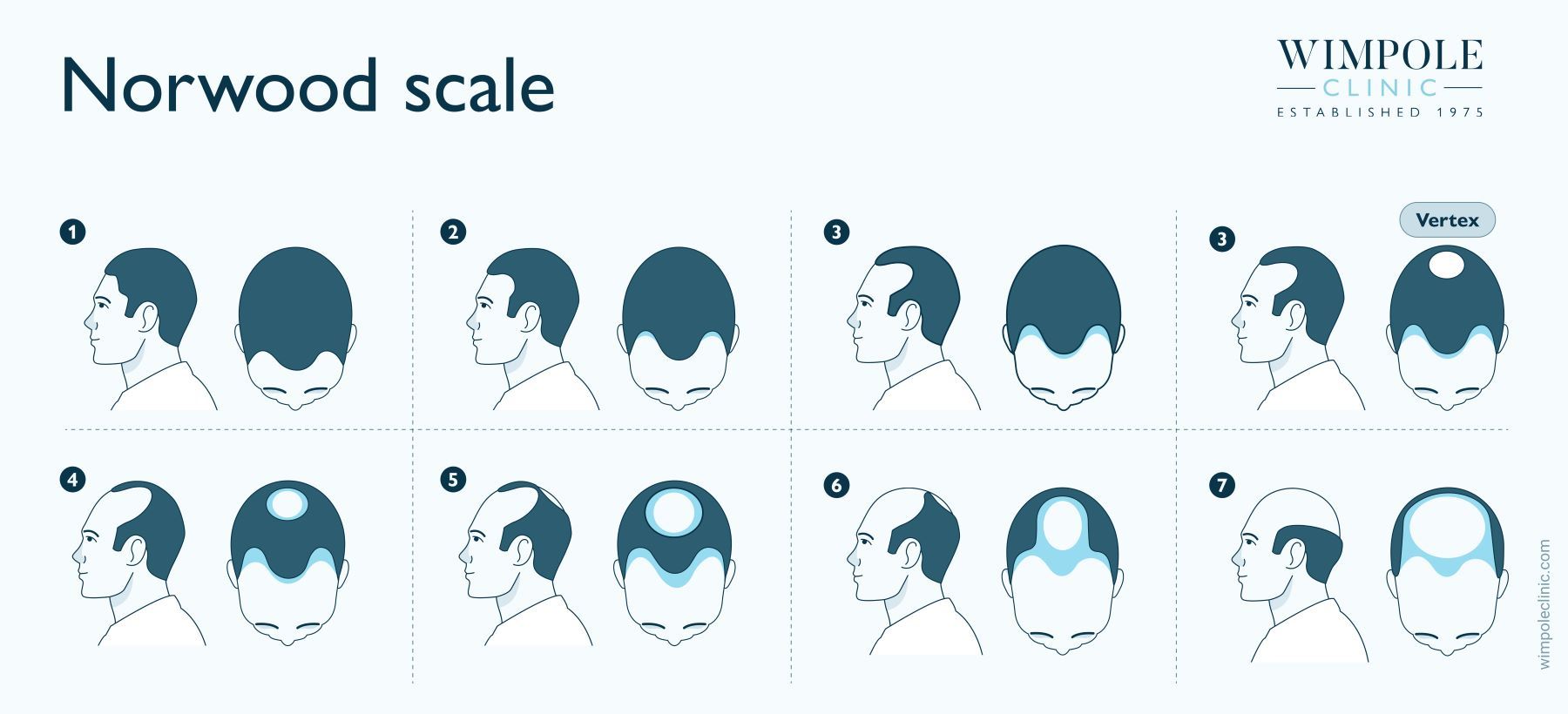
The Norwood scale that measures the stages of male pattern baldness
Tubes’ hair journey
Everything seemed to go downhill for Tubes’s hair sometime in his mid-late thirties, which is not uncommon, as that’s when male pattern baldness starts for many men. But how and when did his hair thinning begin? Here is his hair journey.
Young adulthood
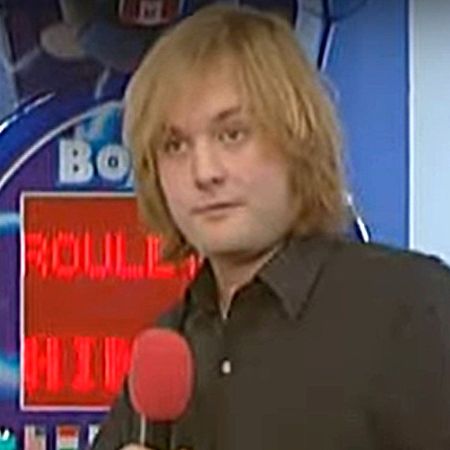
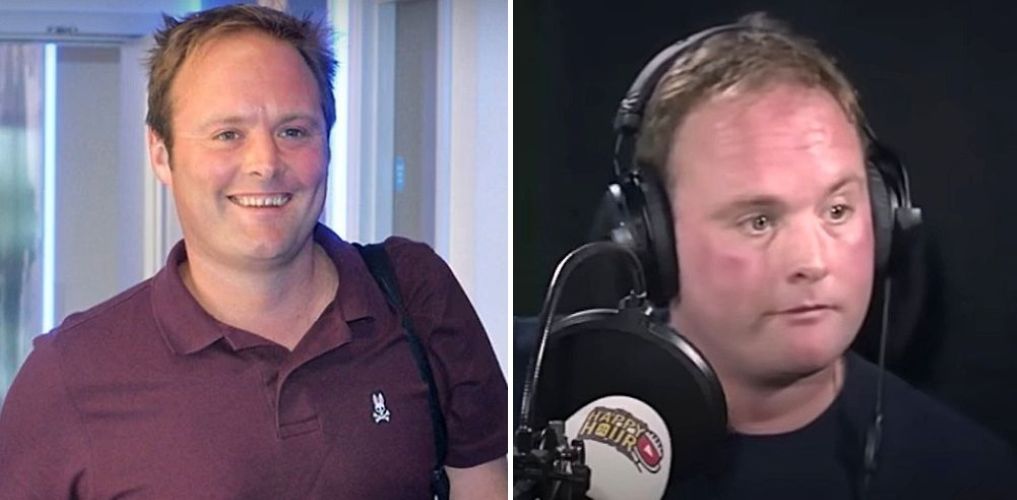
The earliest photos – from his mid-twenties – show Tubes sporting a mid-length mop-top. At this point, his frontal hair was still thick and healthy enough to look full and cover his forehead perfectly. However, while it is clear from the picture below that Tubes had a tall forehead, the hairstyle hides his hairline, so it’s unclear if he was already showing the first signs of hair thinning and balding at this time.
However, photos taken one year later, after the entertainer cut his hair shorter, show no obvious signs of hair loss. If he was already experiencing an uneven hairline or temple hair loss, it could only have been in the early stages, as his hair loss could easily be disguised by his hairstyle:
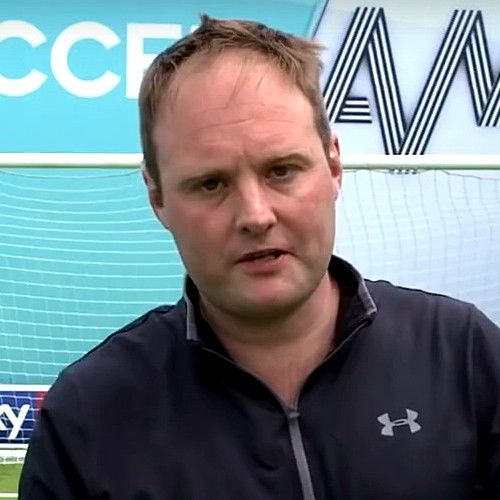
Time was not very kind to Tubes’ hairline, as male pattern baldness set in and quickly advanced during the following decade. By the time he reached his mid-30s, Tubes had developed pronounced frontal hair loss, which affected his hairline and temples.
But instead of developing a typical M-shaped hairline, it looks like his whole forehead crept up towards his crown.
Tubes’ androgenetic alopecia seems to have progressed rapidly. In just a few more months, it appears to have taken over half of the top of his head (see below).
At this point, waiting much longer to get hair restoration surgery would have been risky, as the baldness could become too advanced to obtain full enough coverage without using a large number of hair grafts.
Tubes’ hair transplant procedure
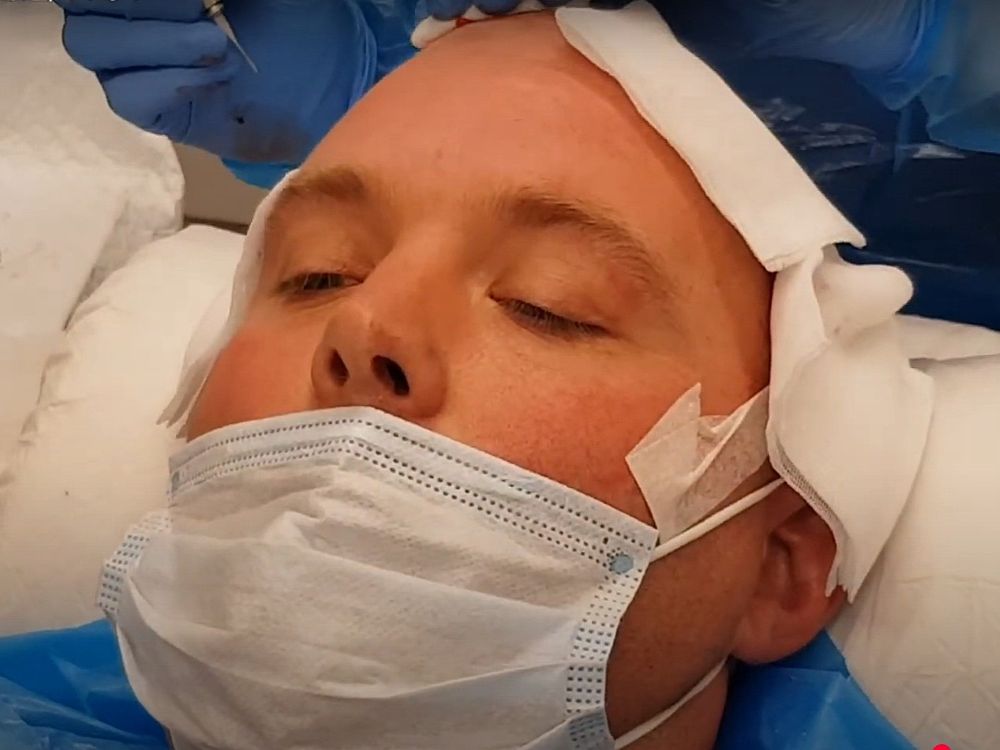
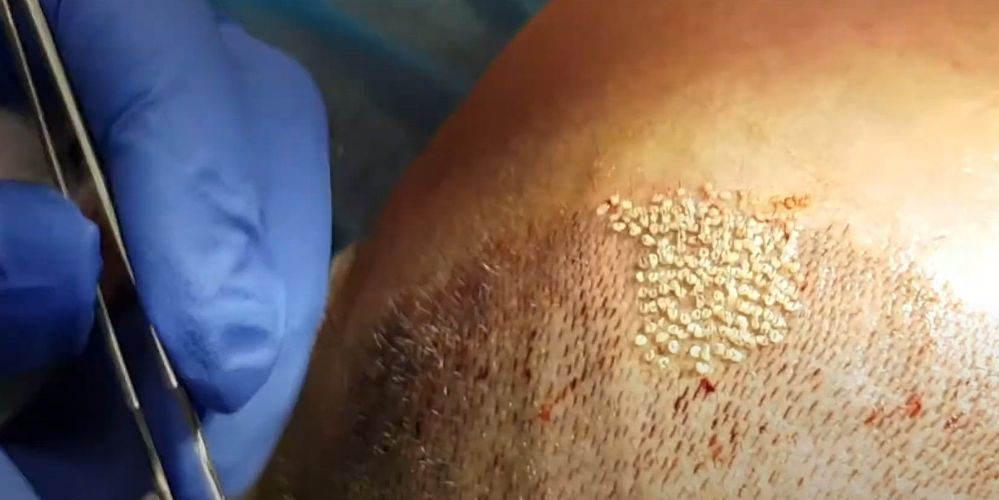
In 2020, at the age of 38, the entertainer finally got fed up with looking like the “egg man”, as he joked. So he opted for a hair transplant to fill in his bald frontal area, while also lowering his hairline in this process. Tubes shared photos of the procedure with his fans:
The operation was successful and Tubes was able to go home the same day to start his hair transplant recovery process. You can easily see the outline of the area where he had his grafts implanted in this photo taken soon after his surgery:
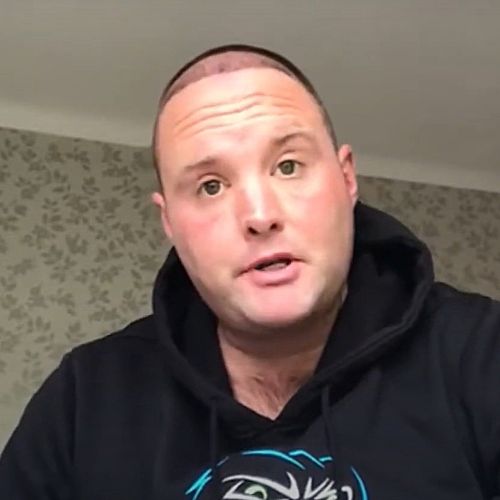
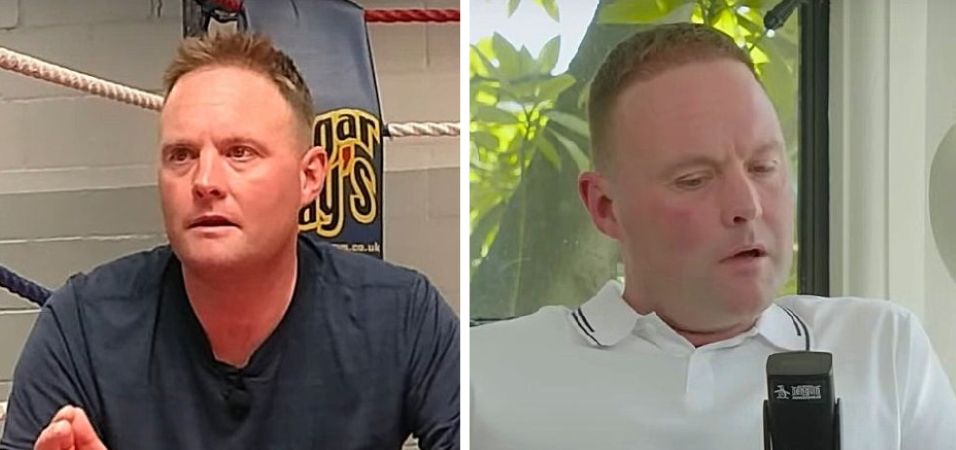
Finally, the wait paid off and Tubes’ hair started growing back 6 months after his procedure. By August 2021, approximately a year post-transplant, there was a visible difference to the entertainer’s hairline, which was much fuller, lower and straighter. However, these were probably not his final results, as the hair on his frontal area was still rather thin.
One year later, however, there was no more question that Tubes’ hair transplant had been a success. Peter’s hairline appeared impeccable once more, with great density and no signs of the previous hair thinning. It is unclear if Tubes’ surgeon recommended him to use hair growth medication such as Minoxidil or Finasteride after his surgery, but his frontal area seemed to hold up fine in the following years, with no need for a second hair transplant.
The recent years
In the past couple of years, Tubes has finally been able to wear short haircuts once more, without having to worry about concealing his frontal baldness. And with proper, long-term hair transplant maintenance, he should be able to enjoy the results of his hair transplant for years to come.
What kind of hair transplant did Tubes get?
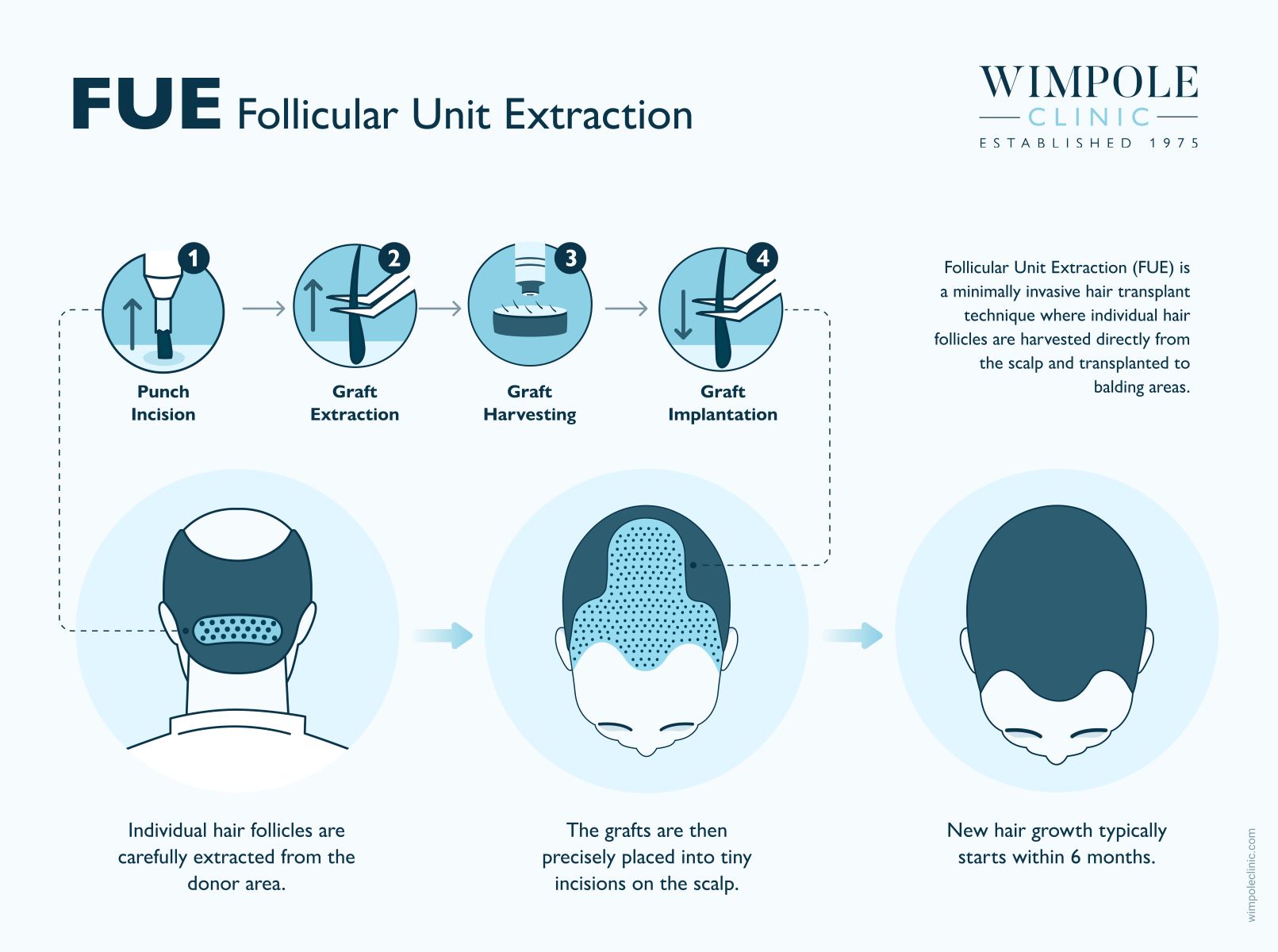
Tubes got a follicular unit extraction (FUE) hair transplant, which is one of the most popular hair restoration options available today. FUE involves harvesting individual hair grafts from the donor area, using a small tool, called a punch [4]. The surgical team then processes the grafts, trimming any excess fat and preparing them for implantation.
Finally, the surgeon creates small slits in the transplant area, emulating natural hair growth patterns, and inserts the hair grafts into them.
In the past, follicular unit transplantation (FUT) used to be the gold standard in hair restoration surgery. That procedure involved removing an entire strip of skin from the back of your head and cutting it up into small grafts which would then be implanted in the transplant area [4].
Nowadays, many patients prefer FUE to FUT, because it is less invasive, has a shorter recovery time and leaves virtually no scarring [4]. However, FUE surgery takes considerably longer and is more taxing on the surgeon, as grafts are harvested individually (although robotic hair transplants might soon change that).
How many grafts did Tubes get?
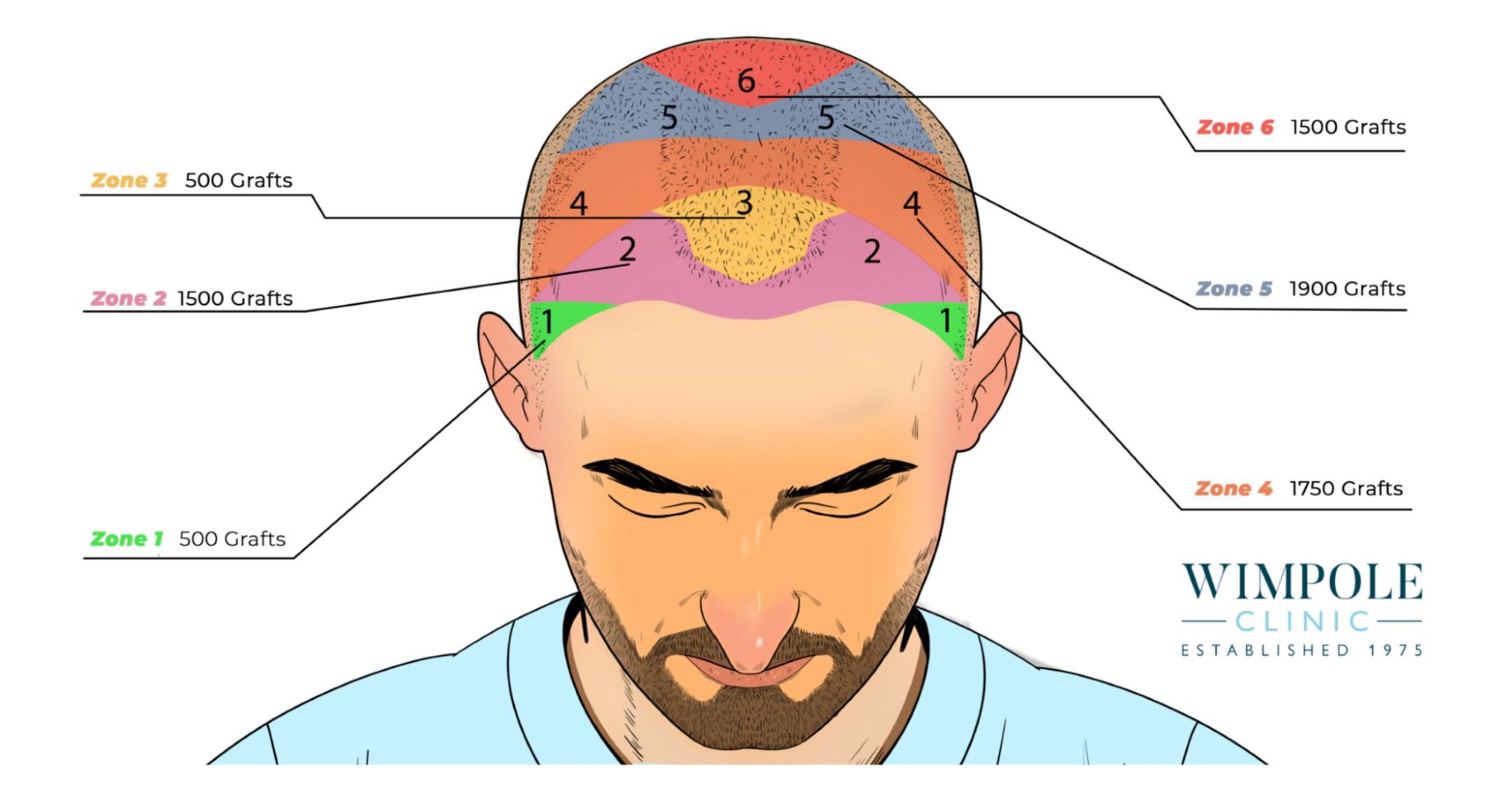
According to the clinic that performed the surgery, Tubes got a 2000+ graft hair transplant that covered his hairline and frontal area. Considering the extent of his hair loss, this seems to have been an appropriate volume that has given him good frontal coverage without putting him at risk of hair transplant overharvesting.
If you are curious how many hair grafts you might need, on average, to cover the different thinning areas of your scalp, the chart below can give you an idea: