


Medically reviewed by
Dr. Michael May (FRCS) — Updated on December 29, 2025
Dr. Michael May (FRCS) — Updated on December 29, 2025



Finding the right hair specialist
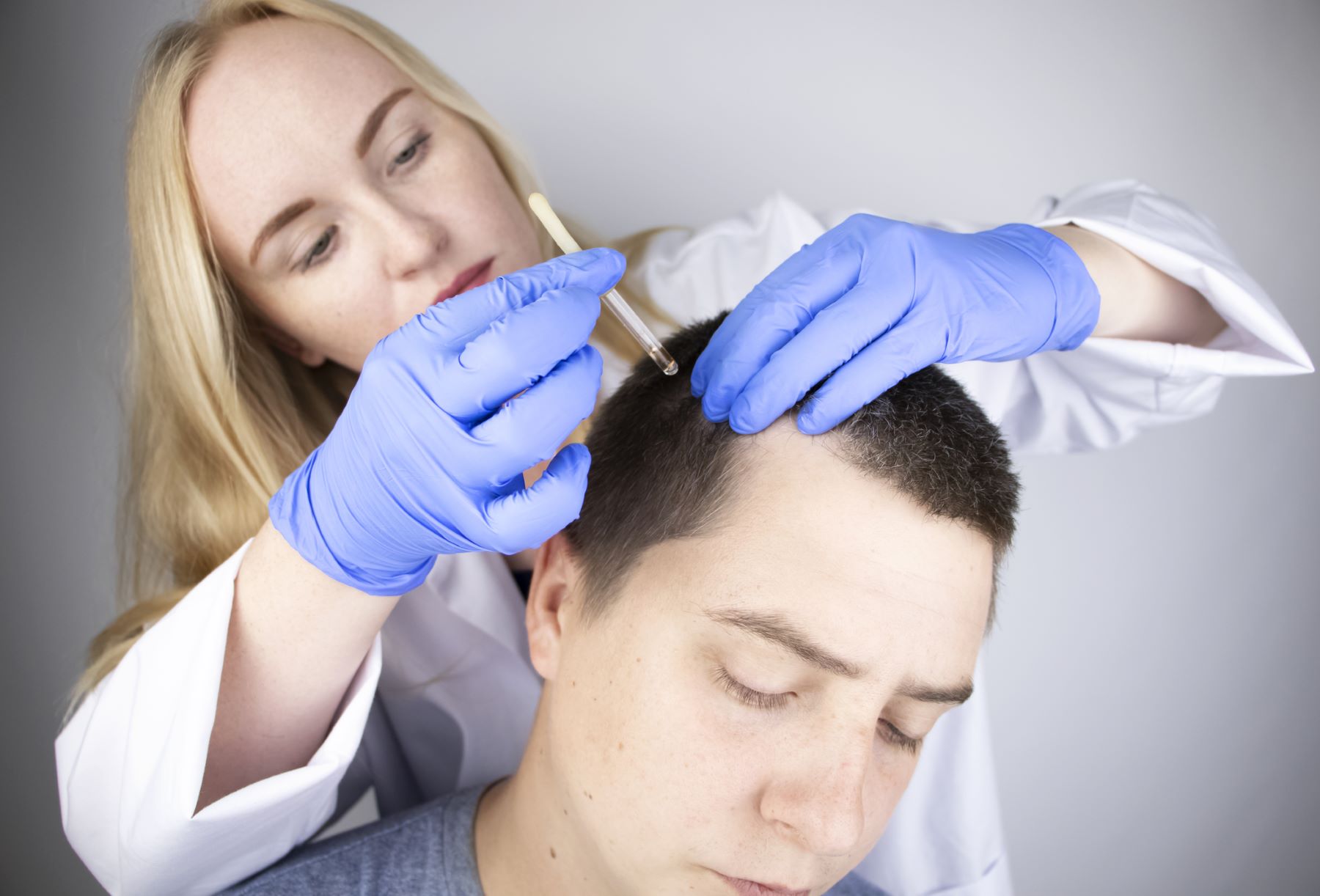
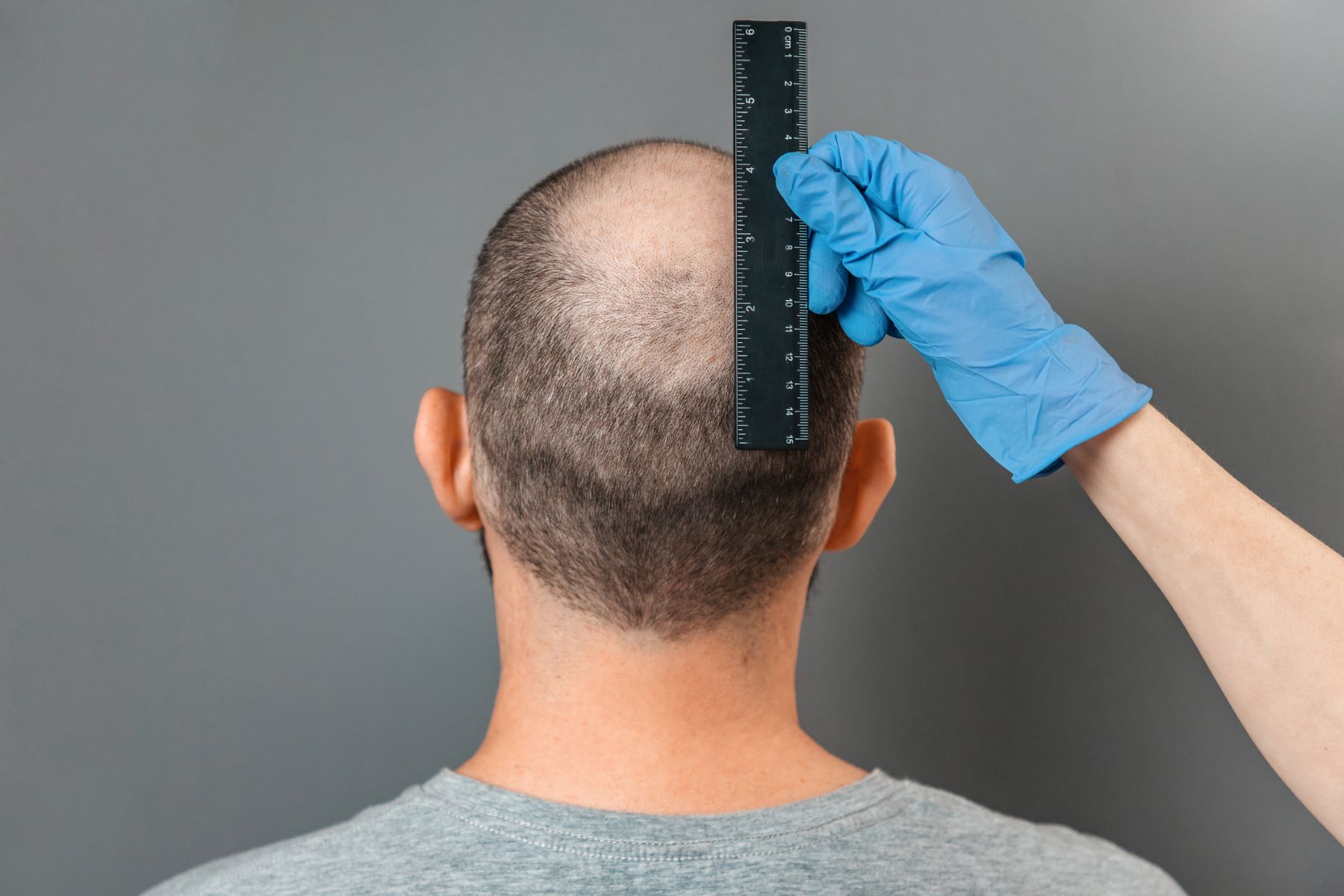
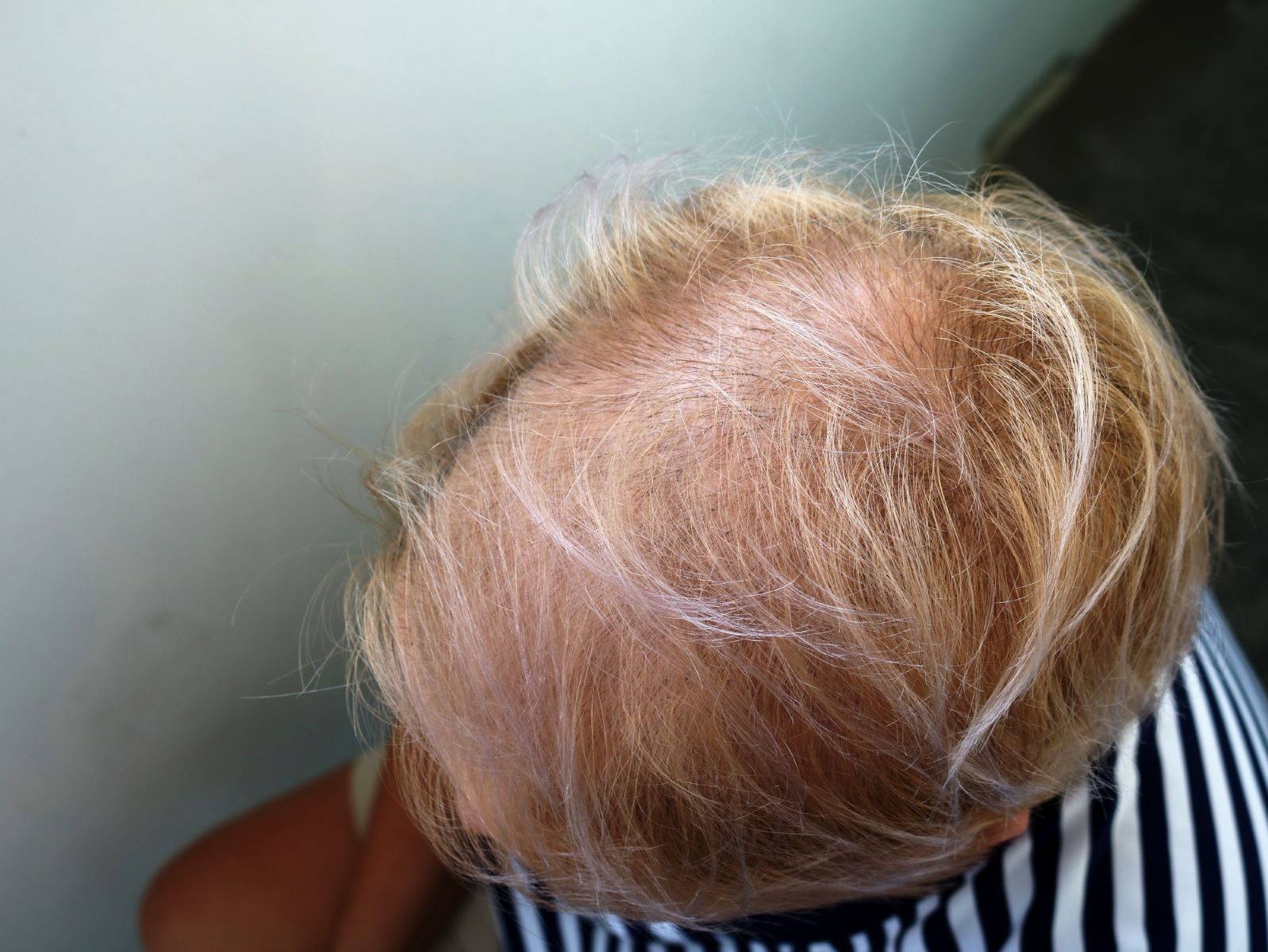
Whether you’re considering a hair transplant, alternative treatments or simply looking for some advice, our trichologists can help. They can provide expert advice on cutting-edge treatments, natural remedies for hair loss, such as the best diet for healthy hair, blood tests for hair loss, and referrals to some of the best hair transplant surgeons in the UK.
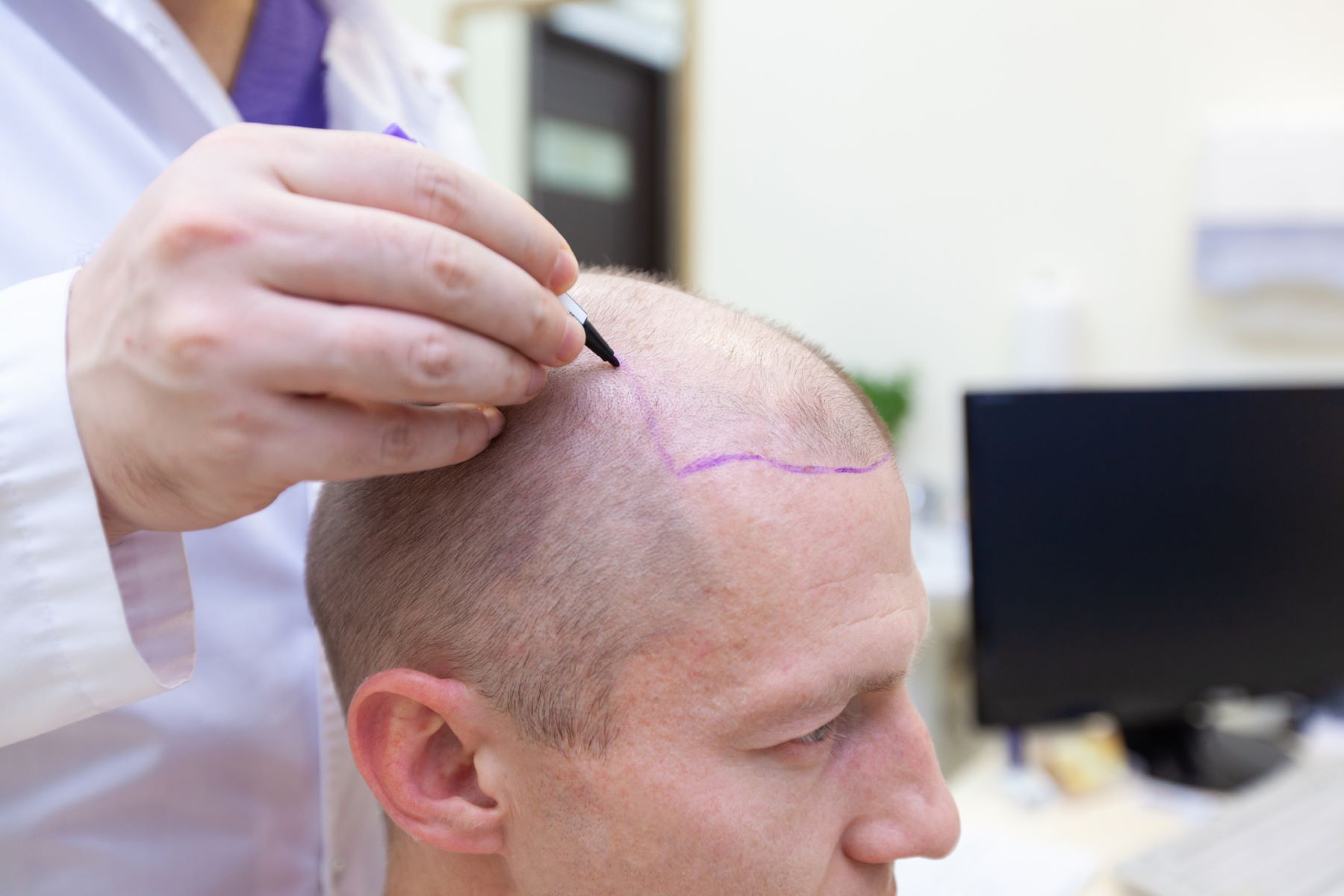
Wimpole Clinic offers two main types of hair transplant: follicular unit extraction (FUE) and follicular unit transplantation (FUT). It’s possible to get a natural-looking hair transplant without anyone knowing – check out our before and after hair transplant gallery to see what your new hair could look like.


Medically reviewed by Dr. Michael May (FRCS)
— Updated on December 29, 2025
The Wimpole Clinic offers FUE Hair, Beard & Eyebrow Transplants & Trichology.
Talk to a specialist ☎ 020 7935 1861.
Talk to a specialist ☎ 020 7935 1861.
Medically reviewed by
Dr. Michael May (FRCS) — Updated on December 29, 2025
Dr. Michael May (FRCS) — Updated on December 29, 2025
Book Your Free Hair Transplant Consultation
Simply fill in your details and we’ll get in touch with you shortly.