Can shampoo cause hair loss?
Shampoo and hair washing in general is rarely a direct cause of hair loss. The American Academy of Dermatology (AAD) doesn’t list any shampoos or ingredients that are commonly found in shampoos as causes of hair loss [2].
However, research suggests that certain ingredients can impair your hair. This includes antimicrobial agents, surfactants, and preservatives [3]. Here are some of the most common shampoo ingredients that can directly or indirectly lead to hair loss.
Sodium dodecyl sulphate (sodium lauryl sulfate)
Sodium dodecyl sulphate, also known as sodium lauryl sulfate, creates a lathering effect in many shampoos. This makes shampoo easy to apply and effectively cleanses your tresses.
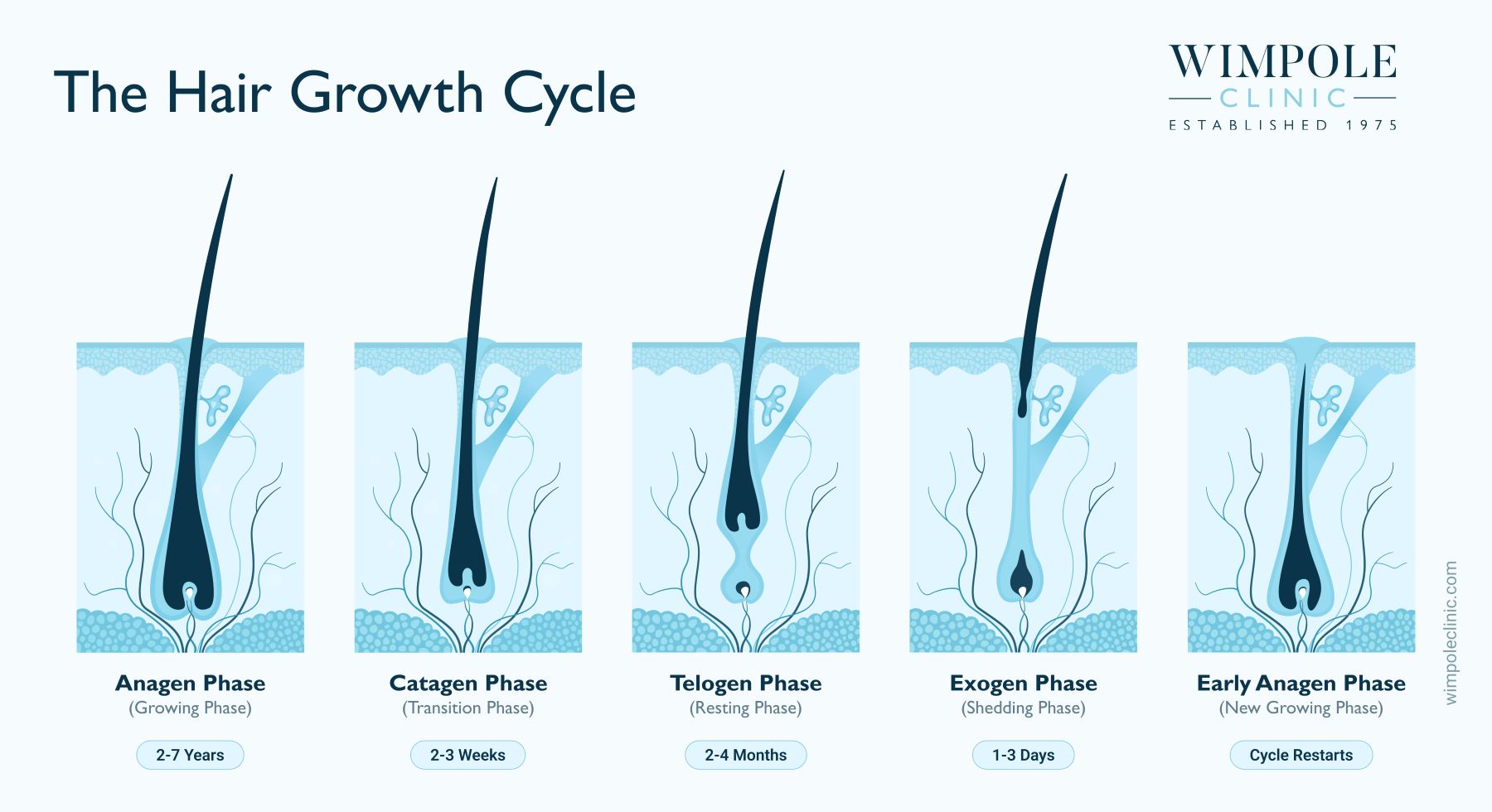
Some research shows that sodium dodecyl sulphate can cause your hair to lose protein [4]. Hair mainly consists of a type of protein called keratin. Loss of protein damages the keratin, leading to split ends and difficulty brushing your hair, which is why keratin for hair treatments are sometimes used. Breakage and inadvertently pulling out hair strands that aren’t in the telogen or exogen phases may lead to hair loss.
The more damaged your hair already is, the worse protein loss can be. So if your hair is already looking a little worse for wear, avoid shampoos that contain sodium dodecyl sulphate. Consider switching to a shampoo that contains sodium laureth sulphate instead — this is a common moisturising shampoo ingredient which is less irritating than sodium dodecyl sulphate [5].
DMDM hydantoin and formaldehyde
DMDM hydantoin, a common shampoo ingredient, has been in the news recently thanks to claims it causes hair loss. While it won’t directly cause your hair to fall out, there is some evidence it could lead to conditions that may impact your hair.
DMDM hydantoin is a preservative and antimicrobial agent which releases small amounts of formaldehyde into the product. These small quantities aren’t considered harmful to most people, although approximately 8-9% of people who come into contact with it may experience an allergic reaction [6-7].
This reaction often leads to contact dermatitis, a type of skin irritation [8]. While this won’t always cause hair loss, contact dermatitis of the scalp has been linked with telogen effluvium [9-10].
Selenium sulphide
This ingredient reduces itching associated with skin irritation, minimising the risk of hair loss related to dandruff and seborrheic dermatitis [11]. However, another study suggests shampoos containing selenium sulphide can actually cause diffuse hair loss (hair thinning) across the scalp [12].
Selenium sulphide has also been linked with scalp discolouration. Needless to say, while this is unlikely to cause hair shedding, it’s an unsightly side effect you probably want to avoid [13].
As a result, it’s a good idea to avoid shampoos containing selenium sulphide unless you have severe dandruff or severe scalp irritation. You should also avoid taking selenium supplements for your hair unless prescribed by a doctor or trichologist.