


Pubic Hair Transplant: Procedure, Costs, Results, Side Effects
The role of a pubic hair transplant is to restore hair to the pubic area. This procedure can reverse the effects of laser hair removal and treat a range of…

The role of a pubic hair transplant is to restore hair to the pubic area. This procedure can reverse the effects of laser hair removal and treat a range of…

Follicular unit extraction, or FUE, is the most popular hair transplant technique worldwide, producing natural-looking results in thousands of patients every year. FUE involves extracting each hair graft individually, leaving…

Thinking of getting a hair transplant at 25? There’s a lot of conflicting advice and information out there for people who are losing hair in their mid 20s. While you…

A hair transplant is the closest that science has come so far to a cure for baldness. When performed by a skilled, experienced surgeon, it is a safe and highly…

After an FUE or FUT hair transplant, most patients can return to work within 1-2 weeks, depending on the type of work, healing progress, and other individual factors. While some…
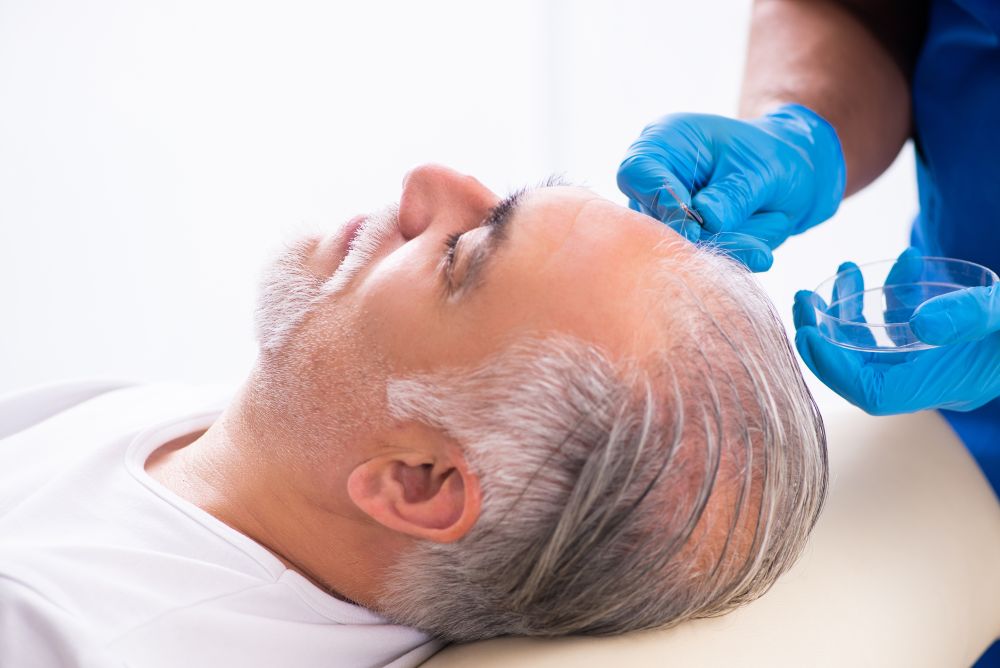
Hair transplant deaths are extremely rare, with no reported deaths in the UK. But they can occur when procedures are performed in unsafe conditions, especially in unregulated or unsanitary clinics.…

Hair transplants are usually unsuitable for alopecia areata patients, mainly due to unpredictable flare-ups and the possibility of spontaneous regrowth. In both cases, patients are likely to get unsatisfactory results…
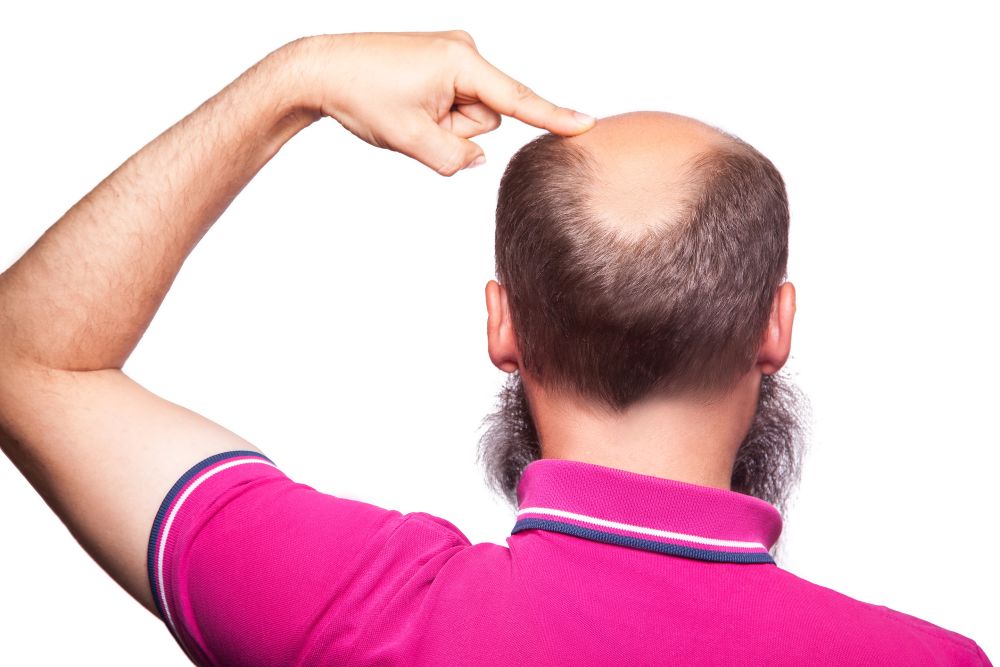
There’s no fixed limit to how many hair transplants you can have; the main constraint is the number of viable donor grafts, which is usually around 6000. Most patients need…
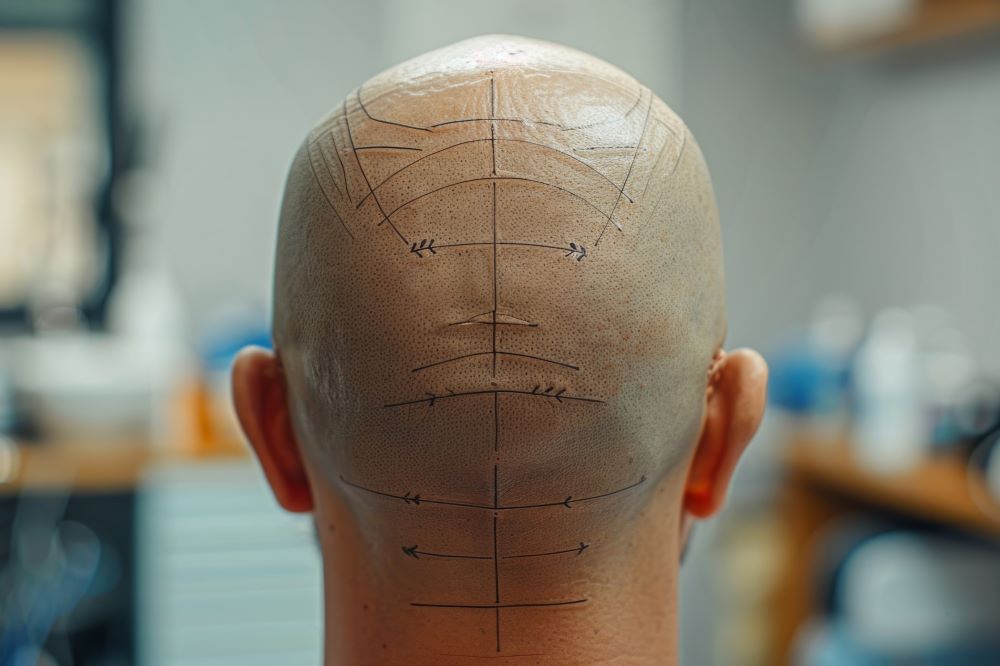
If you are one of the 85% [1] of men or 55% of women [2] to experience hair loss at some point in life, you may have considered the possibility…
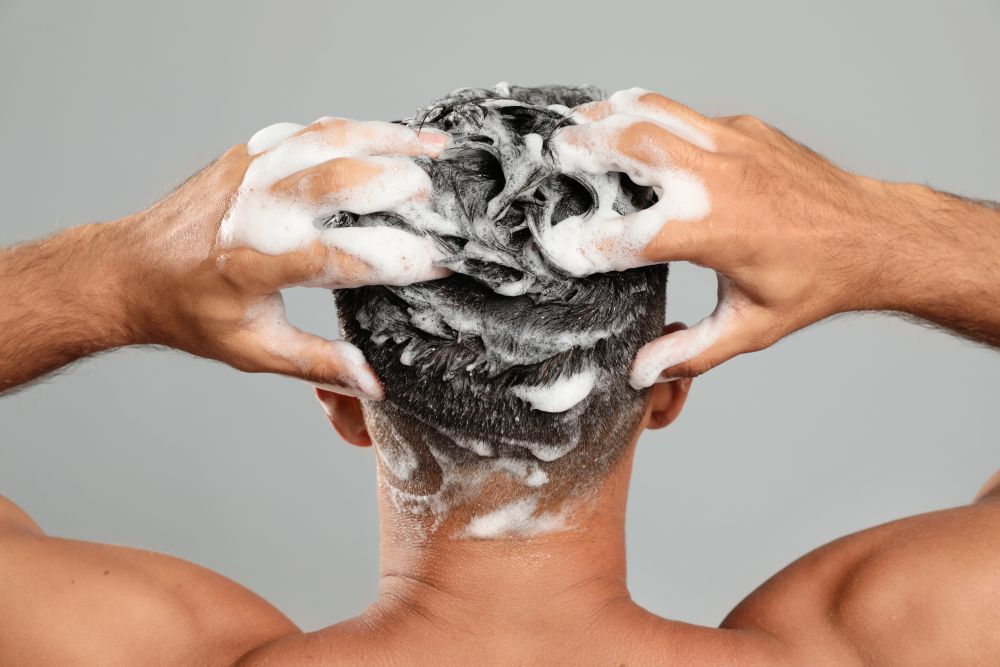
Washing your hair after a transplant is crucial for recovery and graft protection. It involves three stages: hands-free rinsing (days 3-5), gentle massage (days 6-10), and normal washing (day 11+).…

Having to shave parts of your scalp can be a problem if you’re trying to get a hair transplant without anyone knowing. Moreover, having visible hair transplant side effects, such…

When you’re considering surgical hair restoration, it’s important to know what your results can look like. Different graft volumes can achieve different coverage depending on hair colour, density, and texture.…
Most people only have up to 6000 harvestable grafts at the back of their scalp, so a 6000 graft hair transplant is normally the largest hair transplant you can safely…

5000 graft hair transplants are among the highest graft counts you can safely harvest and transplant. They’re only suitable for patients who meet precise eligibility criteria, and should only be…

A 500 graft hair transplant is usually the minimum number of grafts you can get in one session and is considered a small hair transplant. If you need fewer grafts…

A 2000 graft hair transplant is one of the best hair restoration options for those with moderate balding caused by androgenetic alopecia (pattern baldness). Good 2000 graft hair transplants can…

3,000 graft hair transplants are generally safe and suitable for those with moderate balding caused by male or female pattern hair loss. FUE, FUT, or a combination of both can…

If you’re considering a hair transplant, it’s important to understand how many grafts you’ll need for the results you want. A 4,000 graft transplant is usually recommended for people with…

A 1000 graft hair transplant is ideal for tackling mild to moderate balding caused by male or female pattern hair loss. 1000 grafts is a relatively small procedure, so it’s…

Hair loss is incredibly common. In fact, androgenetic alopecia (the most frequently encountered form of hair loss) affects 80% of men by the age of 80 [1] and over 50%…

Most patients can safely touch or rub their head around 14 days after a hair transplant, as the grafts are firmly anchored into the scalp at this point. However, if…

It is possible to undergo a hair transplant discreetly, but success depends on preparation, technique choice, recovery management, and clinic discretion. Planning ahead, following aftercare guidance closely, and choosing an…

A hair transplant can take anywhere from 4-8 hours in a single day, while some large procedures can span several days. The length of a hair transplant depends mostly on…

Male pattern baldness affects approximately 85% of men at some point in life [1]. While some can manage this condition with hair growth treatments, others require a permanent hair transplant…