


When Can I Rub My Head After a Hair Transplant?
Most patients can safely touch or rub their head around 14 days after a hair transplant, as the grafts are firmly anchored into the scalp at this point. However, if…

Most patients can safely touch or rub their head around 14 days after a hair transplant, as the grafts are firmly anchored into the scalp at this point. However, if…

It is possible to undergo a hair transplant discreetly, but success depends on preparation, technique choice, recovery management, and clinic discretion. Planning ahead, following aftercare guidance closely, and choosing an…

A hair transplant can take anywhere from 4-8 hours in a single day, while some large procedures can span several days. The length of a hair transplant depends mostly on…

Male pattern baldness affects approximately 85% of men at some point in life [1]. While some can manage this condition with hair growth treatments, others require a permanent hair transplant…

Preparing properly for a hair transplant can significantly impact your results. From medications to avoid, to lifestyle changes that support healing, this guide shares exactly what to do in the…

When you get a hair transplant, it’s important to take care of your new grafts while they settle in and take root. That means taking a few days off work…
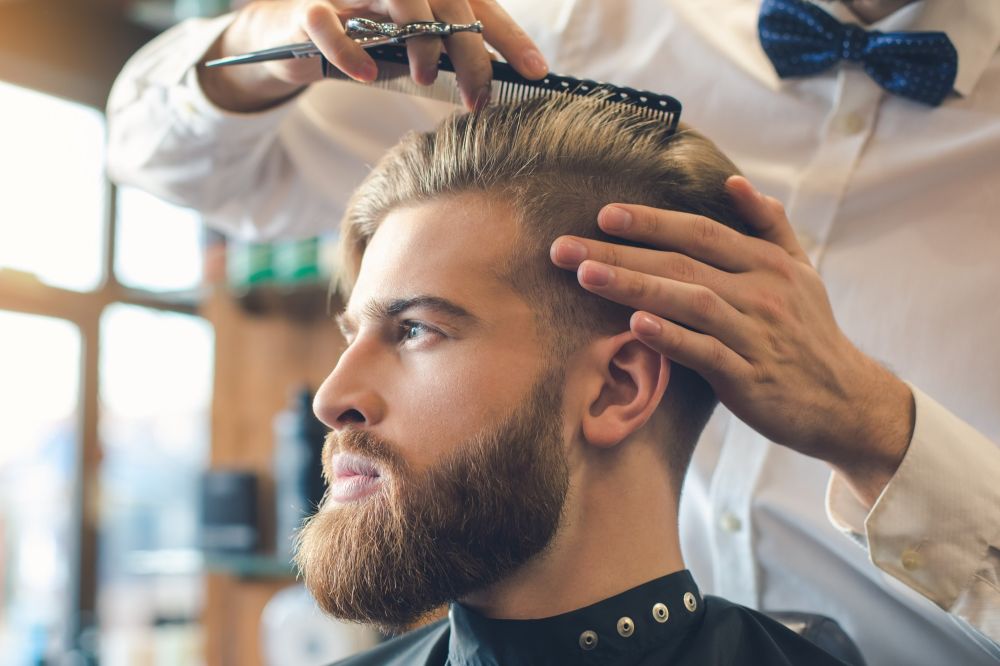
Hair loss affects more than 50% of men and women at some point in their lives [1]. Having a full head of luscious, thick hair is often seen as the…
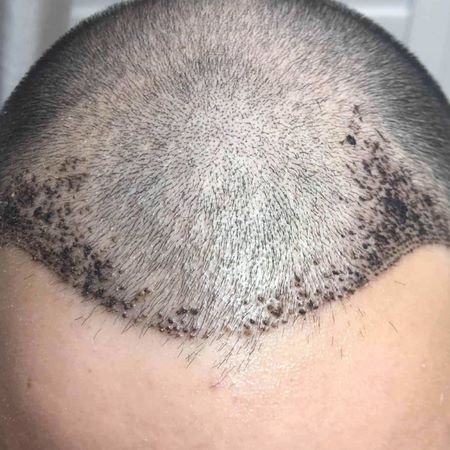
Having an itch that you cannot scratch can be very frustrating. And having an itchy scalp soon after a hair restoration surgery can add an understandable concern to the frustration.…
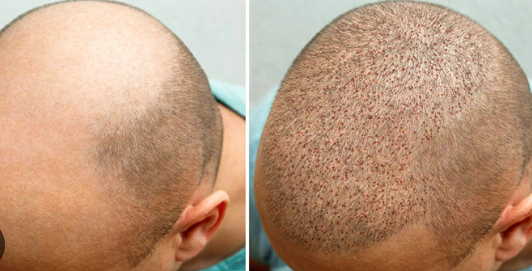
Many patients say that the first week after their surgical hair restoration is the hardest, as they are waiting for their scalp to heal. So what can you expect from…

A hair restoration surgery is normally safe and comfortable, as it is performed under local anaesthesia. However, most surgeons recommend certain medications to be taken after your hair transplant to…

One of the most frequently asked questions in our patients’ initial consultation is where the hair comes from for hair transplants. You’ll be relieved to learn that you won’t need…

Body hair transplants offer an alternative solution for patients who can’t have scalp hair transplants. This is often because their viable donor scalp hair has been used up, or the…
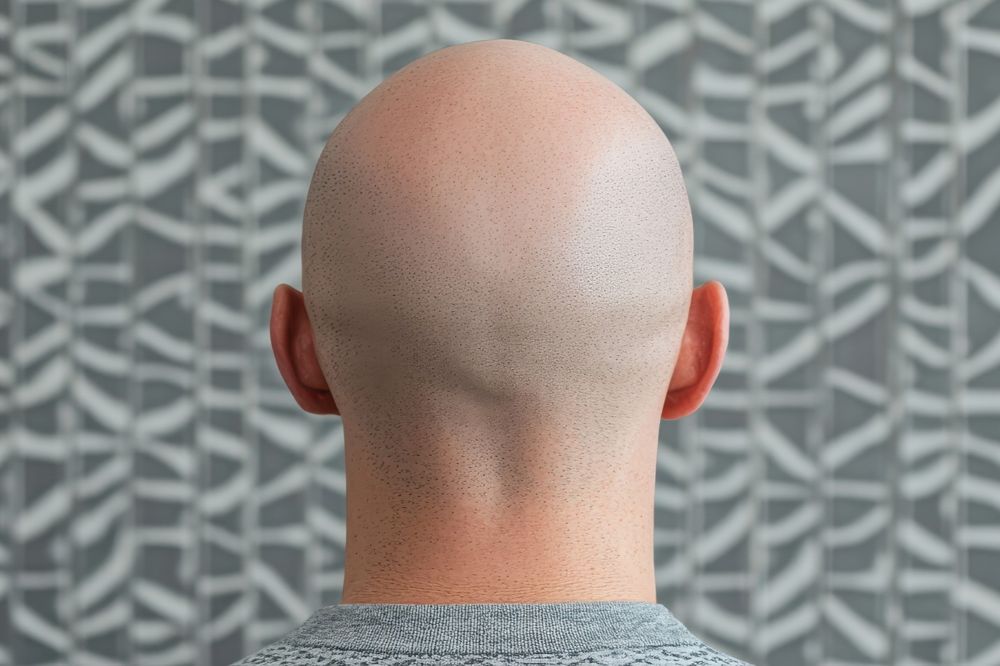
Fewer than 5% of hair restoration surgeries involve over 4000 grafts [1], so among well-reputed hair clinics, an 8000-graft hair transplant is almost unheard of. That is because most patients…
Many men who choose to have a hair transplant aren’t looking for a flowing Jason Momoa-style mane. They simply want full coverage across their head so they can style their…

Graft security is a key milestone in hair transplant recovery. This is the point at which your grafts are secure enough that you can return to most of your daily…

While minoxidil isn’t an essential treatment to use after a hair transplant, it is often recommended. It can reduce shock hair loss, accelerate growth, and limit native hair loss, so…

It’s important to rest for at least 10-14 days before exercising after a hair transplant. After 2 weeks, you can resume light jogging and cardio. Avoid more intense or risky…

Trypophobia is a condition in which you experience feelings of fear, disgust, or distaste when seeing clusters of small holes. While some hair transplant patients experience trypophobic feelings after their…
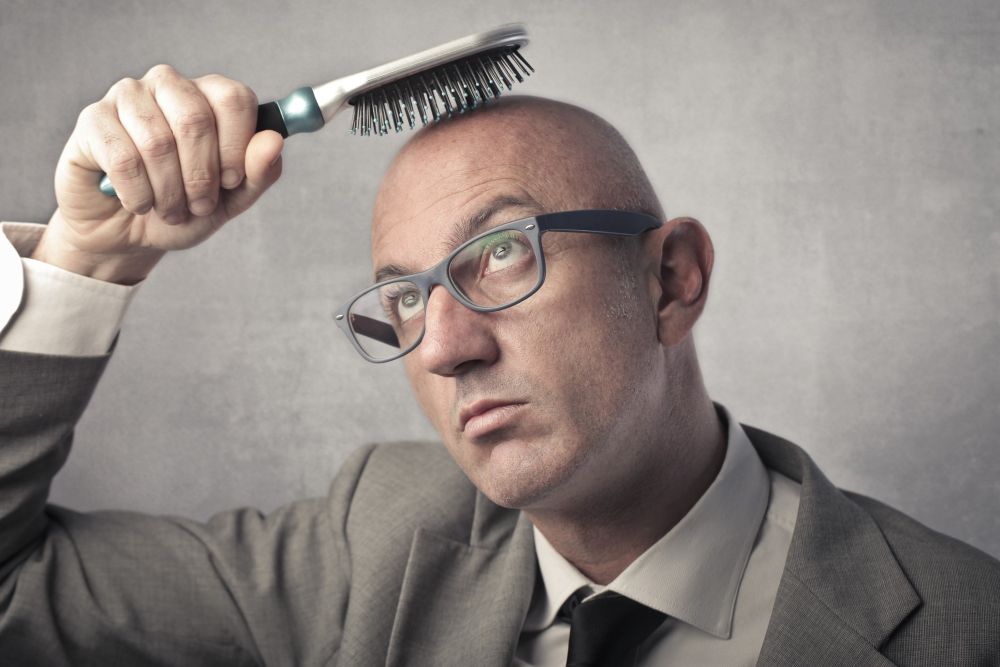
If you’re completely bald, you may assume a hair transplant isn’t possible. This is because, in order to perform a full hair transplant on the scalp, a surgeon will need…

It is a common hair loss treatment myth that hair restoration surgery can only help balding people. A forehead hair transplant can work as well to balance your facial proportions as it can to…

Two months after your hair transplant, you may be hoping to see results. Some people will start to see some new hair growth coming through at this stage, especially if…
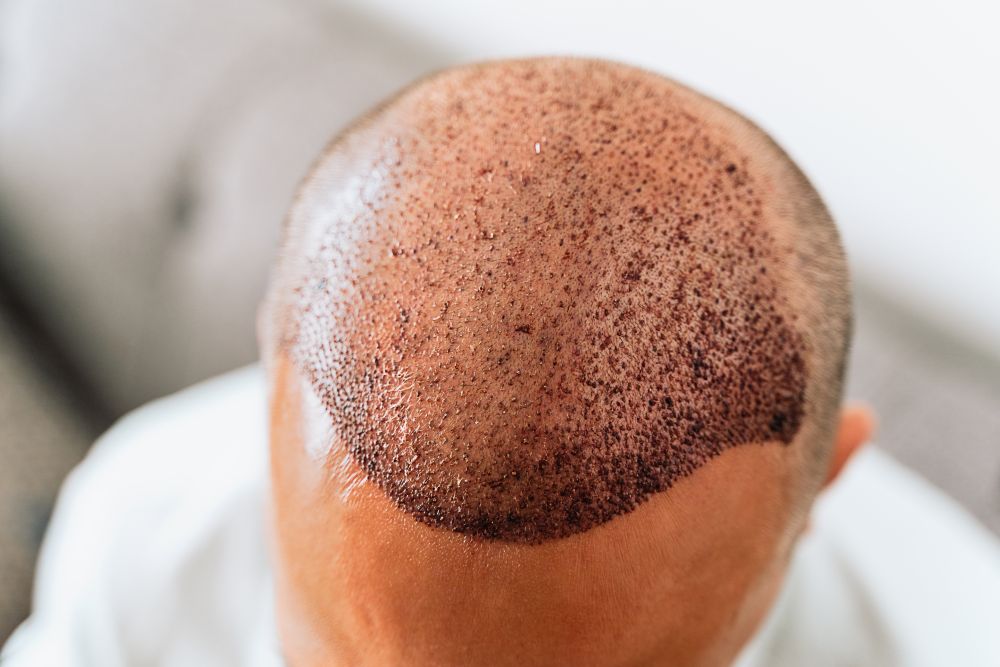
As with all medical procedures, there are certain things to expect after a hair transplant procedure. One such thing is hair transplant scabs, which often appear within 24 to 48…
It’s unusual for transplanted hair grafts to fall out a year after a hair transplant, but it can happen. Hair shedding at this point is normally due to native hair…

Almost all hair restoration surgery patients experience some hair transplant side effects, whether it’s soreness and scabbing after a hair transplant, or complications like infection. Serious complications are rare, as…