

Medically reviewed by
Dr Barry Abdelrahimsai (GMC) — Updated on July 24, 2026
Dr Barry Abdelrahimsai (GMC) — Updated on July 24, 2026
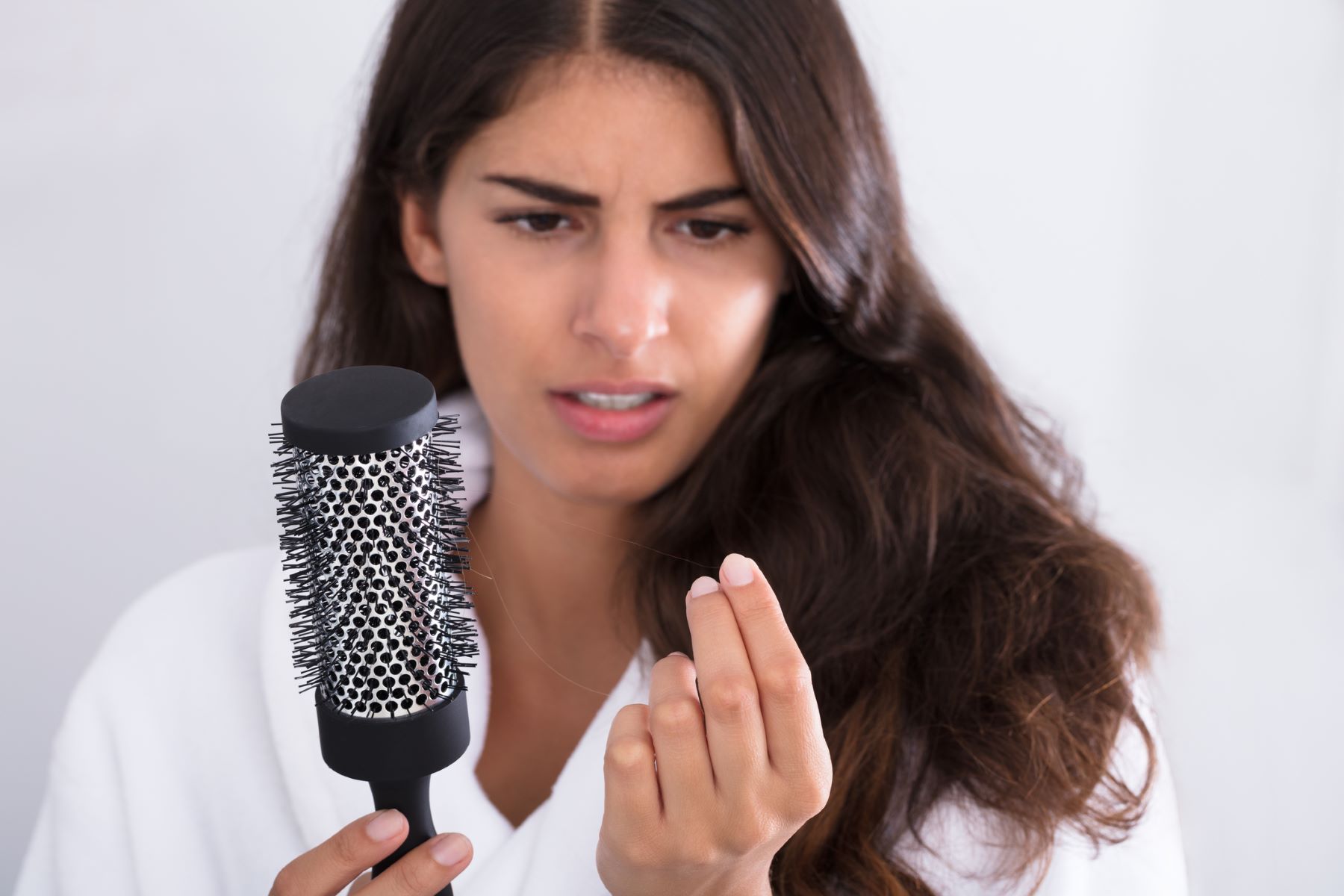




What can I do if the hair loss doesn’t go away 6 months after giving birth?
If you are still experiencing hair loss that lasts longer than 6 months after giving birth, you may be suffering from a non-pregnancy-related hair loss condition.
If you’re feeling concerned about your hair loss and you’re struggling to find the cause, our team of dedicated specialists can help. Our hair loss specialists are dedicated to providing all patients with the best of care. We can help diagnose the cause, assess the hair loss, and come up with a treatment plan specialised to your needs and goals. Contact us here to get in touch today.

Medically reviewed by Dr Barry Abdelrahimsai (GMC)
— Updated on July 24, 2026
The Wimpole Clinic offers FUE Hair, Beard & Eyebrow Transplants & Trichology.
Talk to a specialist ☎ 020 7935 1861.
Talk to a specialist ☎ 020 7935 1861.
Medically reviewed by
Dr Barry Abdelrahimsai (GMC) — Updated on July 24, 2026
Dr Barry Abdelrahimsai (GMC) — Updated on July 24, 2026
Book Your Free Hair Transplant Consultation
Simply fill in your details and we’ll get in touch with you shortly.