What is the difference between PRP and PRF for hair?
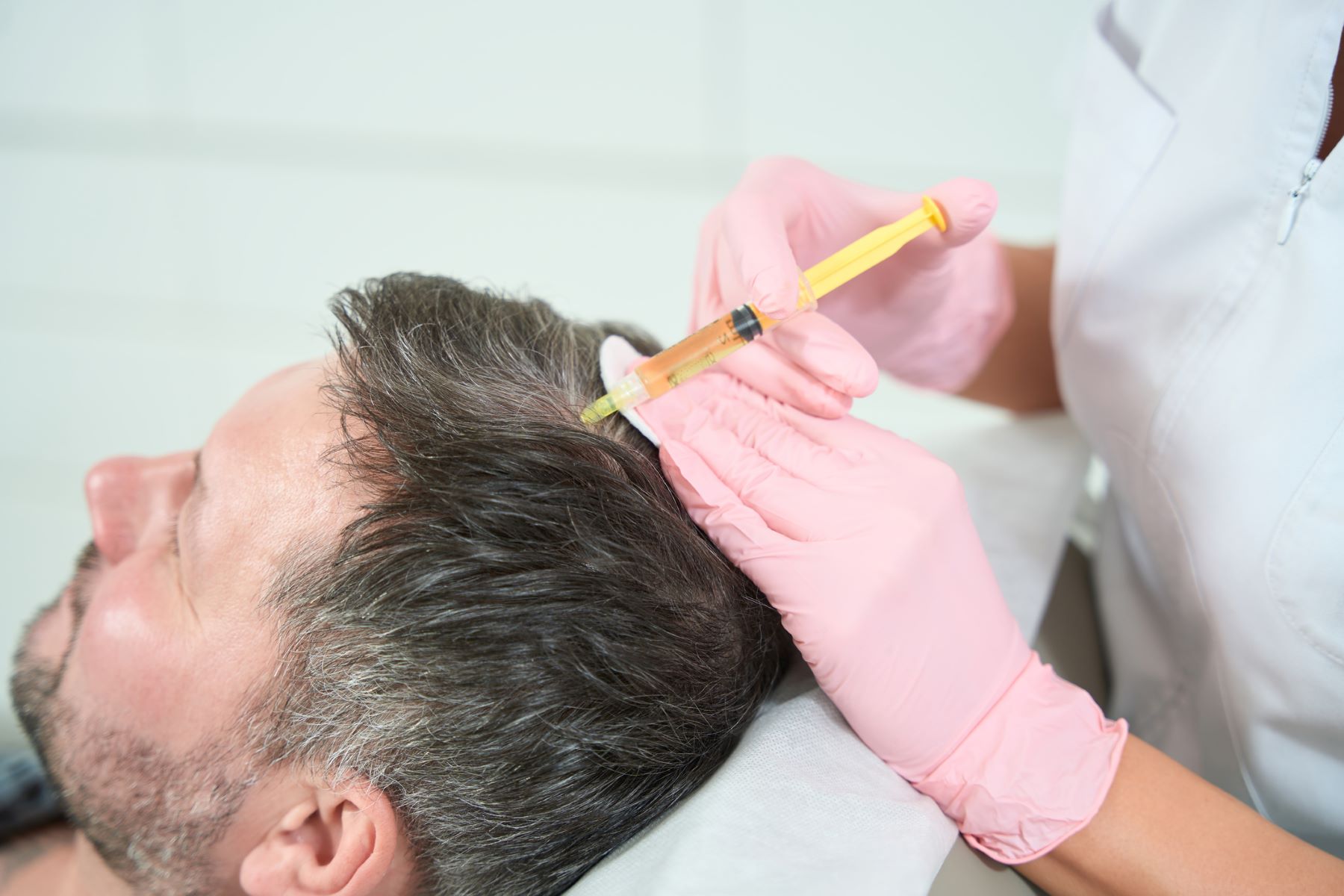
Both platelet-rich plasma (PRP) and platelet-rich fibrin (PRF) treatments for hair harness the regenerative properties of certain components in your own blood to repair your damaged hair follicles, reduce your hair loss and stimulate healthy hair growth.
Both of these treatments are obtained by drawing a small sample of blood from your arm and placing it into a centrifuge to separate the necessary blood components. However, while PRP is spun in a two-step centrifugation process at higher speeds, PRF is spun in a single-step process at lower speeds [2]. Furthermore, while an anticoagulant is used in the process of obtaining PRP, it is not used for PRF. This influences the composition of the treatment.
PRP only contains platelet-rich plasma that can regenerate your tissues and stimulate your follicles for hair growth. However, PRF also contains white blood cells and fibrin [3]. Fibrin is a protein that helps blood clot, preventing excessive bleeding when you are injured. In PRF, this protein creates a kind of mesh that keeps the platelets together, allowing them to be released more slowly over time.
That means that while PRP injections release the growth factors contained by the platelet-rich plasma at a faster rate into your scalp, PRF does so gradually, potentially allowing their regenerative effect to last for longer. That said, more research is needed to show the exact impact of slow-releasing growth factors on hair follicle regeneration [8].
How do PRP and PRF work for hair loss?
Both PRP and PRF for hair use the same kind of mechanisms in preventing your hair from falling out and helping it grow stronger and healthier. They rely on growth factors found in platelets to repair damage to your hair follicles [4][5].
These growth factors can also help regenerate the small blood vessels in your scalp that nourish your hair follicles and support the formation of new ones.
Healing hair follicle damage and improving the flow of oxygen and nutrients to your follicles fosters improved, healthier hair growth. This can counter the effect of hair miniaturisation. It also helps regulate your hair growth cycle, keeping your tresses in the growth phase for longer.
PRP vs PRF for hair loss – which is more effective?
More research is needed to determine whether PRP is more or less effective than PRF for various types of alopecia.
Few studies have been conducted to compare PRP and PRF hair loss treatments. One such trial was performed in 2024 [6] on 20 men with male pattern baldness. Half the patients were treated with 4 sessions of PRP spaced 4 weeks apart, while the other half received 4 sessions of PRF spaced 4 weeks apart.
Results showed that both treatments improved hair density and reduced hair loss significantly after 3 months of treatment. And while there were small differences in effectiveness in favour of PRF, they were not statistically significant, which means both treatments were likely as effective.
Additionally, a few lab studies compared the amount of platelets and platelet-derived growth factors found in these two treatments. One such study [7] found that PRF treatments normally contained comparable or higher levels of platelets and platelet-derived growth factors as PRP preparations.
While early studies suggest PRF may be more beneficial than PRP, it’s worth bearing in mind that PRF is in the very early research stages. PRP has been much more thoroughly studied.
What types of hair loss can PRP and PRF treat?
PRP has shown good results in curbing androgenetic alopecia in both men and women. It can also help treat alopecia areata, as well as speeding up hair regrowth in conditions such as telogen effluvium and traction alopecia [9][10][11].
Since PRF uses largely the same treatment mechanisms as PRP, it is likely that it may also help with the conditions listed above. However, clinical trials are needed to confirm this. At this time, several small studies indicate that PRF can increase hair density in male and female pattern baldness, and one study indicates it may also help regrow hair in alopecia areata [13].
Does PRP or PRF have more potential side effects?
Both PRP and PRF hair treatments share the same mild side effects, which is not surprising since they are very similar in nature. Here are some of the most common adverse reactions you might encounter:
- Pain or discomfort at the injection sites
- Minor bleeding or bruising at the injection sites
- Minor swelling and inflammation at the injection sites
- Mild, temporary headaches after treatment administration
One study compared the pain scores of both procedures but found no statistically significant difference between them [6].
What is the price difference between PRP and PRF?
Depending on the location and reputation of the clinic, both PRP and PRF have a similar price range: about £250 to £500 per session. However, in some places, PRF may be slightly more expensive than PRP, since this treatment is newer and considered more advanced.
Regardless of whether you are planning to get PRP or PRF for hair loss, some clinics may offer you a discounted price if you purchase several treatment sessions in advance.
Should I choose PRP or PRF treatment for my hair loss?
Only your trichologist can recommend the kind of treatment that is the most appropriate and effective for your particular hair loss situation. However, if you are trying to choose between PRP and PRF for hair loss, here are some pros and cons to help you make this decision:
Both PRP and PRF treatments contain growth factors that can heal your hair follicles and promote hair growth. However, PRP releases all these growth factors faster while PRF releases them more slowly, potentially making their effect last longer. However, more research is needed to determine the difference in effectiveness between these two treatments.
Some scientists believe that PRP should be used early on in the treatment of androgenetic alopecia, then switch to PRF to sustain the effect in later stages of treatment. That is because PRP’s higher levels of growth factors released faster can trigger the regenerative processes more rapidly. Then PRF’s slower release of growth factors over time can support the healing process and make the regenerative effect last longer. However, no experiments have yet been performed to confirm this.