Is there a way to prevent amitriptyline hair loss?
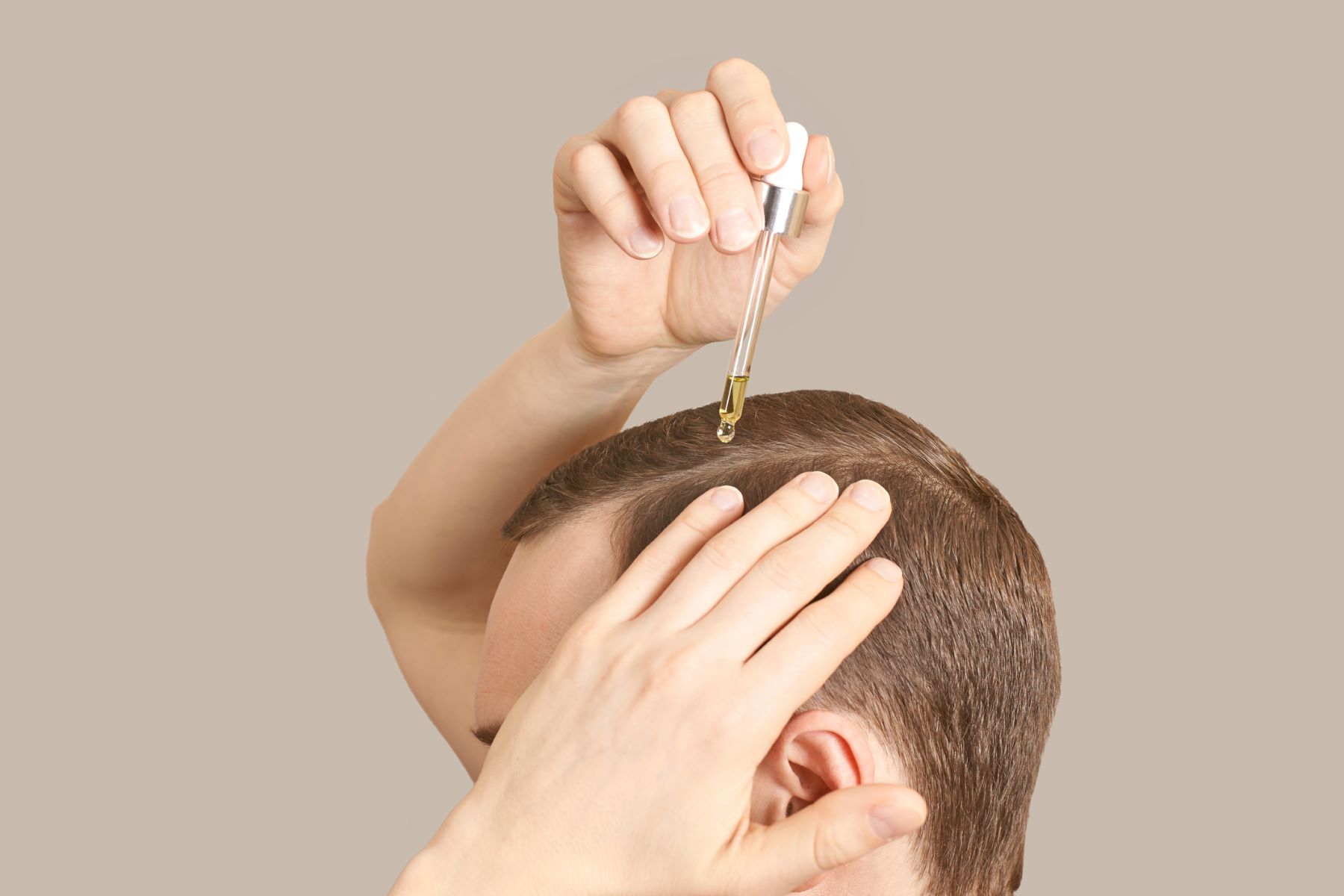
While this type of hair loss is unlikely, you can’t prevent it from happening altogether. But you can take steps to get healthier hair that is less susceptible to falling out. This can mean eating a better diet for healthy hair, engaging in safer hair styling practices or using some of the best essential oils for hair growth.
If you are considering using hair loss medication such as Minoxidil preventively, be sure to get a recommendation from your trichologist first, as it can interfere with other medications you may be taking.
Does a higher dose of amitriptyline increase your chances of hair loss?
Theoretically, higher doses of medications can increase the risks of unwanted side effects. However, the chances of experiencing significant hair loss caused by amitriptyline are very slim. The low number of reported cases did not encourage any studies to be conducted into the effects of different amitriptyline doses on hair loss.
If your healthcare provider has recommended a certain medication dose, it is important to take it as prescribed. Remember that any hair loss experienced isn’t likely to be permanent, so you can start looking for solutions if you encounter this adverse effect.
Should I stop taking amitriptyline if I notice it causes hair loss?
Never abruptly stop taking any kind of psychiatric medication without the guidance of your prescribing physician. It can have a significant negative effect on your health.
If you are experiencing adverse effects that bother you, such as hair loss, discuss this matter with your doctor and they will let you know whether there are other, equivalent but more hair-friendly treatment options for your condition.
Find out how to stop hair loss from antidepressants safely.
What other medication causes hair loss?
Many types of medications can cause hair loss or modify your hair texture. Here are some of the most common [14]:
- Some chemotherapy medications – Certain drugs used in the treatment of cancer can cause anagen effluvium. That is because the treatment is designed to attack rapidly dividing cells, such as those that make up cancerous tumours, but which also make up your hair strands.
- Other kinds of mood-stabilising medicines – for example, lithium has a 12% chance of causing alopecia, alongside potential changes in hair texture.
- Some anticoagulant medications – Some blood thinners (e.g. warfarin) can cause telogen effluvium or even trigger patchy hair loss.
- Some heart medications – drugs that lower your blood pressure (e.g. propranolol) can induce reversible diffuse hair thinning.
- Some oral contraceptives – research found that some progesterone-based birth control pills can cause hair loss or worsen pre-existing female pattern baldness. Moreover, telogen effluvium is often reported after discontinuing certain popular kinds of oestrogen-based oral contraceptives, as the female hormones they contain are believed to prolong the hair growth phase.
- Some antimicrobial medications – For example, certain tuberculosis treatments can cause diffuse hair loss, while some HIV treatments can lead to temporary alopecia universalis.
- Excessive vitamin A – While vitamin deficiencies can cause hair loss, taking too many supplements, such as vitamin A, can also cause hair loss.
Normally, medication-induced hair loss is temporary and resolves itself without intervention 3-4 months after treatment cessation. However, in some cases, hair loss treatments such as Minoxidil or PRP hair treatment may be needed to restore hair growth. If more than 6 months have gone by since you stopped the medication that caused your hair loss and you see no signs of regrowth, it is best to seek a trichologist’s advice.
How can I spot medication-induced hair loss?
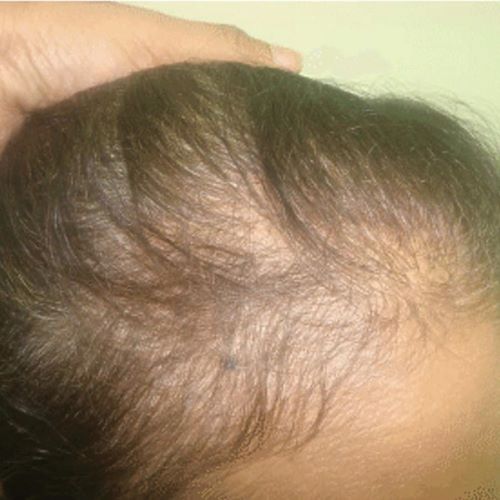
Some forms of drug-induced alopecia can be easy to spot, such as chemotherapy hair loss that can cause complete baldness on your head and in some cases, your face as well (alopecia totalis). However, in most cases, medication-induced hair loss is more discreet. It usually presents as diffuse hair loss, with thinning all over your scalp.
This is because treatments with this side effect cause disruptions in your hair growth cycle, pushing a higher-than-usual number of your follicles out of the growth phase and into the shedding phase. This leads to telogen effluvium. The good news is that in most cases, it is temporary and your hair growth will return once you have finished your treatment.
Androgenetic alopecia
Also known as female or male pattern baldness, this condition affects 85% of men [15] and almost half of women during their lifetime. It is caused by the excessive production of (or increased sensitivity to) a male hormone called dihydrotestosterone (DHT). This androgen binds to receptors in your hair follicles, making them shrink and eventually stop producing hair.
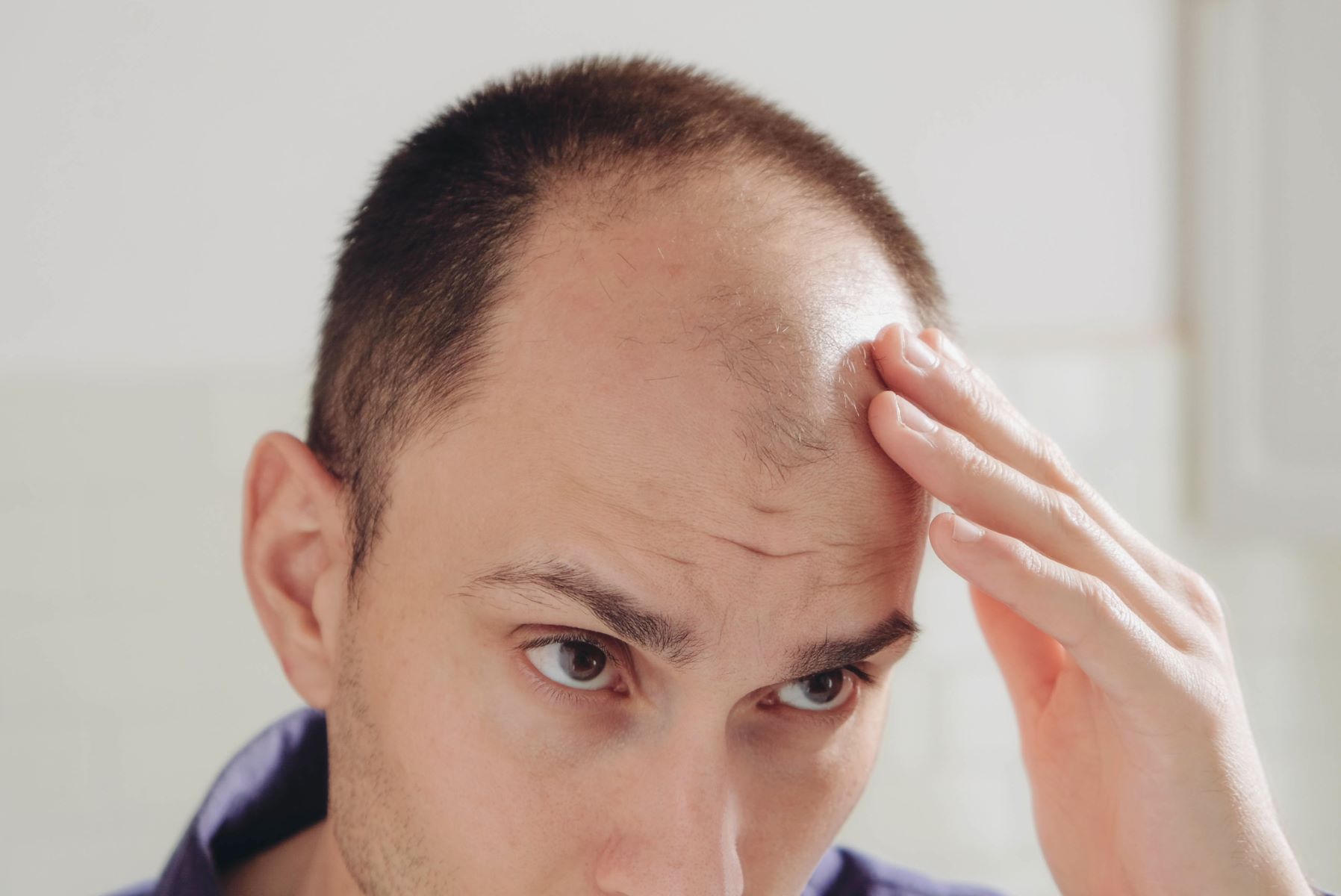
Common symptoms: In men, it usually manifests with a receding hairline, significant temple hair loss and a bald spot on the crown. In women, the hair loss is usually diffuse and there is a progressive widening of the midline parting.
Telogen effluvium (not medication-induced)
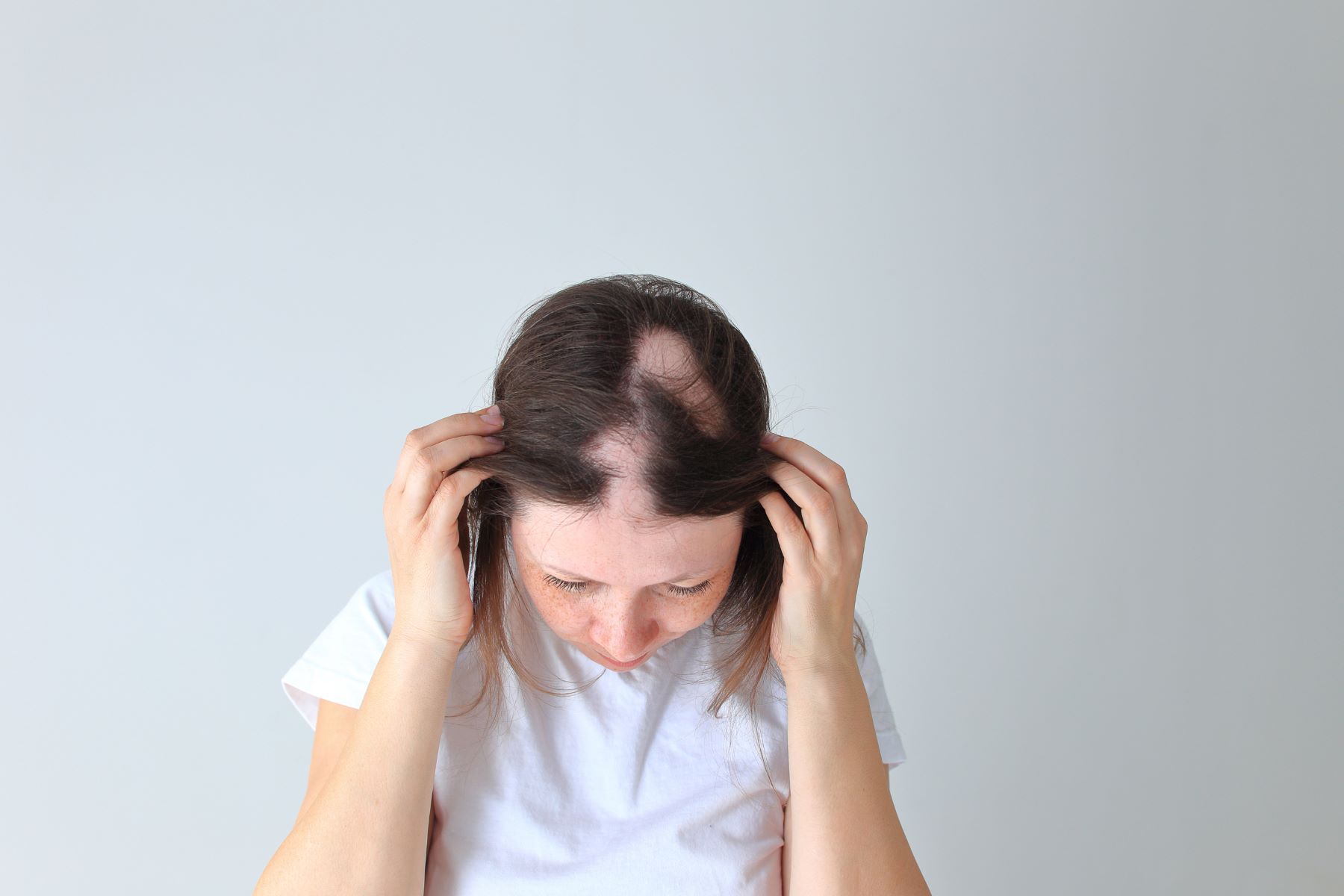
Medications are not the only things that can cause this condition, it can also be induced by powerful physical or emotional stress (e.g. illness, surgery, or mental trauma). When these events disrupt your hair growth cycle, hair follicles are pushed prematurely out of the growth phase and into the shedding phase.
Common symptoms: diffuse hair loss all over your scalp, and in some cases trichodynia.