Is my antidepressant causing hair loss?
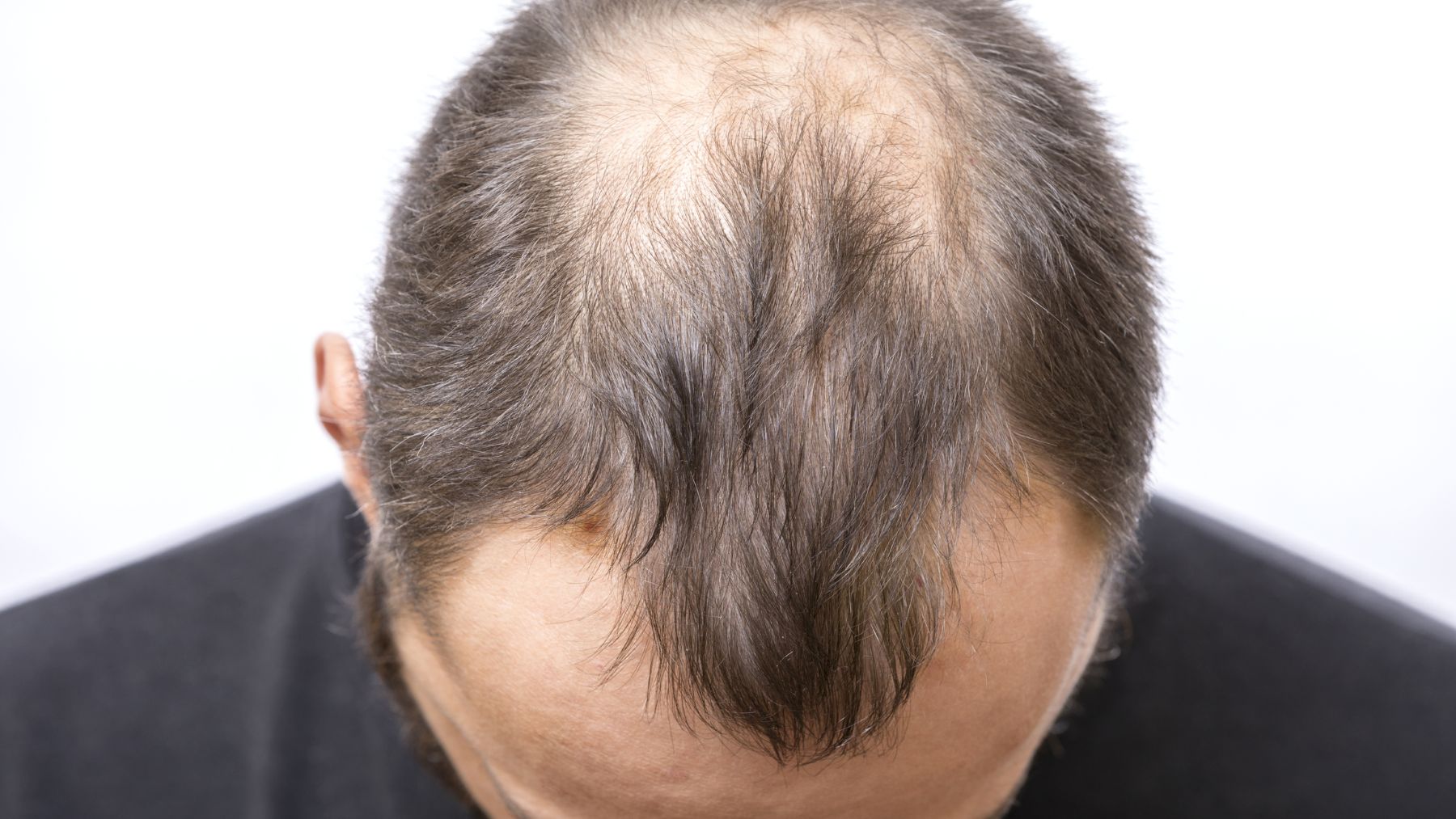
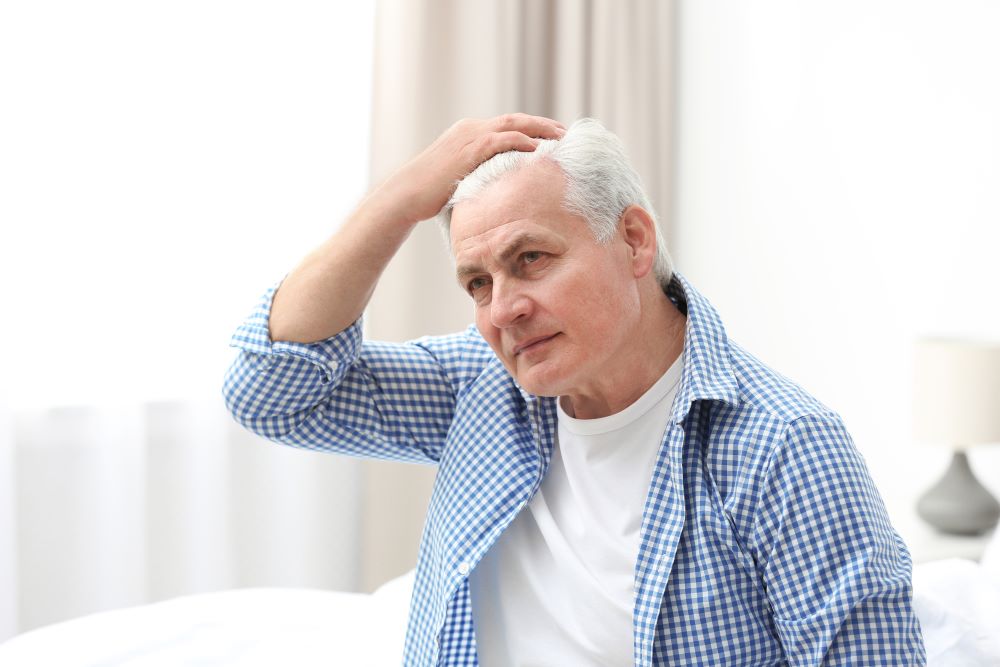
If you take antidepressants and you’re experiencing hair shedding, there’s a chance your symptoms may be due to your medication. Hair loss is an uncommon side effect of some antidepressants, but it does affect some people.
Your hair loss is more likely to be caused by your medication if you’ve recently started taking antidepressants or have switched to a new medication. Research suggests antidepressants can disrupt the hair growth cycle and, in some cases, lead to a type of hair loss called telogen effluvium [2].
Telogen effluvium is a hair loss condition where hair prematurely enters the telogen (resting) phase of the hair growth cycle. It can have several triggers, including [2]:
- Several types of medication, including antidepressants
- Childbirth
- Significant emotional stress
- Surgery or high fever
- Chronic medical conditions
- Weight loss and nutritional deficiencies
Fortunately, it’s a temporary type of hair loss. Symptoms tend to disappear once the trigger is no longer present.
How to stop hair loss from antidepressants
The quickest way to stop hair loss caused by an antidepressant is to stop taking the medication. However, this isn’t a good idea without medical supervision.
Stopping medication suddenly can cause withdrawal symptoms, or make the symptoms of your mental health condition return. Speak to your doctor for advice — it may be that you can switch to another type of medication that does the same job but doesn’t cause hair loss.
What if I need to stay on my medication?
If you’re taking antidepressants for a serious mental health condition, stopping or switching your medication may not be an option. Fortunately, there are other ways to address any hair loss you may be experiencing.
1. Switching medication
Sometimes, stopping hair loss from antidepressants is as simple as switching to a different brand of the same medication. Some formulations may have a higher dose of the active drug or be absorbed better in your stomach, which can explain this effect. You may also find your hair loss naturally reverses once your body gets used to the new medication you’re on.
2. Reducing your dose
In some cases, reducing your dose of medication may be enough to stop your hair loss. Again, this should not be attempted without the supervision of your doctor. Suddenly dropping your dose may cause other symptoms, or cause your mental health to deteriorate.
If you want to reduce your dose, your doctor can help you taper off gradually if they agree it’s safe. This may reduce your symptoms while protecting your mental and physical health.
3. Stress management
Antidepressants can cause hair loss, but so can stress. Significant physical or emotional stress can cause the same type of hair loss that could be caused by antidepressants [2]. Speak to your doctor about ways to reduce stress that work with your current mental health treatment plan.
4. Nutritional support
You need to eat a balanced diet for healthy hair growth. Make sure you’re getting plenty of nutrients like zinc, biotin, and iron, as well as your recommended daily allowance of other vitamins and minerals.
If you’re struggling to get enough nutrients through your diet, taking vitamins and other supplements may help. This is true if you have an existing deficiency such as iron deficiency anaemia, which is linked to hair loss [3]. Discuss any new supplements with your doctor before taking them, to make sure they don’t interact with your current medication.
5. Topical treatments
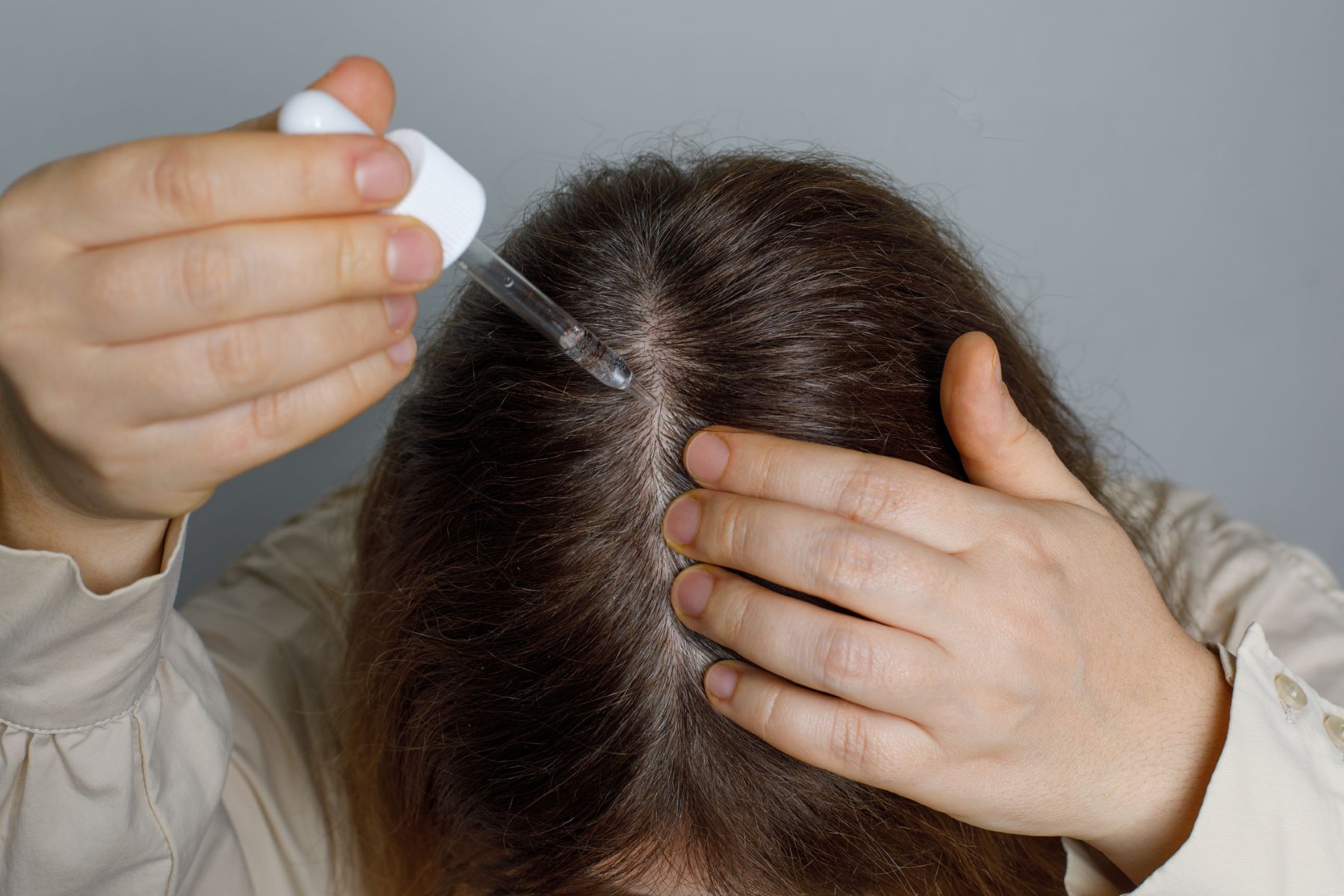
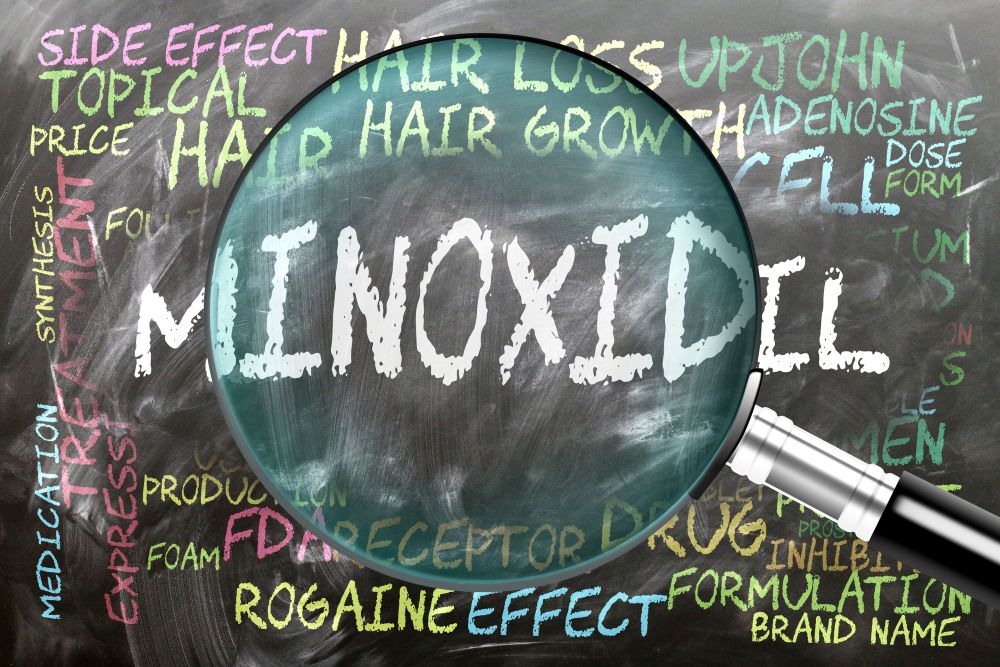
Over-the-counter medication such as topical Minoxidil may help to boost hair growth [4]. There’s also some research behind natural topical treatments such as caffeine shampoo for hair growth [5] and thyme oil for telogen effluvium [6], although current studies on thyme oil are limited and further research is needed to confirm its benefits.
6. Adjust your hair care routine
Taking care of your hair is vital to prevent hair breakage that can worsen the appearance of hair loss. Try not to use any harsh hair products, skip the chemical treatments where possible, try a shampoo for hair growth, and avoid excessive heat styling (which can lead to heat-damaged hair).
Which antidepressants can cause hair loss?
Some antidepressants have a higher chance of causing hair loss than others. Here are some of the antidepressants that are linked to hair shedding:
- Fluoxetine — Fluoxetine is a selective serotonin reuptake inhibitor (SSRI). This type of medication can sometimes cause hair loss.
- Sertraline — Another type of SSRI, sertraline can also cause hair loss.
- Other SSRIs — SSRIs like escitalopram and fluvoxamine, can also cause hair loss. However, hair loss is more common with fluoxetine and sertraline.
- Duloxetine — This medication is a type of serotonin epinephrine reuptake inhibitor (SNRI). It is used for anxiety, depression, and some kinds of pain. It can cause thinning hair in some cases [7].
- Other SNRIs — Venlafaxine and desvenlafaxine are used to treat significant depression. They can sometimes cause hair loss [7].
- Lamotrigine — This medication is usually taken for epilepsy or bipolar disorder. Hair loss caused by lamotrigine is not very common, but may be significant enough to make some people stop taking it [8]. You should always consult with your doctor before stopping any antidepressant to avoid withdrawal symptoms and health deterioration.
- Bupropion — This is often prescribed to help people quit smoking and for symptoms of depression. Research suggests it has some of the highest rates of hair loss among antidepressants [7].
What else could be causing my hair loss?
Hair loss is not a common side effect of antidepressants. Even if you’re taking antidepressants, your hair loss may be caused by something else, such as:
When to see a doctor about hair loss
If you’ve recently started taking a new antidepressant and you think you’re losing more hair than normal, it’s worth speaking to your doctor. Your doctor will be able to advise whether your medication may be causing hair loss.
However, hair loss is an uncommon side effect of antidepressants, and there’s a good chance that something else may be causing your hair shedding. If you’ve already spoken to your doctor, but you’re still experiencing hair loss, it’s worth booking an appointment with a trichologist.