Treat your scalp health problems
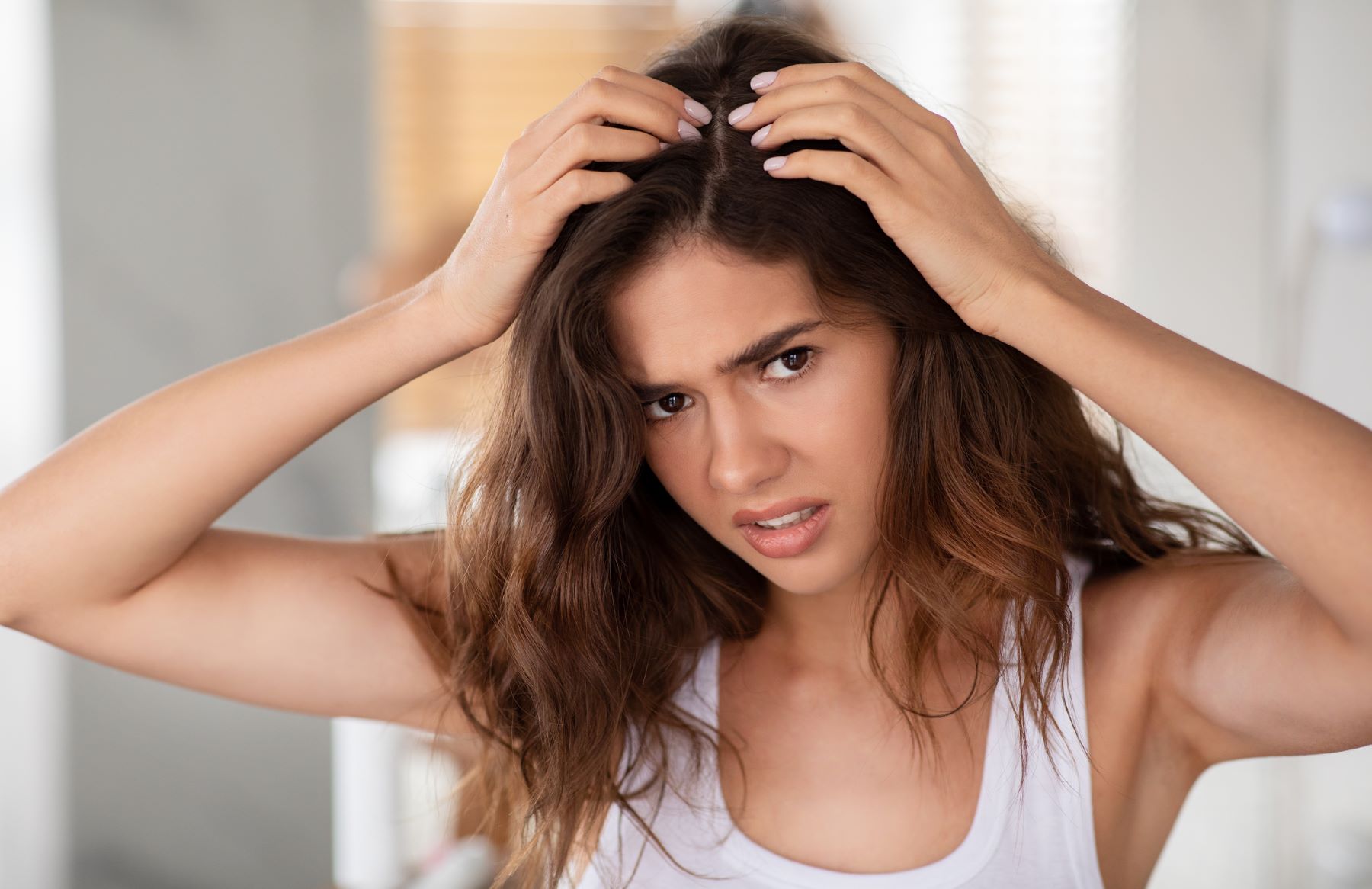
If you have reason to suspect that you have a yeast infection on the scalp or another condition that causes dryness (such as scalp psoriasis), don’t ignore the symptoms. This is especially true if you have tried to treat your dry scalp at home to no avail.
Seeing a dermatologist or trichologist and getting the right treatment recommendation will not only ease your discomfort, it will also help you get healthier, more beautiful hair.
Dry hair treatment tip: If you want to improve your scalp health but are unsure where to start, here is a comprehensive list of the most effective dry scalp treatments you can try.
Take a long break from heat styling
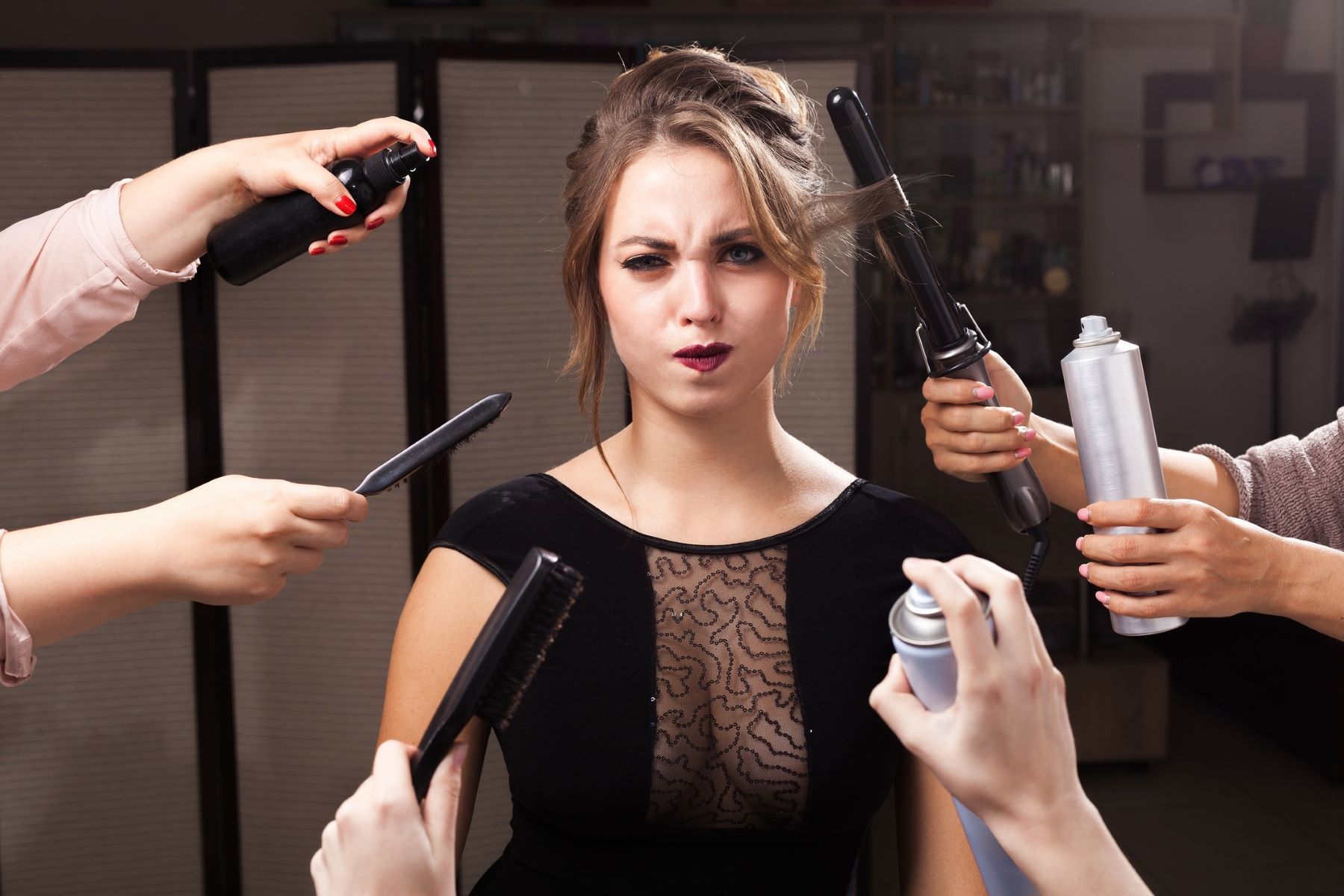
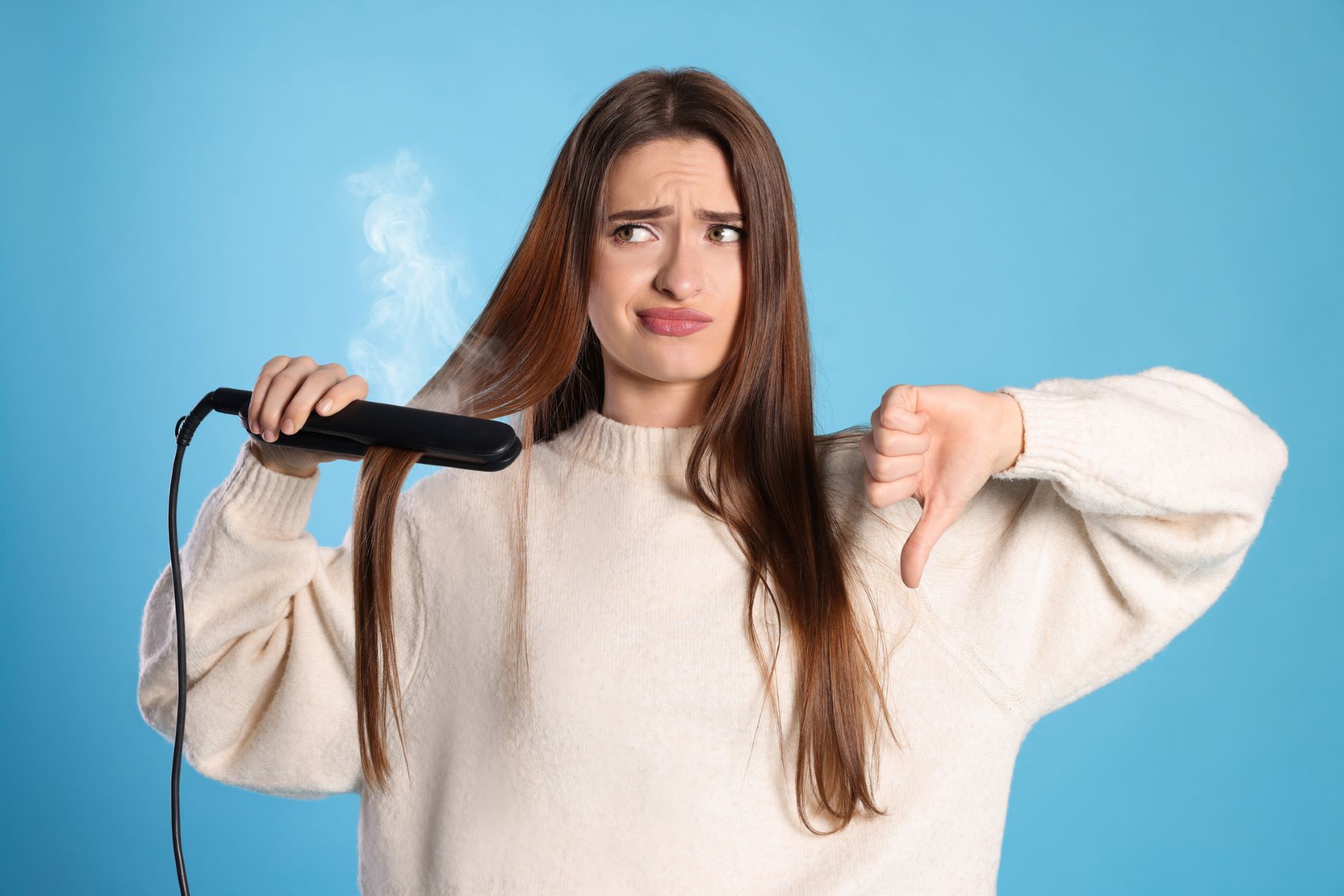
Curling or straightening your hair using heat-based appliances is easy, and can give you impressive results. However, it can also significantly dry out and damage your tresses [3][8].
When exposed to high temperatures, the moisture in your hair fibres evaporates, the cuticles get damaged, and small air bubbles can form inside the shafts, causing hair breakage [9]. Heat-damaged hair is extremely hard to fix and over time, you can end up with dead hair that can no longer be repaired.
Dry hair treatment tip: Don’t rely on commercially available heat-protecting hair products, as they don’t always prevent your hair from drying out. Instead, use heat-free styling methods which can yield very good results. These include traditional hair rollers, braids in damp hair, and using hair banding or hair relaxant creams (sparingly!) to straighten it.
Use gentle hair products
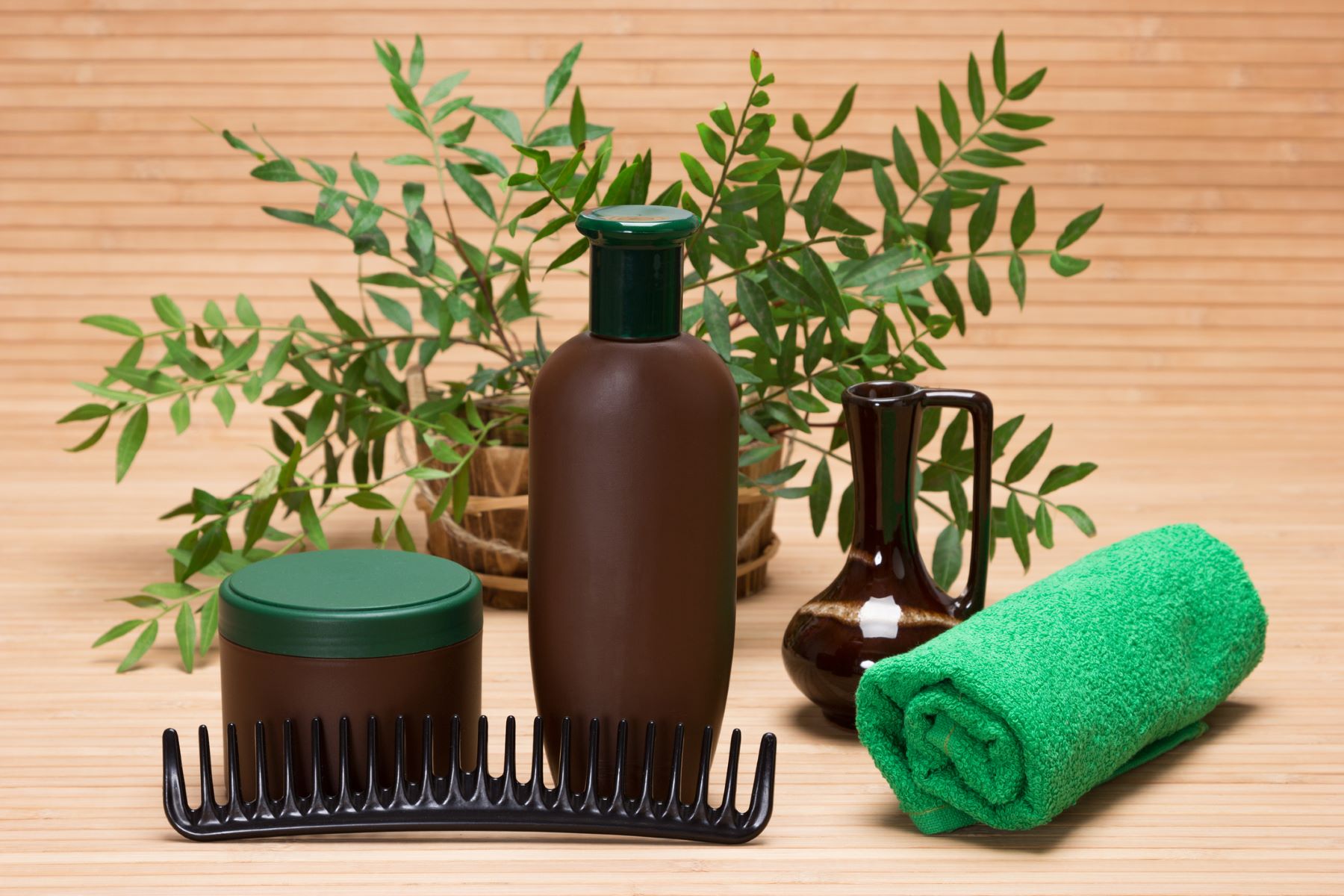
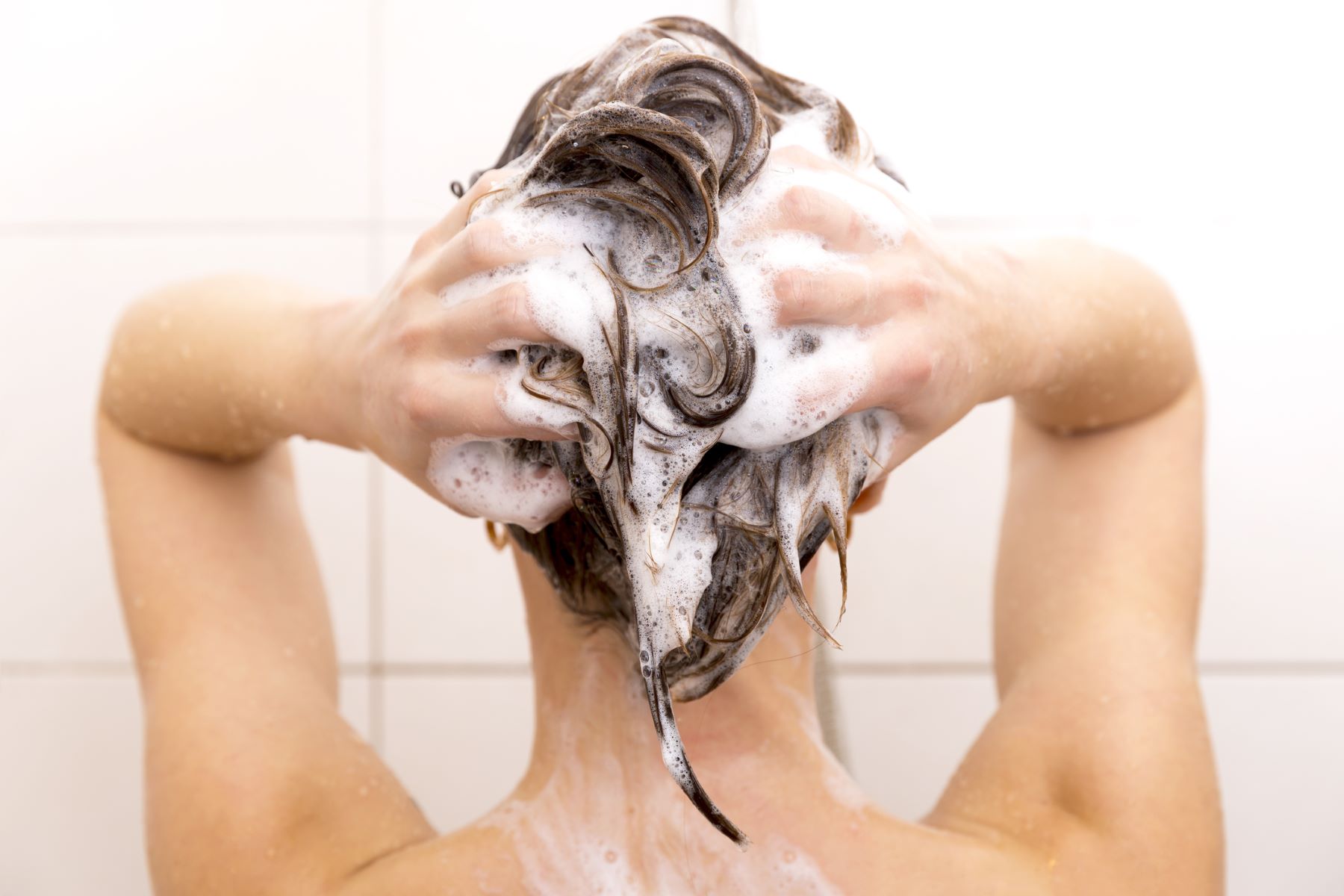
When your hair is dry, it is a good idea to use hair cleaning and styling products that are specifically designed for this condition. These are less likely to strip your hair of its natural oils or damage its structure. Always check the ingredient list and avoid buying products that contain potentially harmful substances, such as sulphates, non-fatty alcohols, or parabens.
Dry hair treatment tip: Your shampoo may be your most frequently used hair care product, so it is important that it is gentle and does not dry out your hair. Here is a list of the best shampoos for dry hair, which can also help you strengthen and repair damaged tresses.
Trim your ends regularly
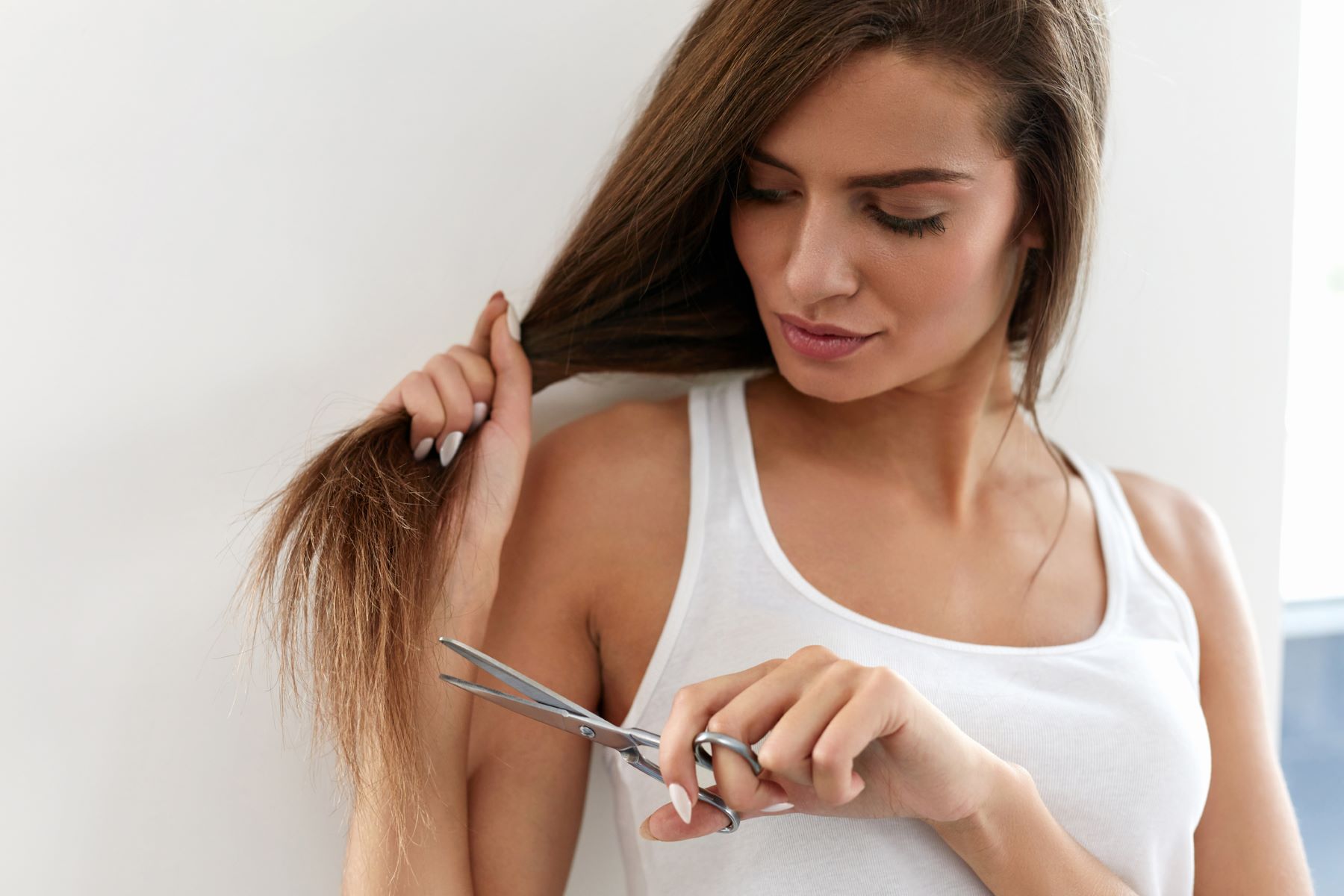
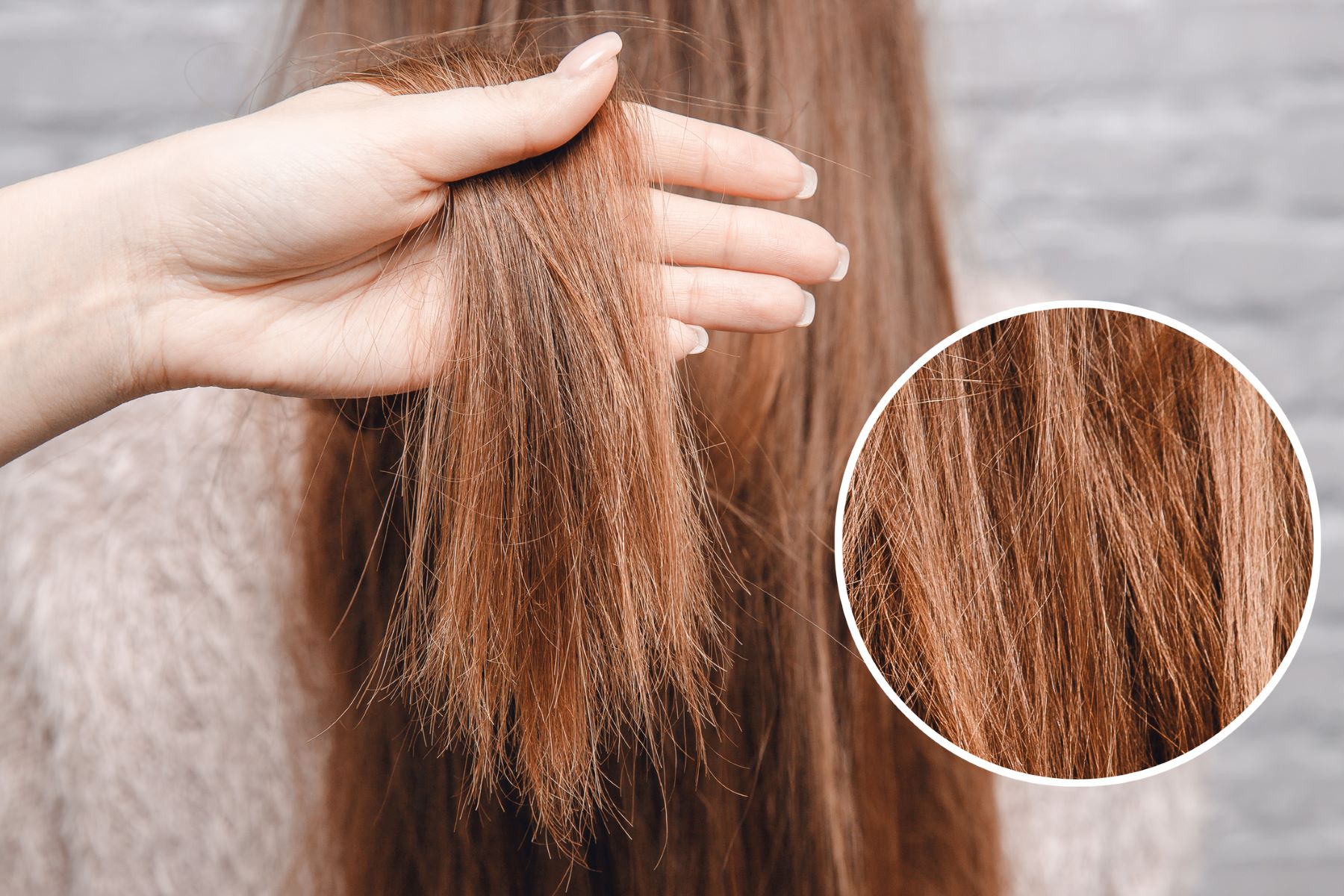
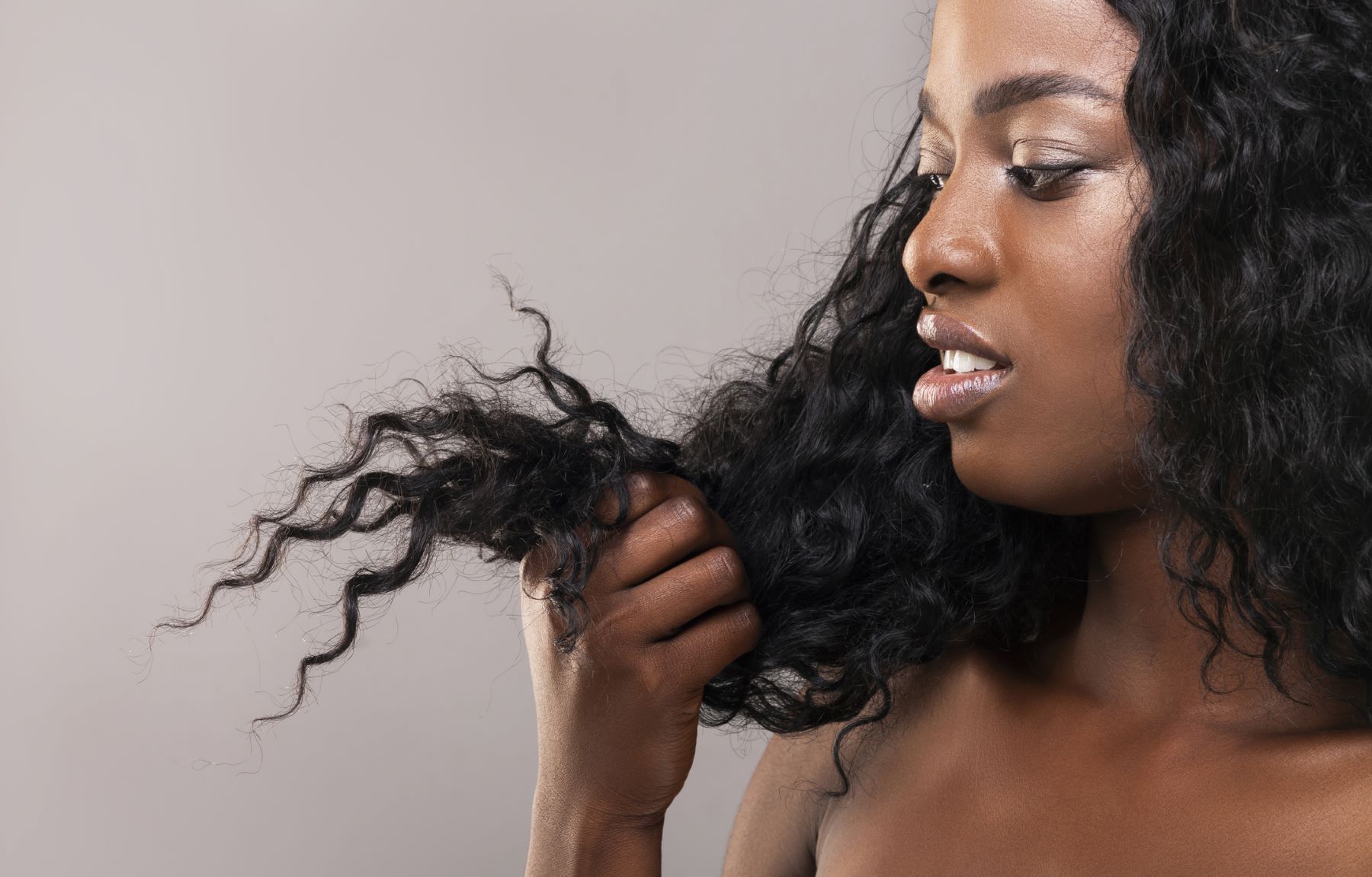
People with dry, damaged hair often experience split ends, uneven length and frizz towards the lower parts of their tresses. Brittle strands can rub against clothing and each other and break off. If this happens, even if you treat your dry hair, the damage will already be done.
To make it look even, smooth and beautiful, remove your split ends by trimming them at least once every 2-3 months.
Dry hair treatment tip: Sometimes dry hair is also severely damaged, as a result of exposure to heat, harsh chemicals or UV radiation. When this happens, it may be impossible to save. So the best way to restore your locks is to get a shorter haircut, removing any dead hair to ensure your remaining hair is healthy and full.
The best ways to prevent your hair from drying out
Finding the right dry hair treatment is only the first part of the battle. You also need to take additional steps to ensure that this problem does not return. This requires a holistic approach, which encompasses dietary, styling and protective measures. Here are some of the best lifestyle and hair styling changes you can make to prevent your hair from becoming dry once more.
Eat a healthy, nutritious diet
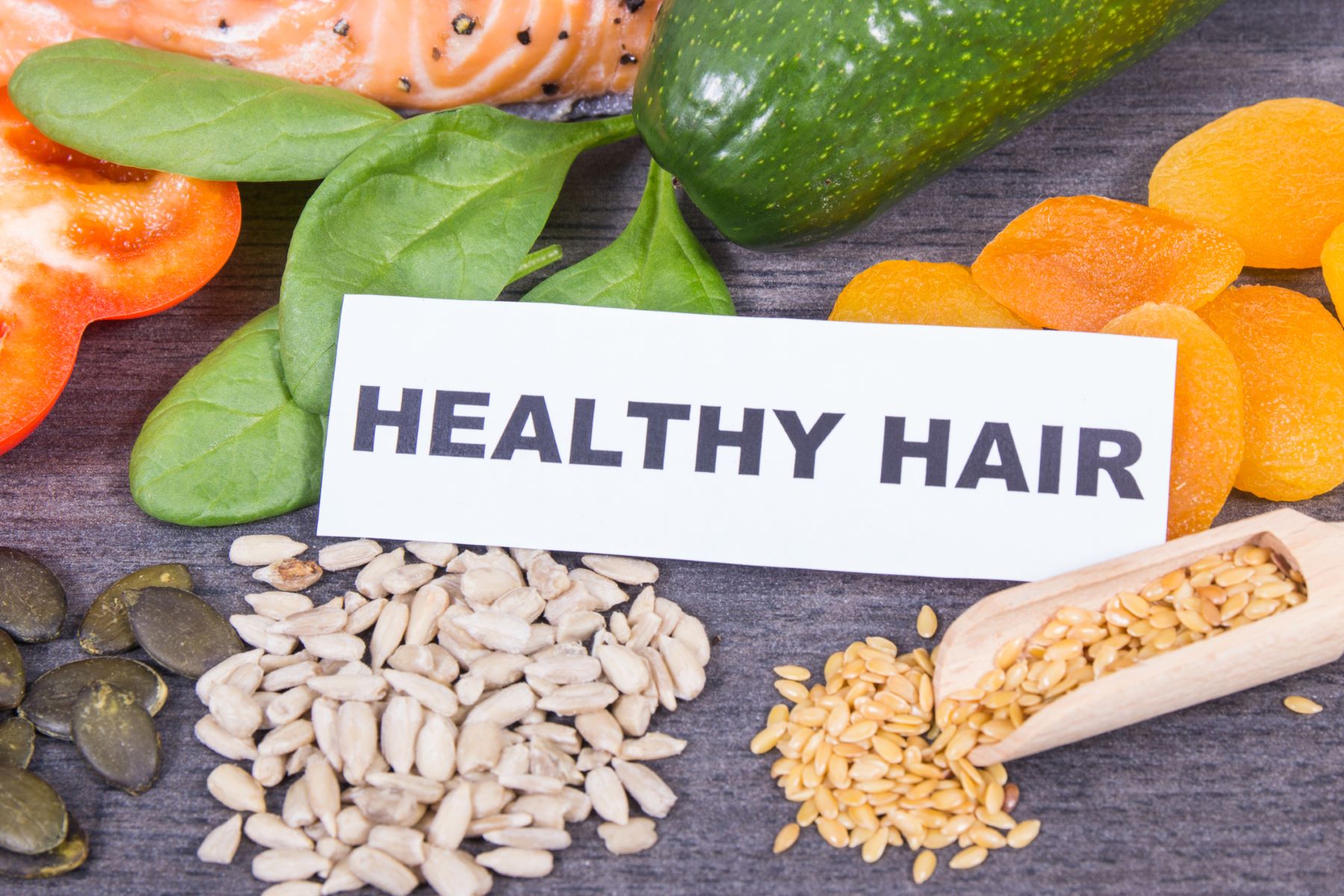
Eating a healthy hair diet, with lots of minerals and vitamins for hair growth, can help your scalp remain healthy and stimulate your follicles for hair growth. However, very restrictive diets can cause hair loss, dryness and changes in texture [11]. If nutritional deficiencies start to affect your hair qualities, you may need to see your GP or a trichologist for advice on reversing this.
Dry hair prevention tip: To prevent dry hair and hair loss during weight loss, ask a nutritionist about a personalised diet plan that won’t affect your hair health. While you can take nutritional supplements to avoid or correct deficiencies, it is best to get vitamins and minerals from dietary sources.
Stay hydrated
While eating healthy is important, drinking plenty of water is vital to the good functioning of your body, especially in hot weather [12]. Failing to drink enough fluids and/or consuming excessive amounts of alcohol or sugary soft drinks can lead to dehydration [13]. This can also give you a dry scalp and dry hair. So make sure to keep yourself properly hydrated at all times.
Dry hair prevention tip: Some people often forget to drink, especially when busy or stressed. If this is you, keeping a water bottle on your desk can serve as a reminder. Alternatively, apps can help you track your water intake and remind you to drink at preset intervals.
Use all-natural hair dye
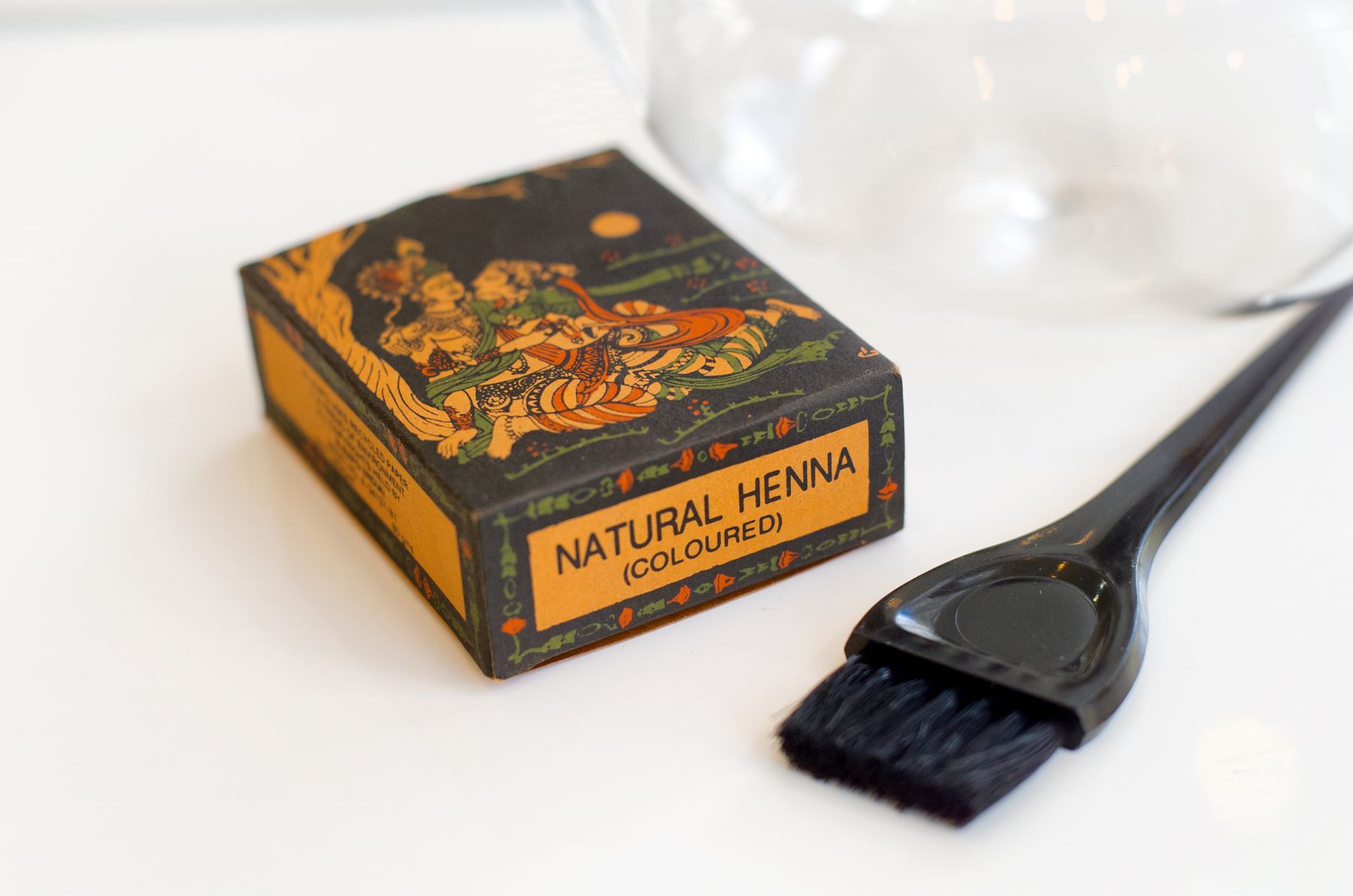
Excessive use of styling products that contain harsh chemicals, such as bleach or hair dye, can dry out and damage your tresses [14][15]. However, that doesn’t mean you need to give up on the vibrant colours you love. There are natural pigments that you can use to dye your hair, such as henna, indigo or beetroot. Experimenting with them can give you a lovely new shade without affecting your hair health.
Dry hair prevention tip: If you don’t want to give up chemical dyes, try to switch to a semi-permanent variety. Semi-permanent hair dye is not as damaging to hair as the permanent kind. It contains smaller amounts of harmful chemicals, such as hydrogen peroxide, and it doesn’t penetrate your hair fibre as deeply [15].
Wear a hat or head cover when out in the sun
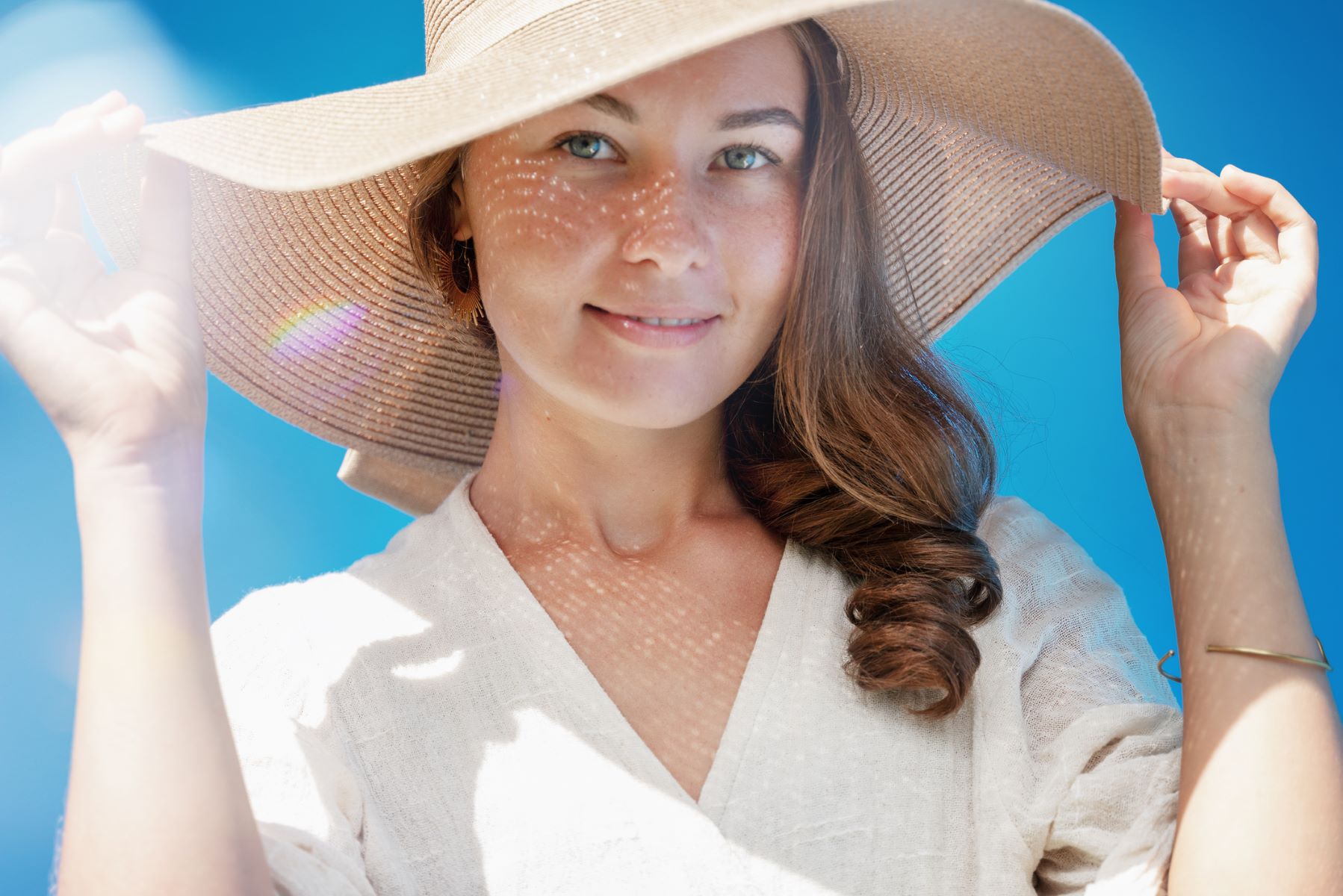
Exposing your hair to the hot sun for extended periods can dry it out and damage its structure [16]. This is often at the root of summer hair loss. So make sure to cover your head and hair with a large-brimmed hat or a scarf to keep it safe. This will also prevent other negative health consequences, such as heatstroke, sunburns and even skin cancer on your scalp.
Dry hair prevention tip: While many cosmetic products promise UV hair protection, most are likely ineffective [16]. The best way to keep your hair healthy and hydrated is to cover it up when going outside in hot weather. It’s also a good idea to stay indoors at times when UV radiation is at its strongest (e.g. at midday hours during summer)