What are Hair Gain Capsules?
Hair Gain is a relatively new brand of haircare products launched in 2018. Hair Gain Capsules were their first product to hit the market, and now many women have used them to improve their hair.
According to the Hair Gain website, Hair Gain Capsules are said to be “scientifically formulated to support healthy hair, the most advanced form of edible hair care.” 92% of people surveyed said they noticed improvements in their hair after using Hair Gain Capsules.
According to our research, most vitamin supplements don’t promote hair growth unless you have a clinical nutritional deficiency that’s causing hair loss. So are Hair Gain Capsules any different? Let’s take a look at the ingredients to see the science behind these claims.
Ingredients of Hair Gain Capsules
Hair Gain Capsules contain certain ingredients that are said to be beneficial for hair, including biotin, vitamin E, and AnaGain™ (a phytonutrient derived from pea shoots). Here are some of the key ingredients and how they can help your hair.
AnaGain™
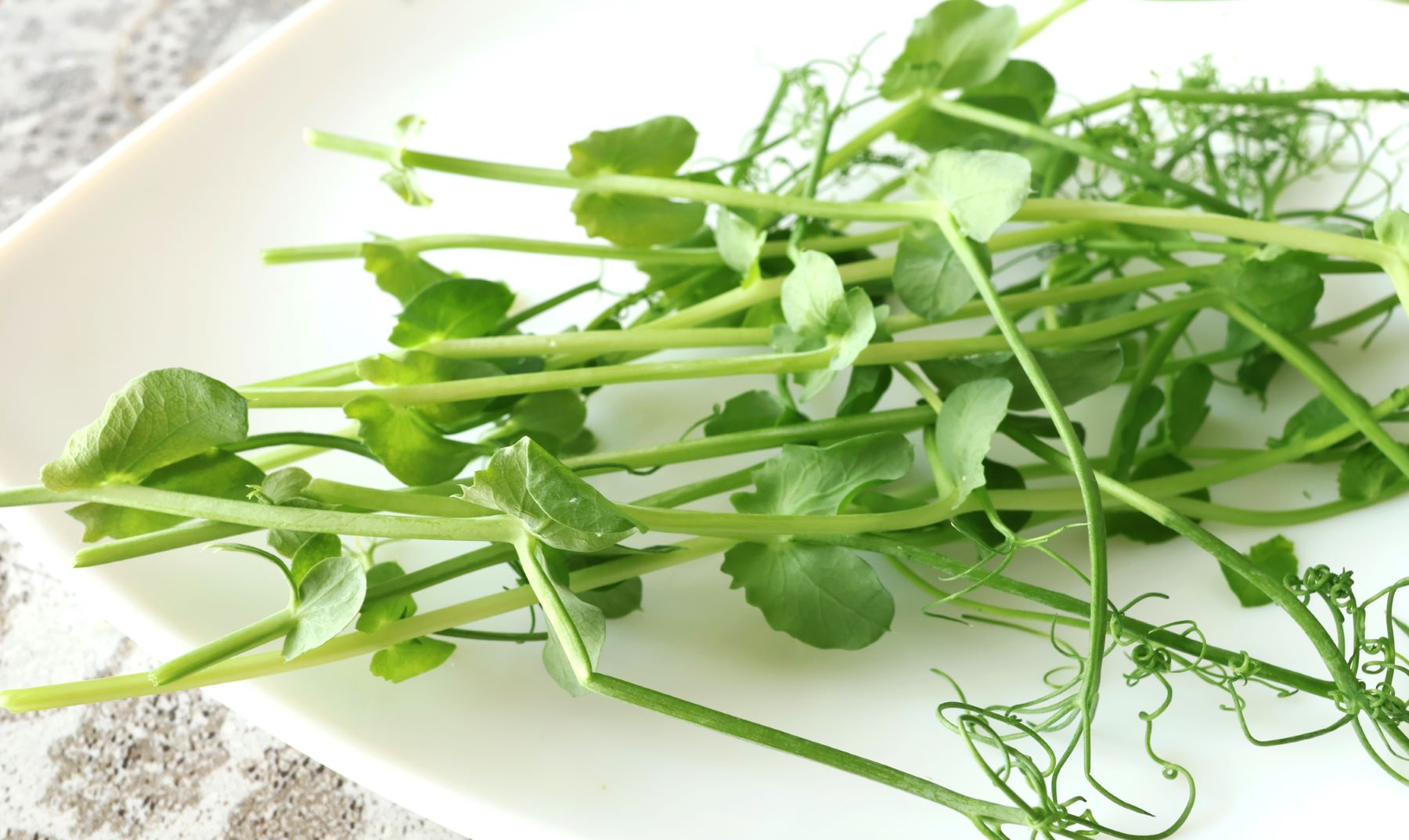
AnaGain is the key active ingredient in Hair Gain Capsules. Also used in Sons hair loss products and derived from pea shoots, it’s said to increase expression of fibroblast growth factor 7 (FGF7) and the noggin protein, both of which are essential for hair growth [1-2].
To date, only one study has explored the effectiveness of oral pea shoot extracts for hair growth. In this study, 95% of participants reported a reduction in hair loss after taking 100mg of AnaGain™ per day for two months [3].
These results are impressive, but there are a few key things to note:
- Hair loss was evaluated by self-assessment, rather than physical measurements or clinician assessment.
- The study was funded and sponsored by the company that formulated the AnaGain phytonutrient.
- Only 21 participants (3 men and 18 women) completed the study.
A lot more extensive research is needed to confirm these findings, especially as most supplements are ineffective for promoting hair growth unless you have a deficiency.
Methylsulfonylmethane (MSM)
MSM is a sulphur-containing compound that may help promote hair growth [11-13]. One study found that an oral MSM supplement could significantly improve the appearance and condition of hair at doses of 3 g and 1 g per day (this study was also sponsored by a world-leading manufacturer of MSM) [11].
However, other independent studies have also found promising links between MSM and hair growth, usually when MSM is combined with other ingredients [12-13]. Researchers have suggested MSM helps to stabilise and synergise protein-to-protein links within the hair fibre, while also potentially reducing inflammation.
Biotin
There are plenty of online claims that biotin is essential for hair growth — and it’s true. But supplements aren’t the best way to get the biotin you need for healthy hair.
Even if you have a clinical deficiency, evidence suggests supplementing with 900 to 20,000 µg of biotin each day can help promote hair growth — substantially more than the 200 µg found in two Hair Gain Capsules [4].
Instead, you need to eat plenty of biotin-rich foods to help your hair. Eating peas directly is a great way to consume biotin, as well as eating eggs, sweet potatoes, and mushrooms.
Vitamin E
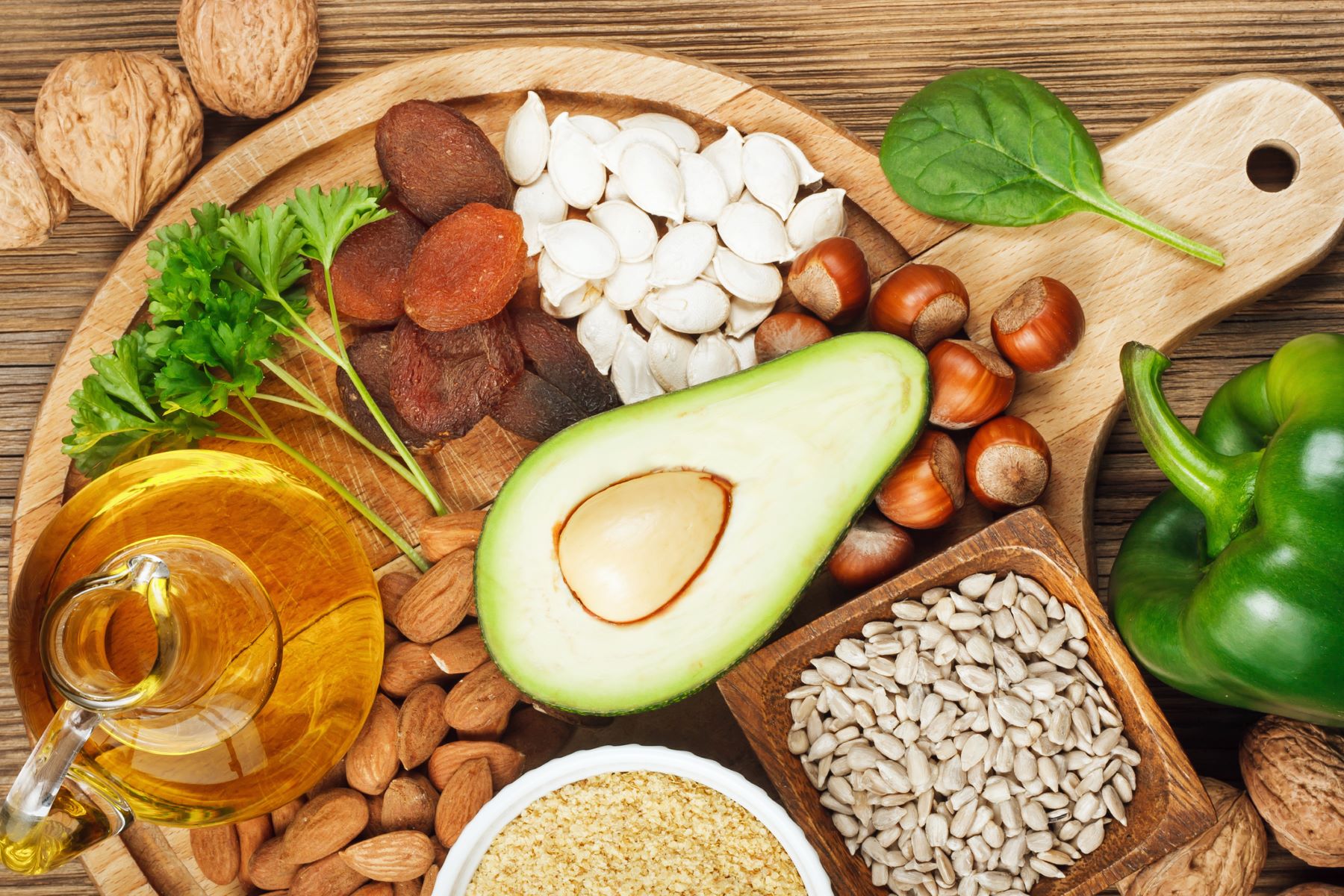
Vitamin E for hair is unique in that it may actually help with hair growth if you have alopecia areata, even in the absence of a deficiency [5]. This is a type of non-scarring hair loss characterised by round bald patches on the scalp.
Alopecia areata is quite rare. But vitamin E may have other hair benefits, such as reducing oxidative stress that can contribute to hair shedding [5].
Be careful if you’re taking other vitamin supplements alongside Hair Gain Capsules, as too much vitamin E may cause toxicity that can actually increase hair loss [6].
Zinc
Zinc helps maintain follicle structure within the hair anatomy. It’s essential for cell division and keratin production, both of which are necessary for hair growth. Lack of zinc may lead to hair loss by contributing to the development of alopecia areata, male pattern baldness, female pattern hair loss, and telogen effluvium [7].
That said, studies don’t support zinc supplementation for hair loss unless you have a clinical deficiency [8-9]. One small study did show that zinc supplements might make hair appear thicker (though there was only a minor change in hair count) [10].
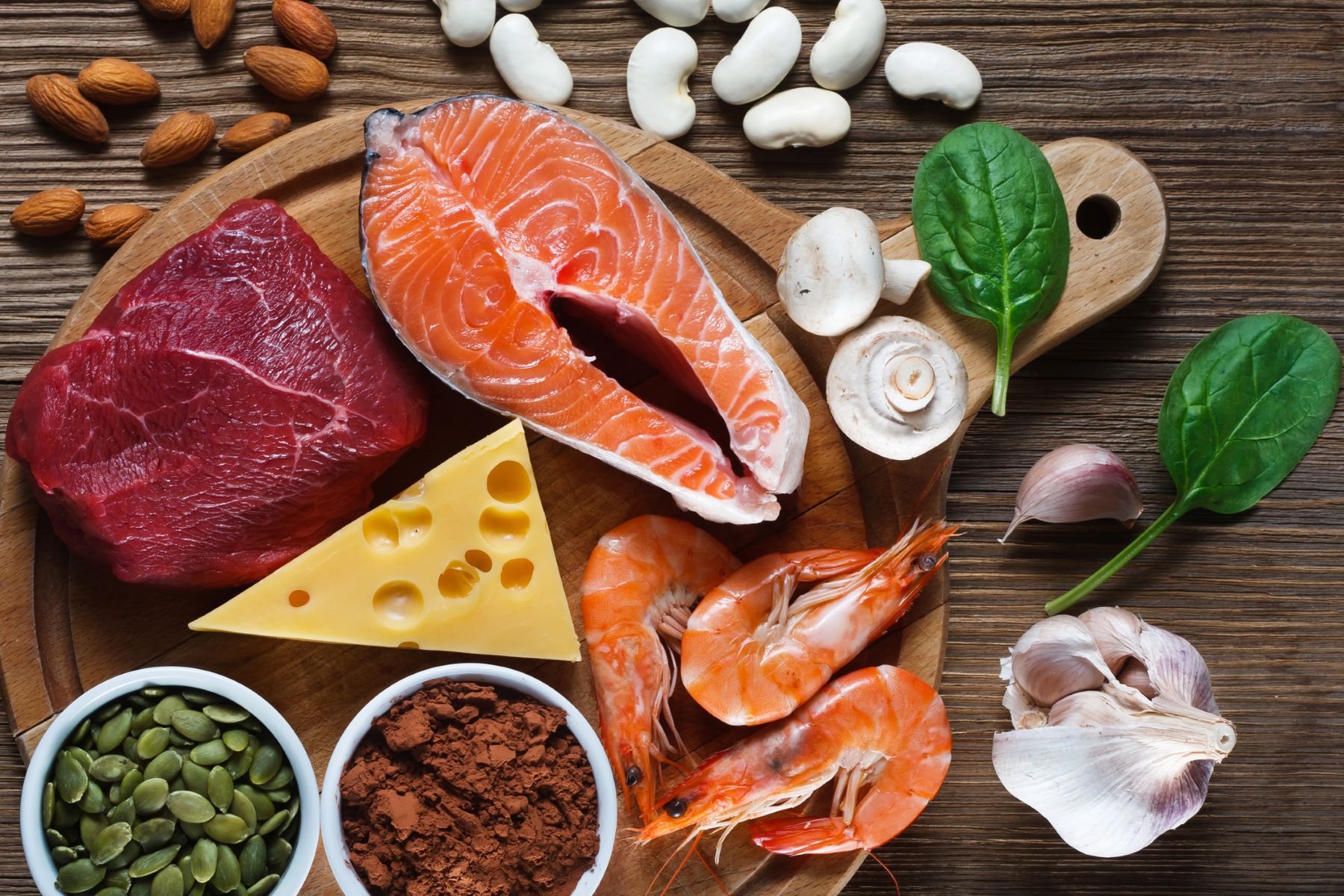
Like other nutrients, it’s best to get most of your zinc intake through your diet. Zinc-rich foods include salmon, garlic, and shellfish.
Other ingredients
Certain other Hair Gain Capsule ingredients may also play a role in improving hair health, though there’s very limited research. For example:
- Bamboo stem extracts may have an antioxidant effect on the hair [14].
- Animal studies suggest vitamin B5 (also known as pantothenic acid) may help with hair follicle cell proliferation [15].
- Topical niacin may improve symptoms of female pattern hair loss (though it’s unclear if oral niacin has the same effect) [16].
Are Hair Gain Capsules safe?
Because Hair Gain Capsules contain nutritional supplements, they’re likely to be safe if you don’t exceed the recommended intake (two capsules per day).
As with many supplements, you may experience negative side effects if you take too many.
Should you try Hair Gain Capsules?
While many Hair Gain Capsule ingredients do have promising benefits for hair, there’s little impartial evidence that consuming them in supplement form will help with hair loss. So if you decide to try them, you may not see miraculous improvements in your hair.
In addition, the cited studies of AnaGain’s benefits are very small and rely on self-assessment, which isn’t the most accurate way to measure hair growth. The best female hair loss treatments are backed by more substantial independent research. Let’s take a look at some of the options.
Which treatments promote hair growth in women?
The following therapies are proven to stop hair loss and stimulate regrowth in women:
- Minoxidil — 2% Minoxidil is often recommended as a female hair loss treatment, as it can effectively boost hair growth while minimising the risk of side effects.
- PRP hair treatment — Platelet-rich plasma hair treatments contain essential growth factors that stimulate hair regrowth in women.
- Low-level laser therapy — Low-level laser therapy uses light to encourage follicle cell proliferation without needles, surgery, or even topical solutions.
- Hair transplant — Female hair transplants are the most successful way to achieve permanent hair regrowth in patients with female pattern hair loss.
- Spironolactone — Spironolactone for hair loss is an effective treatment for menopausal hair loss, polycystic ovary syndrome, and certain other types of hormone-related alopecia.