The main types of hormonal hair loss
Several common hair loss conditions can be traced back to hormonal activity. Here are some of the most common.
1. Androgenetic alopecia
Commonly known as male pattern baldness or female pattern baldness, this type of alopecia is the leading cause of hair loss worldwide. More than 85% of men [1] and over half of women [2] experience it during their lifetime.
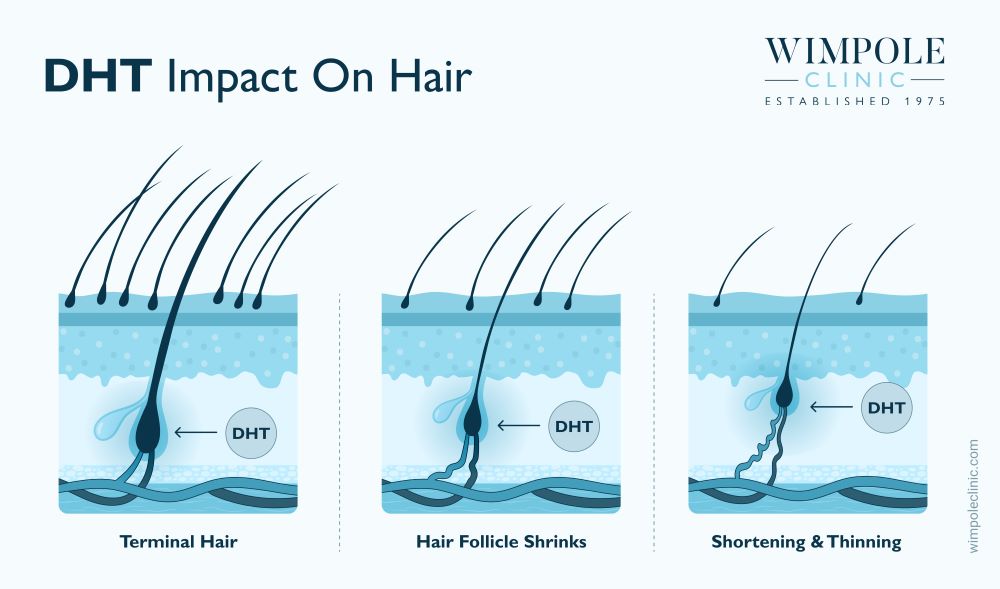
Androgens play a significant role in the development of androgenetic alopecia. An enzyme called 5-alpha reductase converts some of your testosterone into DHT, a male hormone which plays a role in your sexual and reproductive function. However, DHT can also bind to specific androgen receptors in your hair follicles, making them shrink and causing hair miniaturisation that can advance to baldness if left untreated [5].
The higher your hair follicle sensitivity to DHT, the more likely this hormone is to bind to them. In fact, this type of alopecia is patterned because the follicles on your frontal area and crown are more sensitive to DHT than those on the back and sides of your head.
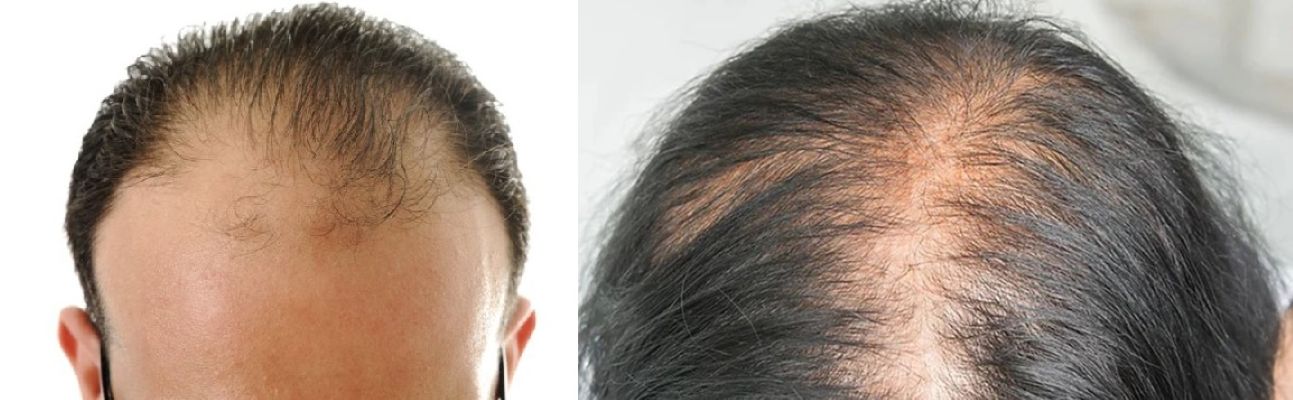
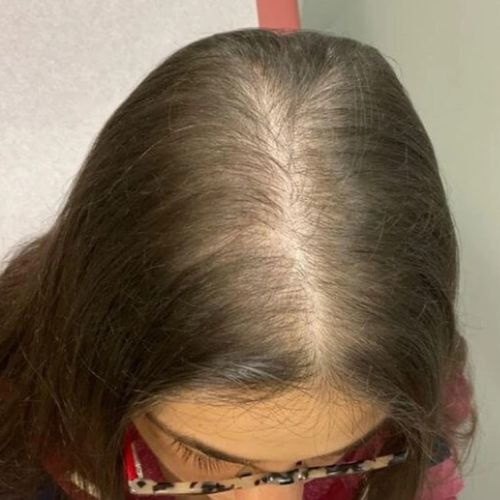
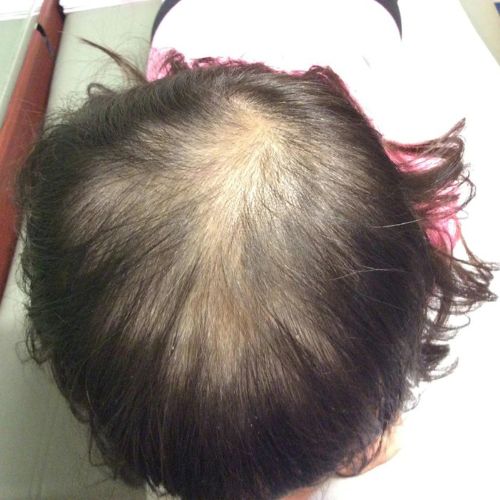
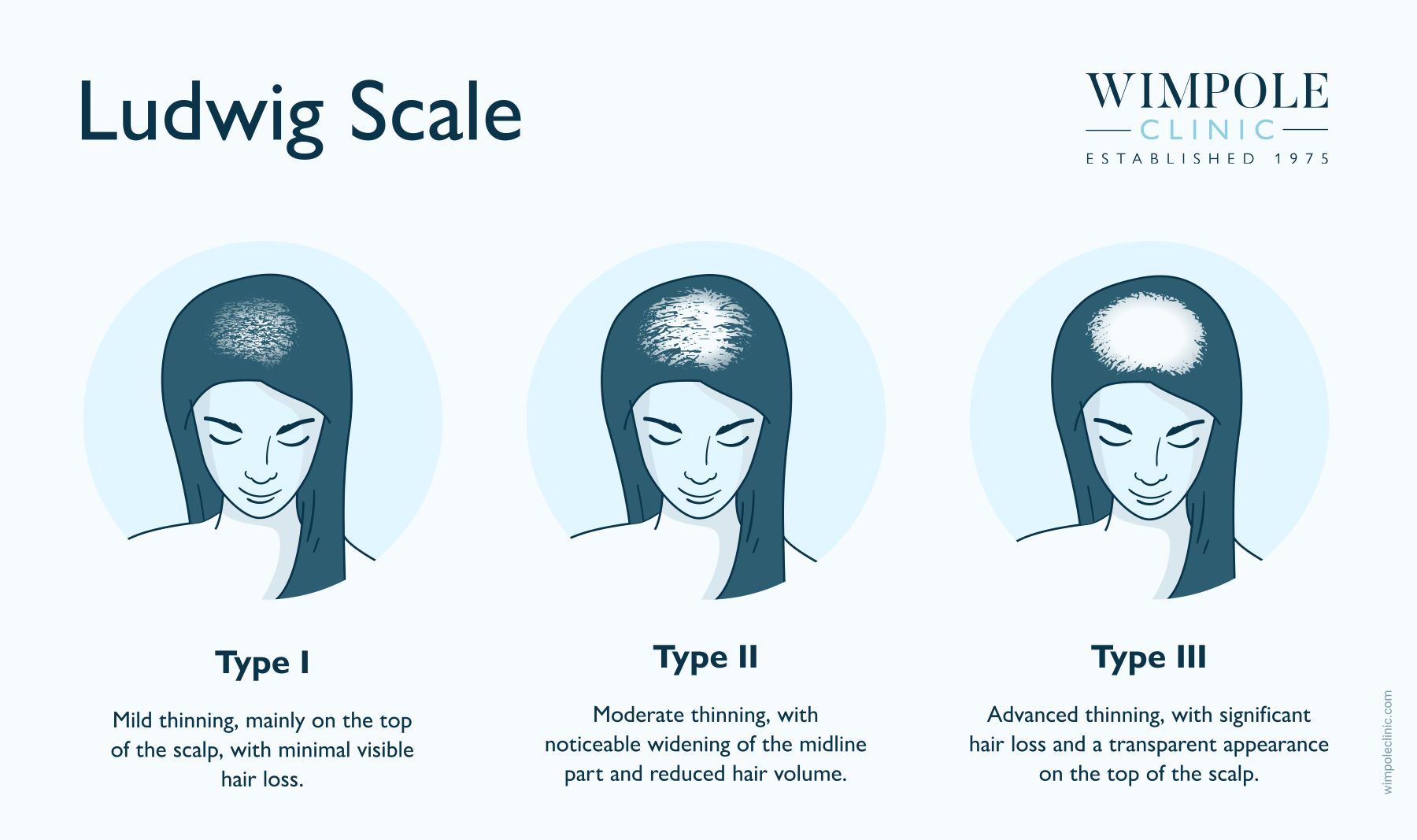
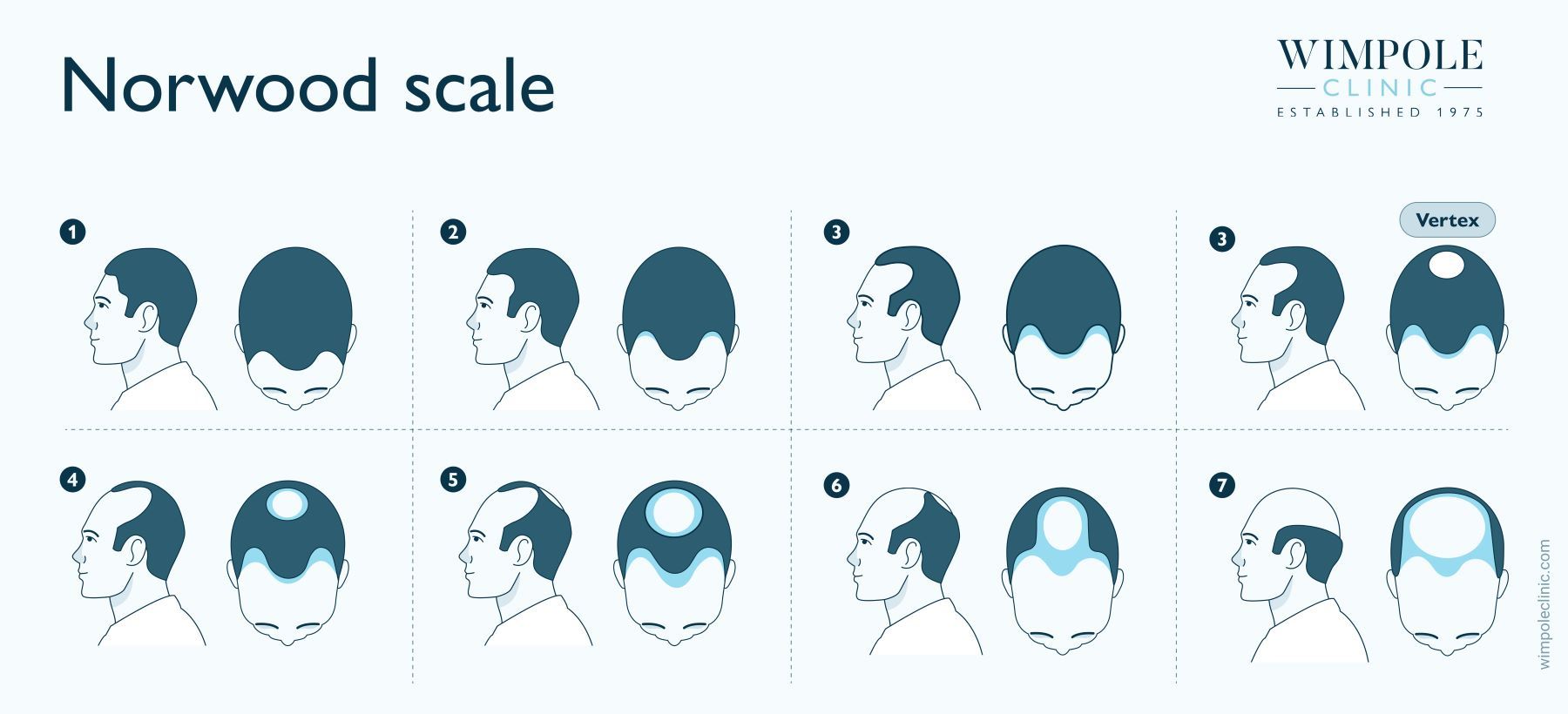
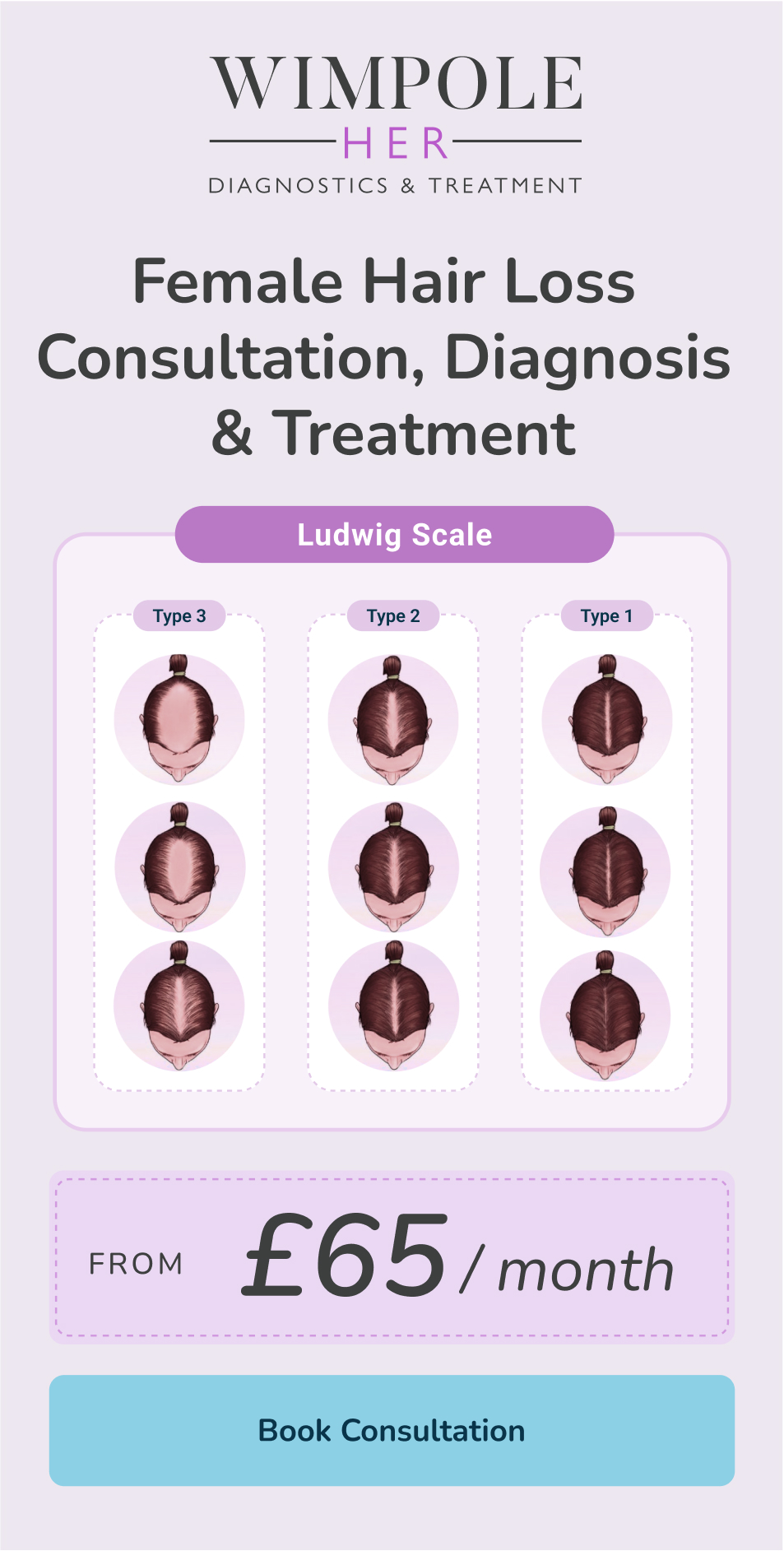
Symptoms of androgenetic alopecia: Male pattern baldness normally begins with a receding hairline and temple hair loss, then progresses to a bald spot on the crown if left untreated [5]. Female pattern baldness typically spares the frontal area, causing diffuse thinning and a widening of the midline parting [6].
2. Stress-induced hair loss
Cortisol is a hormone that regulates your body’s stress response. Higher levels of cortisol are secreted when you’re undergoing physically or mentally demanding times (such as illness, surgery, mental health problems, bereavement, or unemployment).
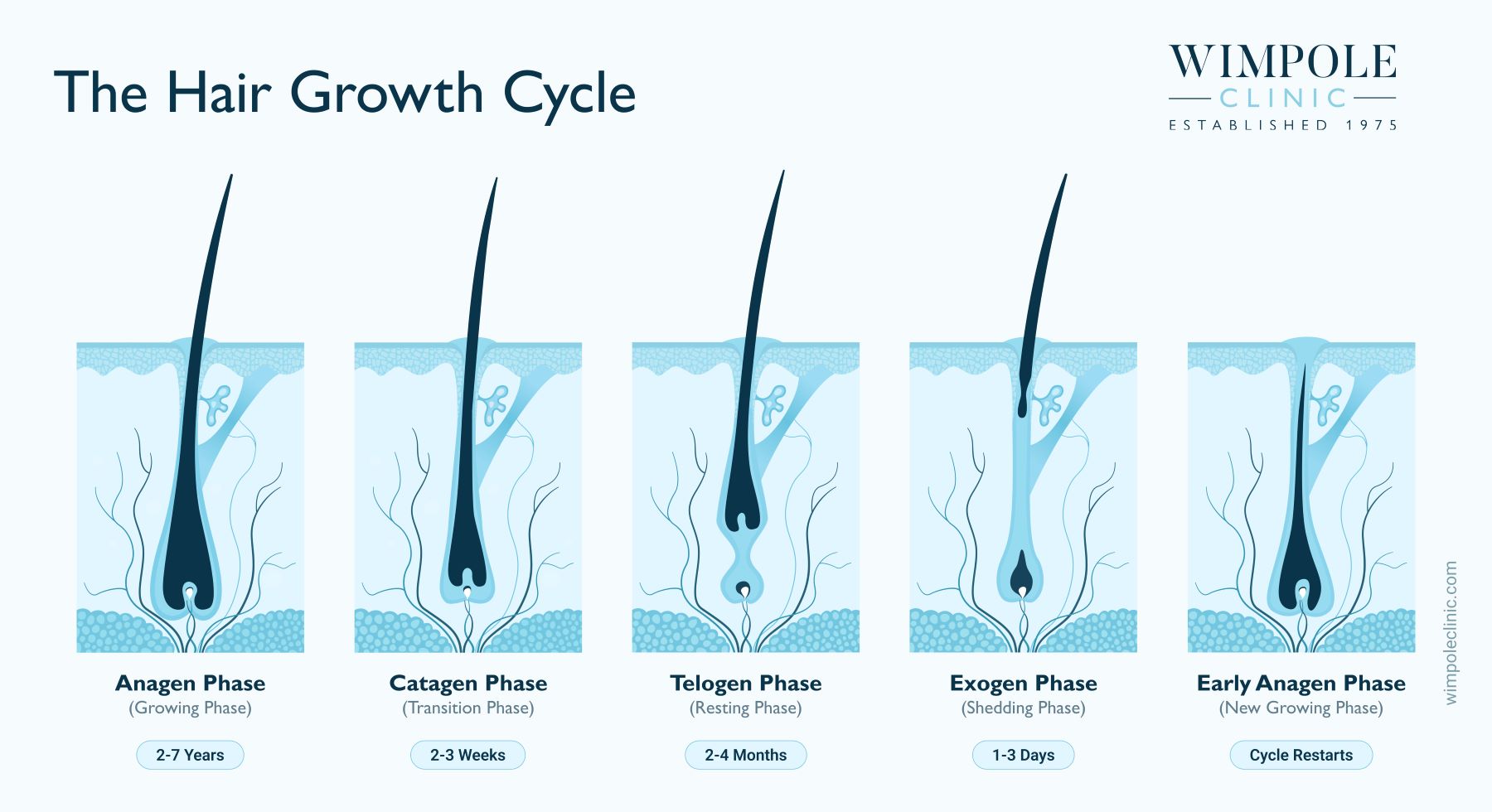
You may have noticed that stress and anxiety can cause hair loss. This is because they trigger a condition called telogen effluvium. Excessive cortisol levels interfere with hair follicle function, disrupting your hair growth cycle [7][8][9].
Telogen effluvium normally sets in around 2-3 months after a stressful event and resolves itself in around 95% of patients within 3-4 months of stressor cessation [9][10]. However, rarely, this condition can become chronic and last for years [11].
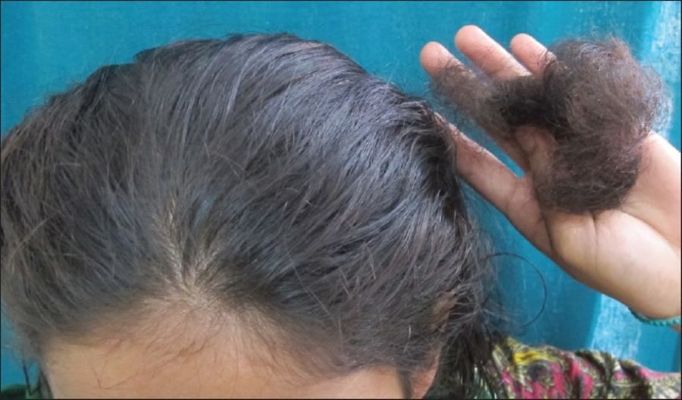
Symptoms of telogen effluvium: excessive hair shedding (above 150-200 hairs per day [12]), diffuse hair loss (up to 30-50% of your hair [13] but without causing visible bald spots), in some cases a tingling or burning sensation on the scalp (also known as trichodynia).
3. Postpartum hair loss
Research shows that over 68% of women who have recently given birth experience postpartum hair loss [14]. This phenomenon is completely natural and no reason for concern.
During pregnancy, a woman’s body experiences a surge of female hormones (including oestrogen and progesterone) which stimulate hair production and keep your tresses in the growth phase for longer. About 4 months after birth, as your hormone levels start to return to normal, a larger proportion of your hair than usual enters an overdue resting/shedding stage, eventually falling out.
Moreover, stress caused by the birth itself and the exhaustion from caring for a newborn can raise your cortisol levels, also contributing to your hair loss.
The good news is that postpartum hair loss requires no treatment and typically resolves itself within 4-6 months of onset [15].
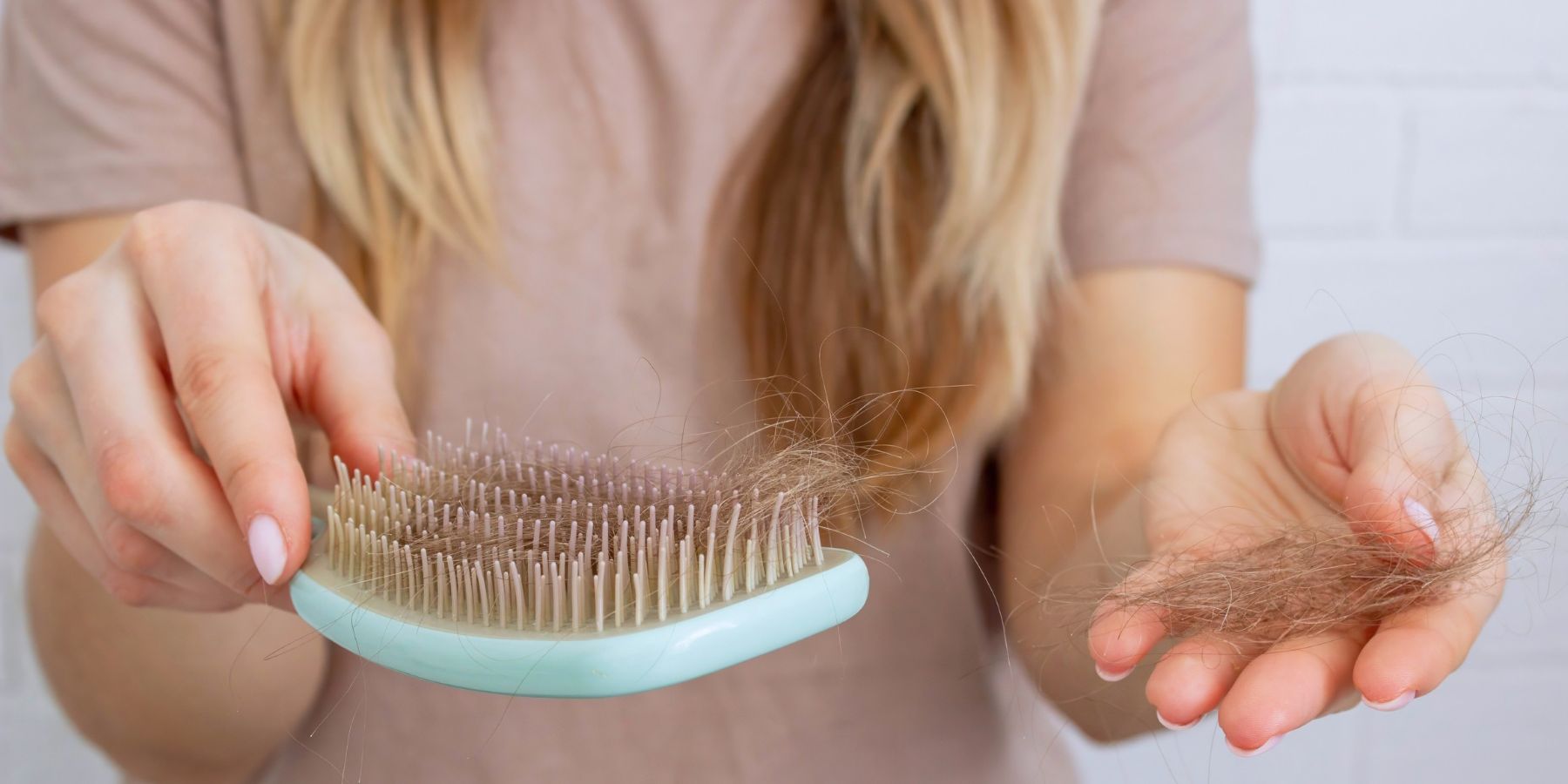
Symptoms of postpartum hair loss: diffuse hair loss all over your scalp, hair that falls out in clumps when brushing or during a shower but leaves no bald spots.
4. Menopausal hair loss
During perimenopause, women’s hormonal balance starts to shift. They start to produce lower amounts of oestrogen, so the proportion of male-to-female hormones increases. This often results in menopausal hair loss, consisting of hair thinning, as well as the onset of female pattern baldness, which affects over 52% of postmenopausal women [16].
Perimenopausal hair loss can start as early as age 35-45 and if left untreated, it can advance after menopause sets in. However, hair loss medications and hormone replacement therapy may help reduce alopecia. Shampoos for menopausal hair loss may also help keep your hair healthy and beautiful.
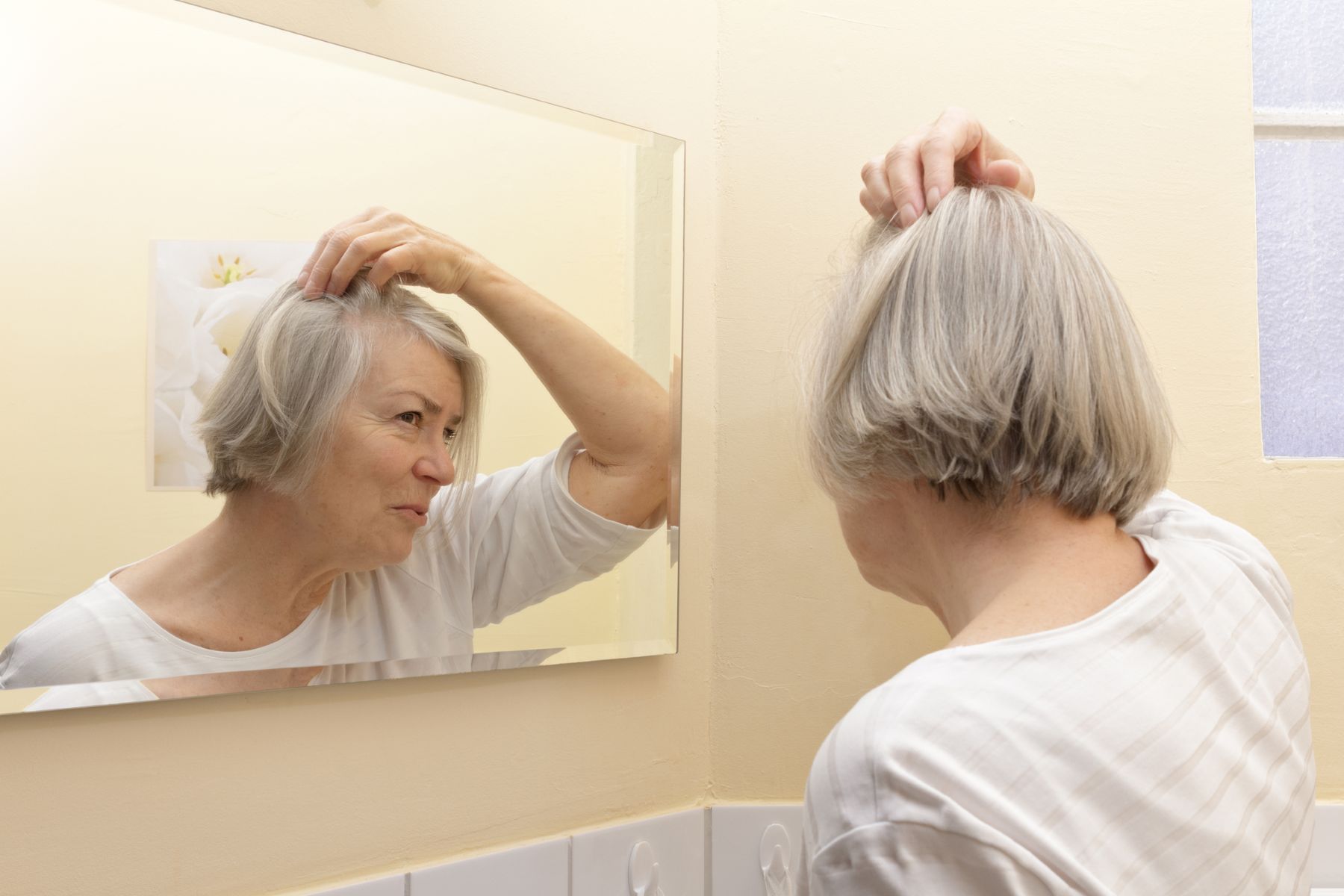
Symptoms of menopausal hair loss: diffuse hair thinning on the scalp, often accompanied by a widening of the midline parting or a Christmas tree pattern around the parting (signs of developing female pattern baldness).
5. Adrenopause-induced hair loss
Throughout life, our adrenal glands produce some hormones called dehydroepiandrosterone (DHEA) and dehydroepiandrosterone sulfate (DHEA-S). They are precursors of male and female hormones, which means your body can convert them into androgens or oestrogens. Moreover, they are believed to play a role in promoting skin and hair health.
DHEA and DHEA-S levels peak in early childhood (around 6-8 years of age) and decrease steadily after puberty [30]. Around the age of 50, this decline suddenly becomes more abrupt due to changes to your adrenal glands [31]. This phenomenon is called adrenopause [31]. By age 80, you only produce around 20% of the DHEA and DHEA-S levels of young adulthood (women seem to experience this reduction more rapidly and acutely than men) [32].
Adequate levels of these adrenal hormones promote a healthy hair growth process. Deficiencies have been linked to hair thinning, especially in women. That is because the decline in DHEA and DHEA-S occurring in adrenopause often overlaps with menopause, which can lead to even lower oestrogen levels and more pronounced resulting hair thinning.
Finally, research shows an antagonistic relationship between DHEA and cortisol. This means that one rises as the other decreases. The steep reduction in DHEA and DHEA-s during andropause can lead to higher cortisol levels, which can induce telogen effluvium.
Symptoms of adrenopause-induced hair loss: diffuse or patterned hair thinning, changes in hair texture or increased hair breakage