

Medically reviewed by
Dr Mir Malkani — Updated on December 29, 2025
Dr Mir Malkani — Updated on December 29, 2025






How much hope should you invest in hair cloning?
If you are wondering whether there is hope to cure baldness in the future with hair follicle neogenesis, then yes, there definitely can be. The prospects are promising and the research is surely worth following through. However, if you hope to use this technology to treat your hair loss in the foreseeable future, the odds are nowhere near as good.
Keep in mind that hair cloning is still in its infancy. It has a long way to go and much to prove before it’s perfected, approved and available to the general public. Every moment you are not treating your hair loss, it can progress and become increasingly difficult to hide and regrow your thinning hair. Should hair follicle neogenesis prove itself unsuccessful or unfeasible, your window for hair restoration may close, and you may find yourself out of options.
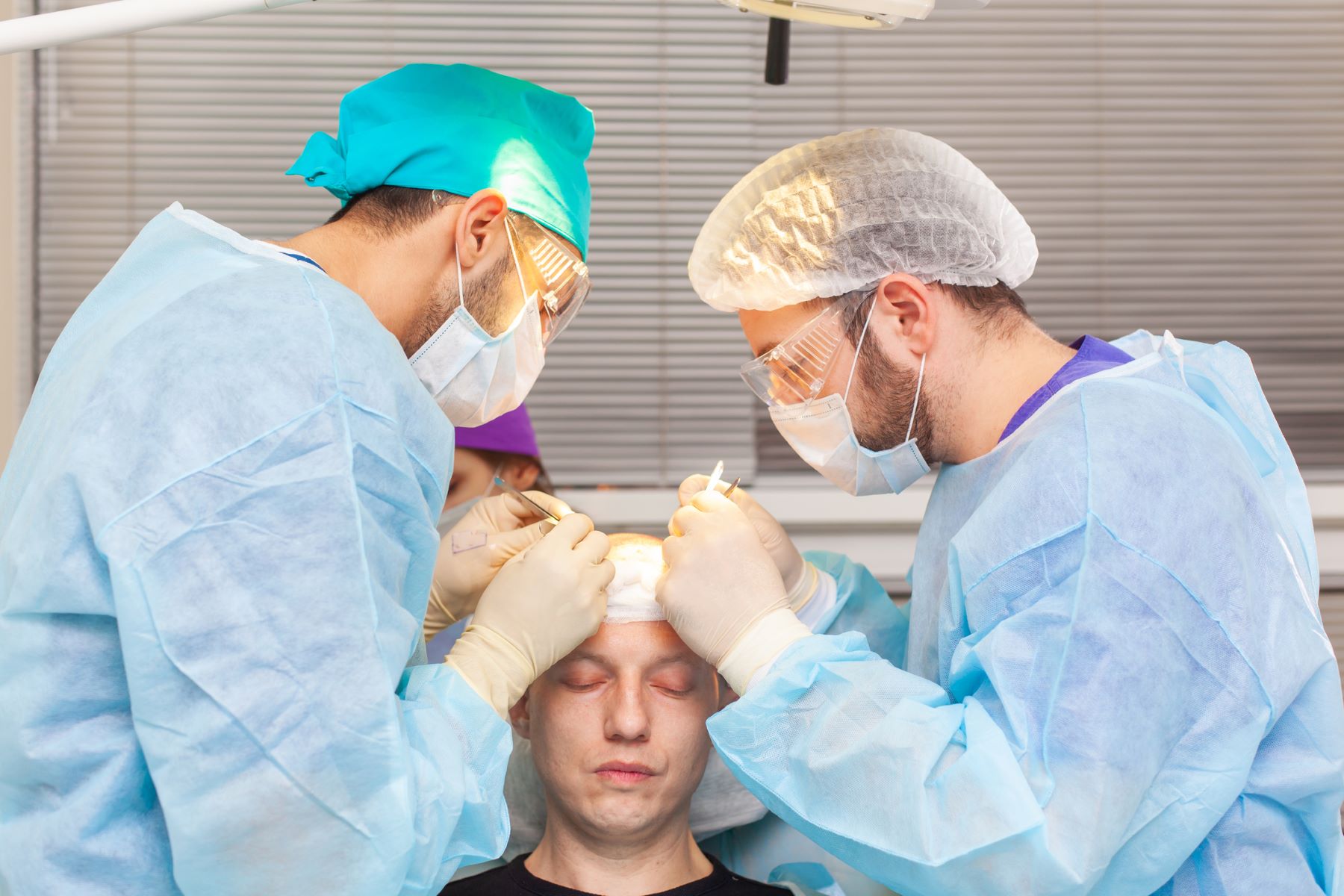
Given that a hair transplant is permanent, tried and tested, it can solve your hair loss problem in the present. Book a consultation today with our world-class surgeons and find out if you are eligible for a hair restoration procedure. And if you can benefit from this surgery, you may still be enjoying your hair transplant after 10 years, when hair cloning may or may not have become available.


Medically reviewed by Dr Mir Malkani
— Updated on December 29, 2025
The Wimpole Clinic offers FUE Hair, Beard & Eyebrow Transplants & Trichology.
Talk to a specialist ☎ 020 7935 1861.
Talk to a specialist ☎ 020 7935 1861.
Medically reviewed by
Dr Mir Malkani — Updated on December 29, 2025
Dr Mir Malkani — Updated on December 29, 2025
Book Your Free Hair Transplant Consultation
Simply fill in your details and we’ll get in touch with you shortly.