

Medically reviewed by
Dr. Michael May (FRCS) — Updated on December 29, 2025
Dr. Michael May (FRCS) — Updated on December 29, 2025




The most common hair loss causes, according to the NHS
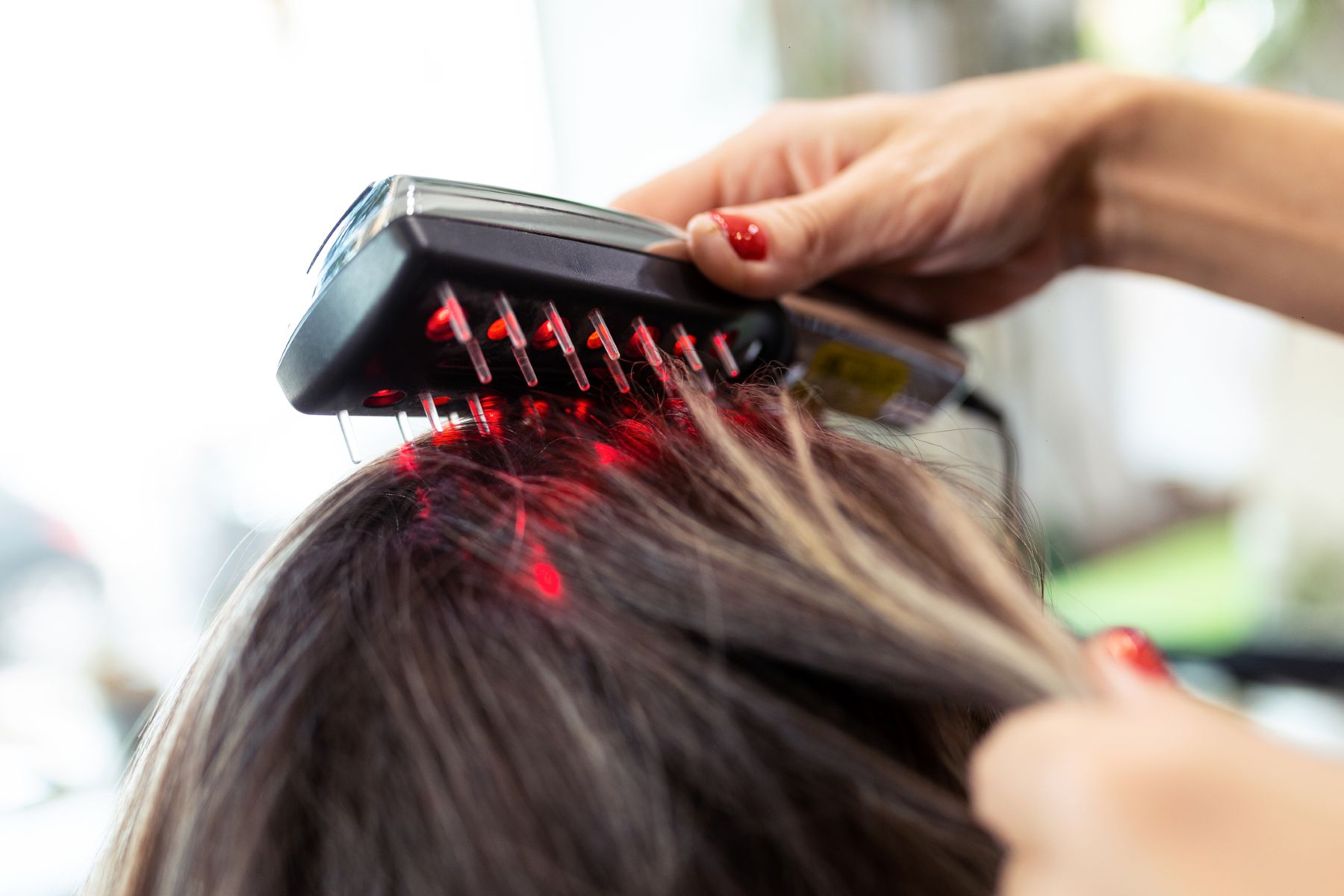
There are several reasons why you may be experiencing hair shedding or hair loss. Here are those deemed by the NHS as most common and how you can recognize them [3][19] [20][21]. However, be aware that in some cases, these conditions don’t have typical presentations, so if your hair loss persists or if your symptoms get worse, it is a good idea to see a hair specialist.| Hair loss causes | Main symptoms |
|---|---|
Androgenetic alopecia
This condition currently affects 6.5 million UK men and the NHS states that 50% of women and most men will experience it at some point in their lives [1]. It is caused by a combination of age, genetics and hormones. When your body produces an excess of a male hormone called dihydrotestosterone (DHT), it binds to androgen receptors in your hair follicles and makes them shrink until they can no longer produce hair. | Male pattern baldness: Female pattern baldness:
|
Telogen effluvium
This temporary condition occurs when your hair growth cycle is disrupted, making a greater proportion than normal of your hair follicles enter the shedding phase [20]. It is usually triggered by stress, illness or physical/emotional trauma and hair loss often develops 1-3 months after the stressful event. Once the triggering factor is resolved, this condition improves without treatment, often in under 6 months [20]. |
|
Alopecia areata
This condition affects 15 out of every 10.000 UK residents. It often occurs early in life, as half of all cases start in childhood and 8 out of 10 cases are diagnosed before the age of 40 [19]. Alopecia areata is autoimmune, which means your white blood cells attack your hair follicles. |
In rare cases, alopecia areata can make an entire swathe of hair on your scalp fall out (ophiasis alopecia) or it can lead to complete hair loss on your head (alopecia totalis) or on your entire body (alopecia universalis). |
Medication-induced alopecia
Chemotherapy hair loss is the most notorious medication-induced alopecia, as 65% of patients lose their hair [23]. However, other types of treatments, such as certain kinds of heart medication, birth control pills or antidepressants can also induce hair shedding. Fortunately, your hair should grow back once you have finished your treatment. | Depending on the kind of medication you take and your personal characteristics, you may encounter symptoms characteristic of telogen effluvium, androgenetic alopecia, or alopecia areata. So you may be experiencing some of the following:
|


Are you concerned about hair loss?
It is perfectly normal to lose between 50-100 hairs every day. However, if your hair loss extends beyond this and you start to notice thinning areas that don’t seem to recover on their own, it is time to call in the experts.
Book a consultation now with one of our top-tier trichologists. They will perform all the necessary tests to get to the root of your hair woes and prescribe the most effective treatment for your specific condition. They will also give you personalized hair care and will let you in on the most helpful tips for masking your thinning locks.


Medically reviewed by Dr. Michael May (FRCS)
— Updated on December 29, 2025
The Wimpole Clinic offers FUE Hair, Beard & Eyebrow Transplants & Trichology.
Talk to a specialist ☎ 020 7935 1861.
Talk to a specialist ☎ 020 7935 1861.
Medically reviewed by
Dr. Michael May (FRCS) — Updated on December 29, 2025
Dr. Michael May (FRCS) — Updated on December 29, 2025
Book Your Free Hair Transplant Consultation
Simply fill in your details and we’ll get in touch with you shortly.