How to stop hair loss in teenage guys
The best treatment choice for male teenage hair loss depends on the reason you’re losing hair. The most common type of hair loss in adolescent boys is early-onset male pattern baldness, followed by alopecia areata and then telogen effluvium [3].
Depending on your age and the cause of your hair loss, your trichologist may recommend hair loss medication, lifestyle changes, or other treatments. If you’re noticing hair loss in your teens, there is some good news — you caught it early.
It’s much easier to hold onto hair that you haven’t lost yet than to regain hair once it’s gone. Hair doctors can advise you on a long-term plan to help you keep your hair into your twenties and beyond.
Causes of hair loss in male teens
Before deciding on a treatment plan, you need to know which type of hair loss you have. Let’s explore the most common types of hair loss in teenage guys.
Androgenetic alopecia
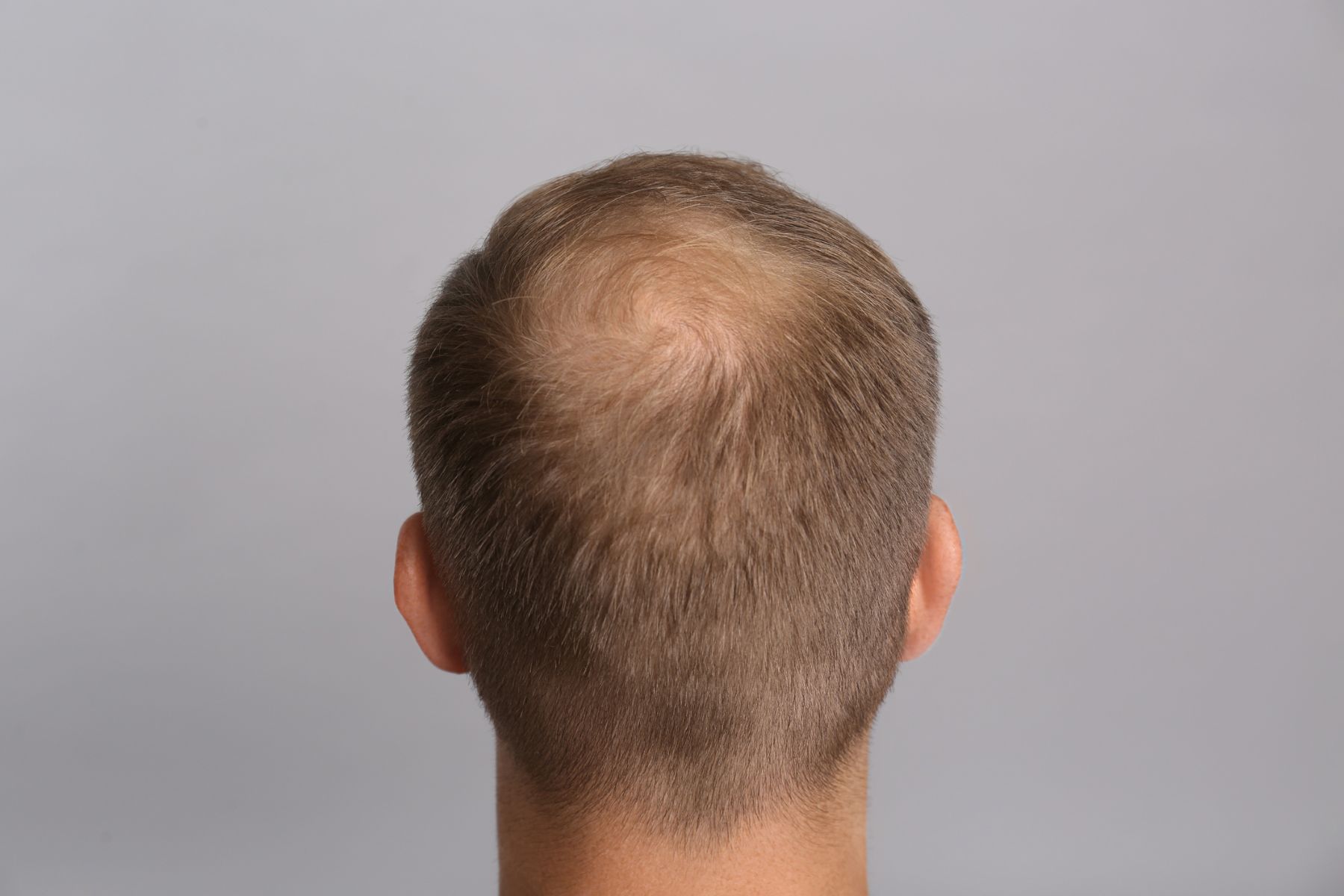
Also known as male pattern baldness, this is the most common type of hair loss for teen boys and affects 80% of men by the age of 80 [4]. While it’s much more common in adults, androgenetic alopecia can affect children as young as six years old. This is, however, very rare and is linked to abnormal androgen levels due to a strong genetic predisposition [5]. Learn more about male pattern baldness in this video:
If you have male pattern baldness, the first signs of thinning and balding may include:
As hair loss progresses, some men become completely bald in time. However, this happens over many years. If you’ve started noticing early signs of hair loss, you’re not likely to go bald any time soon.
Alopecia areata
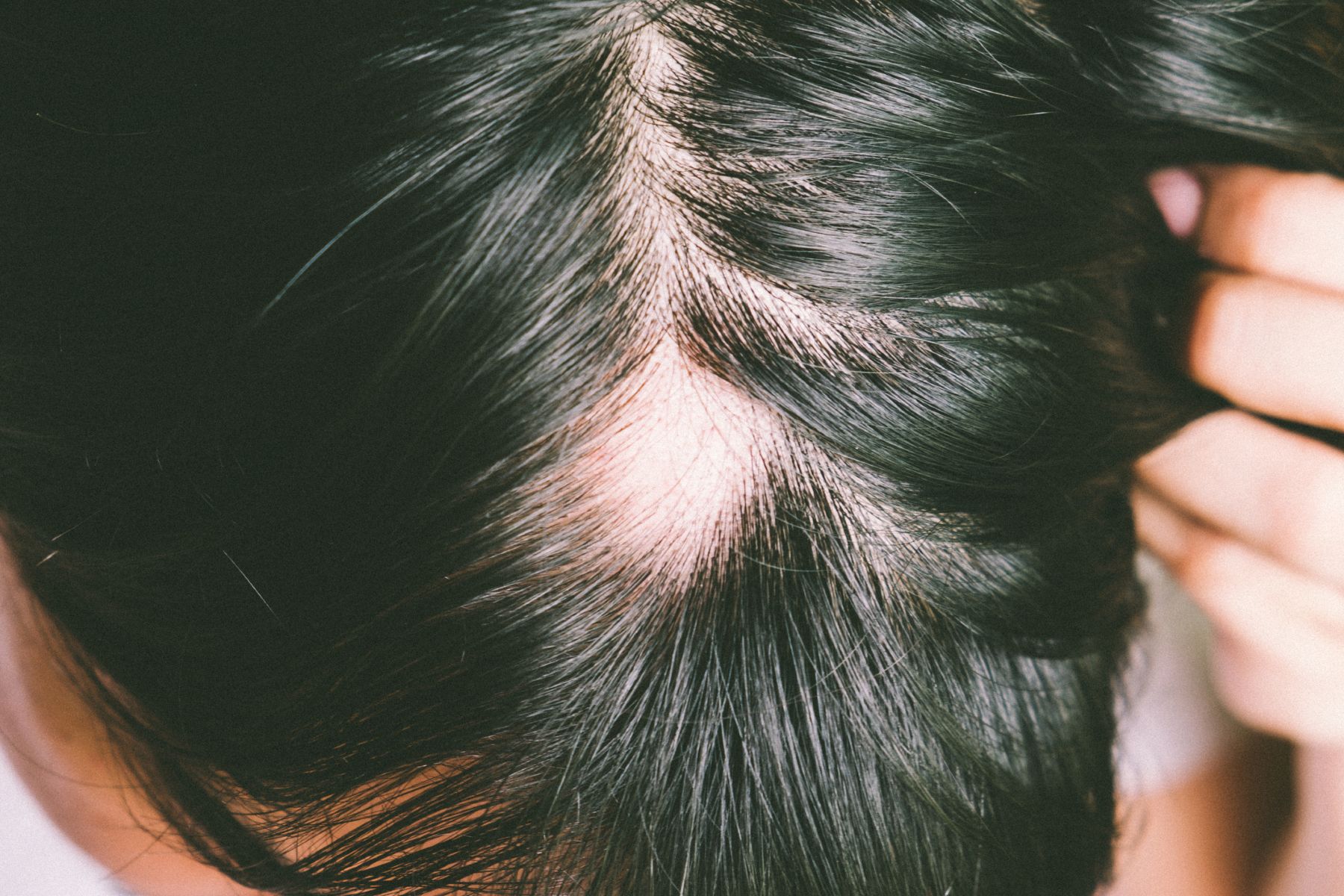
Alopecia areata is the second most common cause of hair loss in teenage boys. It’s an autoimmune condition in which white blood cells attack your hair follicles, causing small, round, bald patches.
It usually affects the scalp but can also affect other body areas. Hair loss can be unpredictable, with cycles of regrowth and hair shedding.
Telogen effluvium
Telogen effluvium is a type of hair loss caused by physical or mental stress [6]. In teenage guys, triggers may include severe stress, rapid weight loss, surgery or certain medical conditions.
Hair usually starts to grow back within a few months in 95% of cases [6]. Fortunately for guys, chronic telogen effluvium (causing long-term hair loss) only seems to affect women [6].
Other causes of hair loss in teenage guys include:
Learn more here about the most common causes of teenage hair loss.
Treatments for teenage hair loss
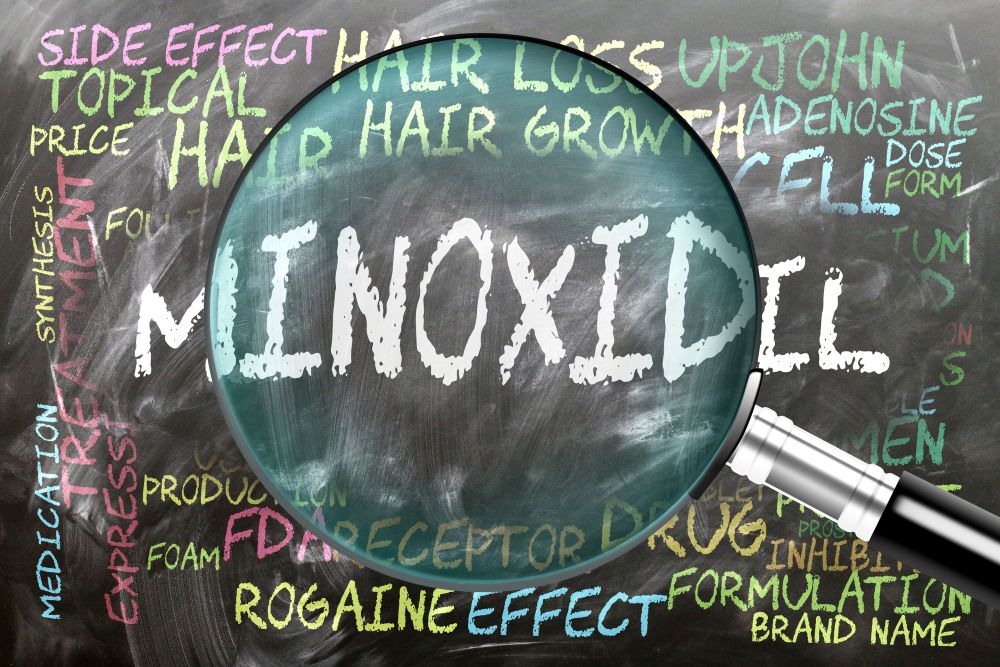
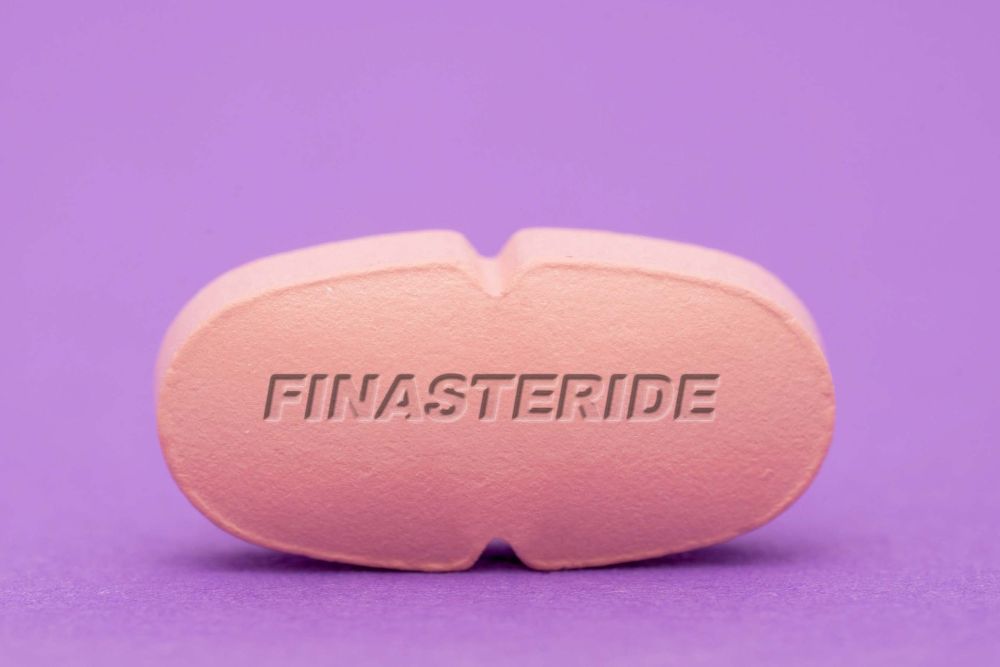
Male pattern baldness responds very well to medications like Finasteride and Minoxidil, but they’re not generally recommended for under 18s [7-8]. In some cases, Minoxidil can be prescribed off-label to teenagers. If your doctor advises that you’re not old enough to take these medications yet, your trichologist can recommend non-prescription treatments to help stabilise your hair loss until you’re 18.
If your hair loss is caused by alopecia areata, you may need steroid medication to resolve your symptoms. Often, this may come in the form of steroid creams that you apply directly to your scalp or areas of hair loss.
In some cases, you may need steroid injections for hair loss. Oral steroids tend to be used only in the most severe cases because they can cause more side effects.
Depending on the cause of your hair loss, you may also be a candidate for platelet-rich plasma (PRP) hair treatment. There’s very limited research on the use of PRP in teenagers, but early case studies show positive results [9].
PRP is a type of regenerative medicine which uses a concentrated sample of platelets from your own blood. This sample is injected into areas of hair loss and can stimulate your hair follicles to regrow hair. It tends to work best for pattern baldness [10], and there’s also some early evidence for its use in alopecia areata [11], but further research is needed in this area.
Ways to style thinning hair as a teenage guy
Tight hairstyles can cause traction alopecia by putting too much pressure on your hair follicles. Instead, try one of these styles:
- Short back and sides with volume on top — keeping the sides short minimises the appearance of temple hair loss, while mousse or gel to volumise hair on top of your head makes it look thicker.
- Side swept fringe — this can cover any thinning around the front of your scalp, hiding signs of a receding hairline.
- Consider hair thickening shampoo to bulk out thinning hair and make it look fuller.
- Check out the best hairstyles for men with thinning hair for a more comprehensive list.
Taking care of your mental health as a teen with hair loss
Hair loss can be tough at any age, but as a teenager, it may feel particularly devastating. Talking to someone can make it feel easier, even if that’s difficult at first.
Your friends and family are a good place to start, and having the support of someone you trust can make things feel a lot easier. If that still doesn’t feel like enough, consider talking to a therapist about your hair loss.
Teenage hair loss support groups can also be helpful. Dealing with your symptoms feels easier when you’re not doing it alone and have other people who understand how you’re feeling.
Can teenage guys get a hair transplant?
A natural-looking hair transplant is often considered the gold standard treatment for male pattern baldness. If you are a teenage guy and you’ve started losing hair early, you may be keen to learn whether this is an option for you.
Unfortunately, hair transplants are not recommended in your early twenties and definitely not for under 18s [12]. The first step to treat androgenetic alopecia in your teens is medication [12] or non-prescription treatments if you’re not old enough for this yet.
Once your hair loss has been stabilised with Minoxidil or Finasteride, your hair doctor will aim to improve your hair density with medication before considering surgery. This can be frustrating, but immediate hair transplantation at a young age is not advised because it can [12]:
- Jeopardise future treatment options
- Overuse limited hair in your donor area
- Lead to unwanted results in the long term