What is a receding hairline?
A receding hairline refers to hair loss along your frontal hairline and temples. This creates the appearance of hair gradually moving further back from your forehead. As your hairline recedes, the follicles at the front of your head stop producing new hair growth.
Hair loss is less common for Black men in general, and tends to progress more slowly than in white men [3]. However, many Black men still experience a receding hairline.
Hair loss usually starts around your temples and then slowly moves back across the top of your head. This is not to be confused with a mature hairline, which is a natural part of the ageing process and happens to everyone. Learn more here about a mature hairline vs. receding hairline.
What causes a receding hairline in Black men?
Androgenetic alopecia (AGA), also known as male pattern baldness, is by far the most common cause of a receding hairline in Black men. However, it’s not the only reason your hairline could move further back. Here are some of the main causes of hairline recession in Black men.
Androgenetic alopecia
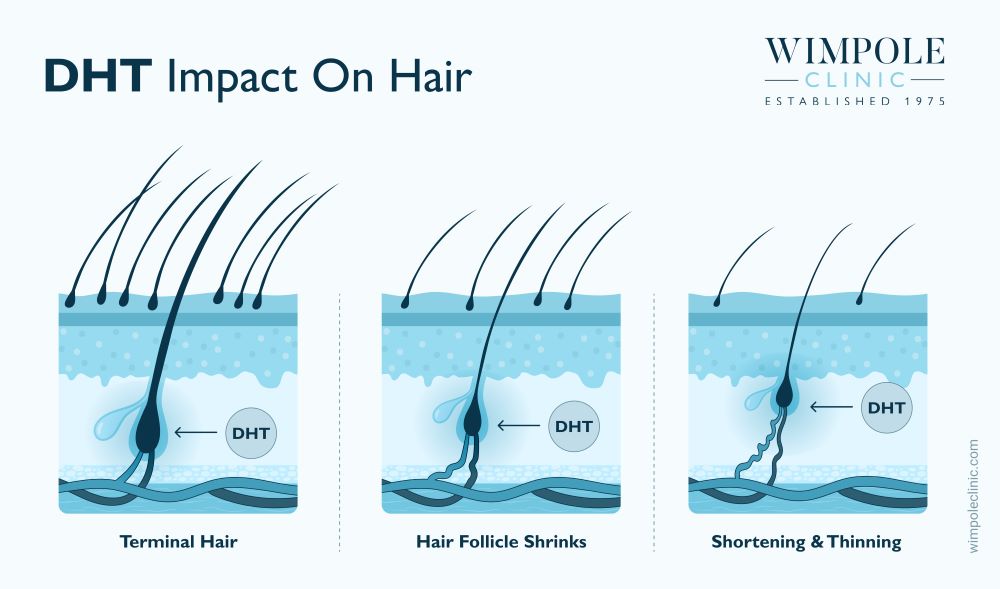
Male pattern baldness is a genetic condition linked to how your body responds to dihydrotestosterone (DHT). (DHT) is a male sex hormone that binds to androgen receptors in your hair follicles, causing them to shrink and stop producing hair.
While all men produce DHT, genetics determine your sensitivity to it and your chance of developing male pattern baldness. Although DHT levels decrease with age, hair loss worsens because male pattern baldness is progressive.
For some Black men, hair loss will stop at a receding hairline. Others with Afro hair may experience a bald spot on the crown or even complete baldness in more extreme cases.
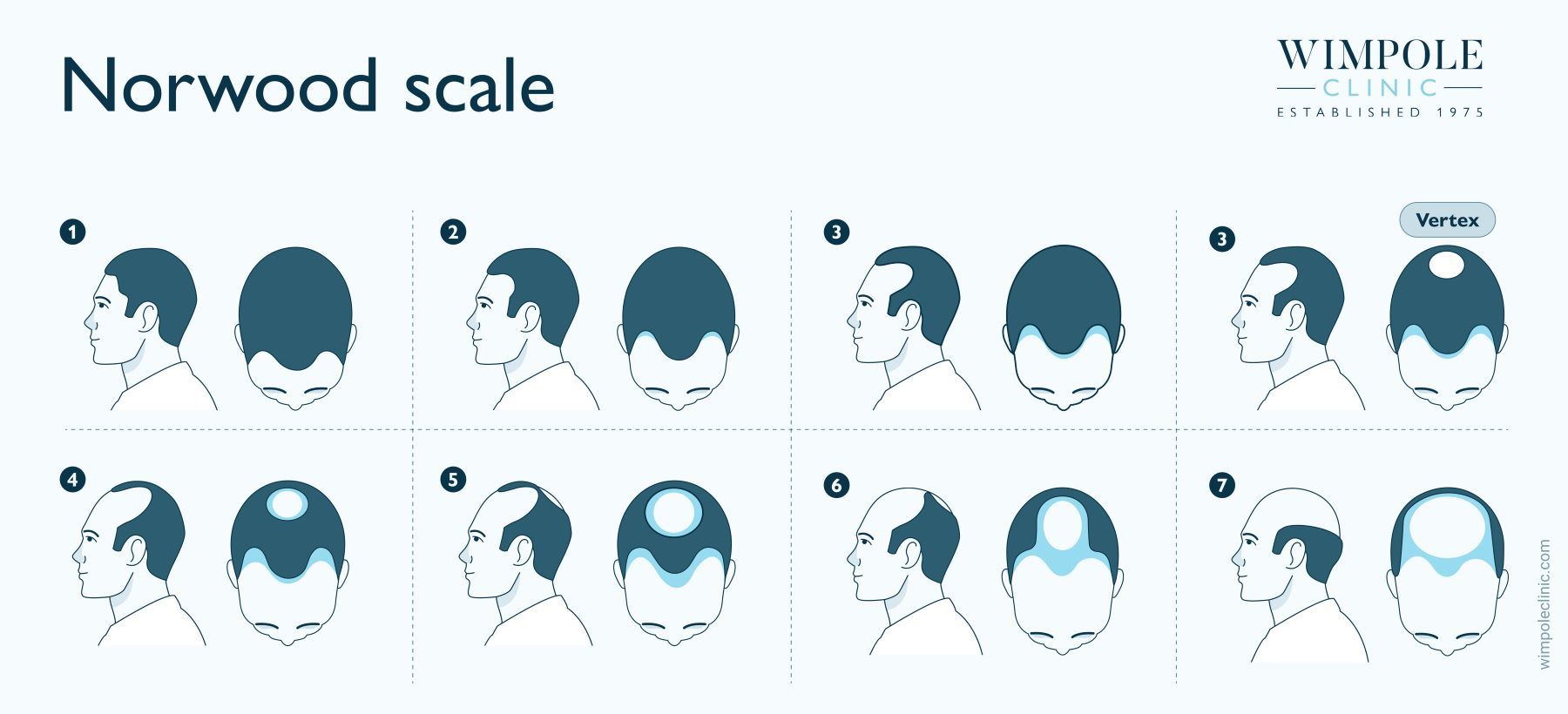
A receding hairline without a bald spot on the crown is stage 2 or stage 3 on the Norwood scale. This scale shows the progression of male pattern baldness, although many men will never experience the final stages.
Traction alopecia
Traction alopecia is a type of hair loss caused by hairstyles that put prolonged pressure on your hair follicles. This type of hair loss is more common among Black men than Caucasians, because people with Afro hair types are more prone to hair loss from cultural styling practices [4]. Traditionally African hairstyles that can put you at a higher risk of traction alopecia include:
- Cornrows
- Dreadlocks
- Tight braids
When worn for extended periods or braided too tightly, these styles may put too much pressure on your hair follicles. Over time, this can cause inflammation and damage, leading to hair loss [5].
Diagnosing a receding hairline in Black men
A trichologist can quickly diagnose the cause of your receding hairline. Hair loss that fits a specific pattern is easily identifiable as male pattern baldness, particularly when you take pictures of your hairline over time.
If your hair loss fits with the pattern of androgenetic alopecia, no further tests are needed. If it doesn’t, traction alopecia and other potential causes will be considered.
You may need further investigation if you have patchy hair loss or other additional symptoms, such as a rash on your scalp. Your clinician may use diagnostic trichology tests, such as blood tests for hair loss or a hair pull test, to identify the reason your hair is falling out.
Treating a receding hairline in Black men
There are plenty of treatments available for a receding hairline. The root cause of your hair loss and other factors will determine which treatment you should use to stop a receding hairline.
A trichologist can work with you to identify the best treatment plan to restore your locks. Here are some of the treatments they may recommend.
Hair loss treatments
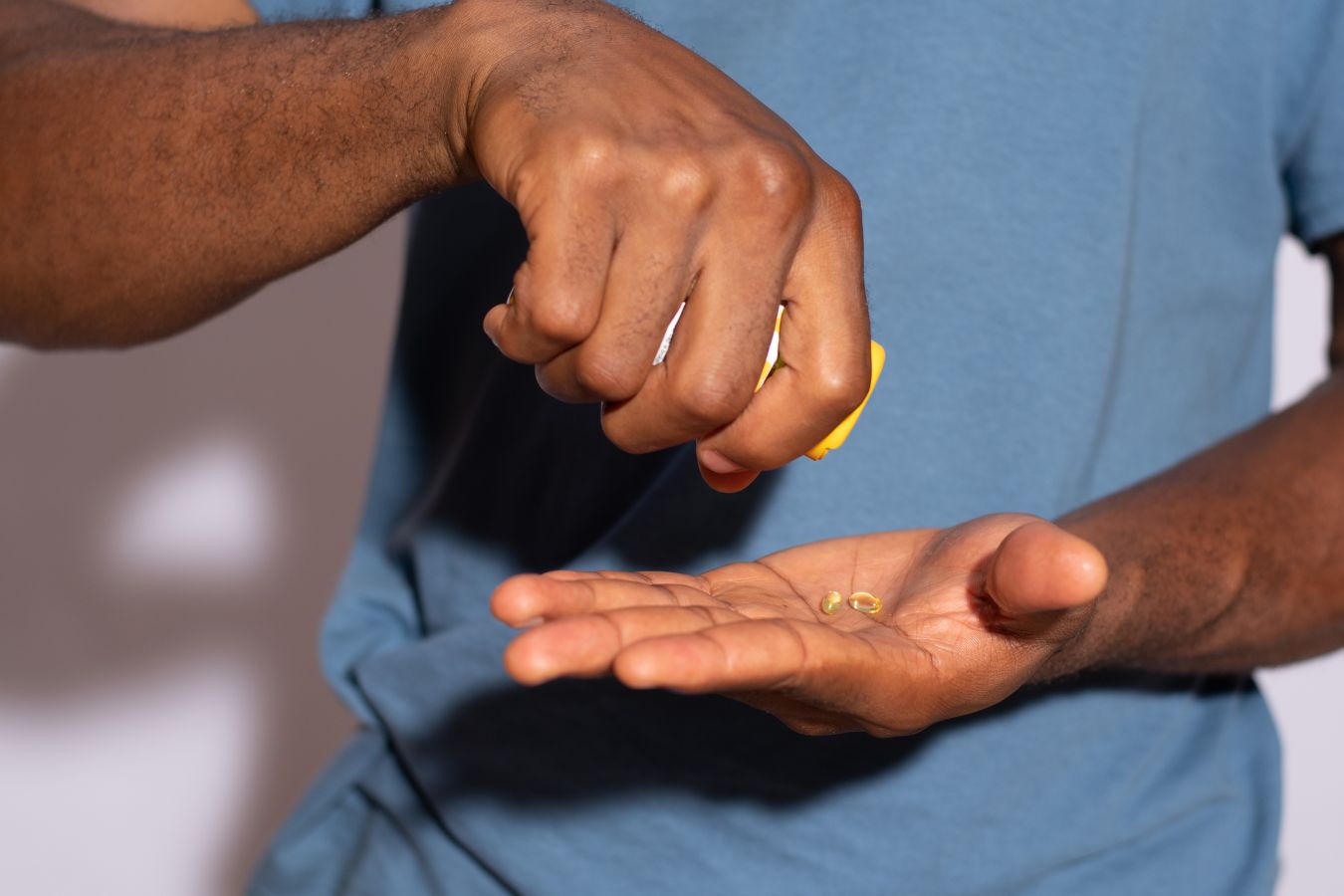
Minoxidil and Finasteride are often the first line of treatment for male pattern baldness, including in Black men. Research shows Minoxidil can improve hair density, thickness, and growth in men with pattern baldness [6]. This medication is available as both topical and oral Minoxidil, although only topical Minoxidil is a licensed treatment for AGA.
Early case studies suggest Minoxidil may be able to treat traction alopecia [7], although more research is needed in this area. Finasteride is not a suitable treatment for traction alopecia.
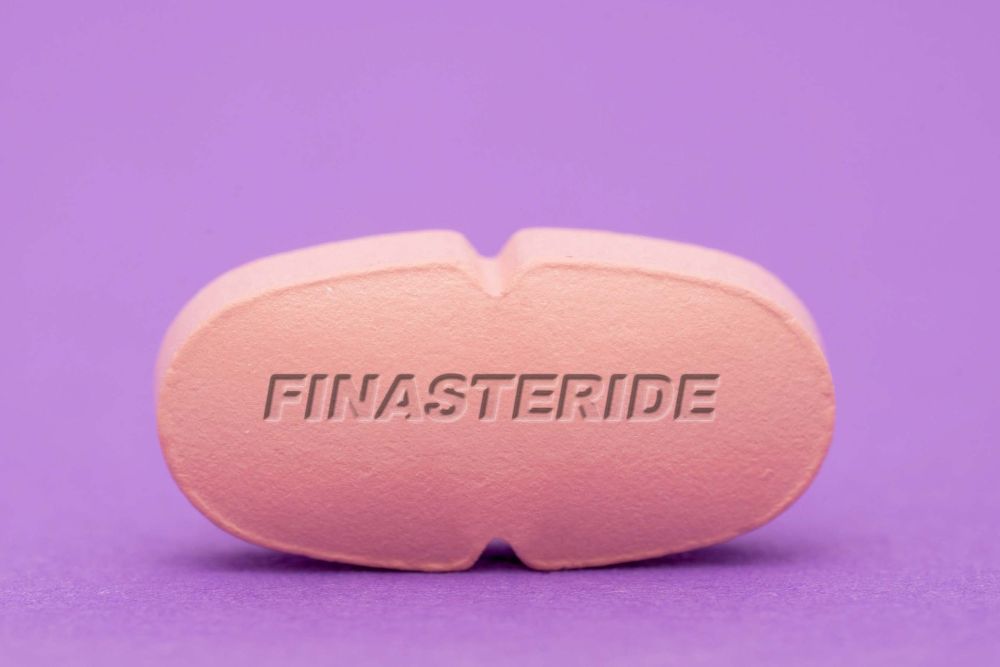
Finasteride is another effective treatment for male pattern baldness [6]. Finasteride works by blocking the 5-alpha reductase enzyme, which converts testosterone into DHT. Studies show Finasteride reduces blood DHT levels by around 70% [8].
Oral Finasteride is licensed for AGA, but topical Finasteride is not [9]. However, unlicensed medications can be prescribed off-label if your doctor thinks they are the best treatment for you.
PRP hair treatment
Platelet-rich plasma (PRP) hair treatment is a type of regenerative medicine. This therapy uses a concentrated sample of platelets from your own blood to stimulate hair follicles, prolonging the growth phase of the hair cycle [10].
Research shows that when this sample is injected into areas of hair loss, it can improve hair growth and density [11]. According to a 2022 study, 84% of research into PRP for male and female pattern baldness showed a positive result [12]. It’s a minimally invasive procedure which is getting steadily more popular as people become aware of its benefits.
Low-level laser therapy
Low-level laser therapy (LLLT) is another popular hair growth treatment. It can improve symptoms of male pattern baldness by stimulating hair growth [13]. It is currently the only non-pharmaceutical treatment approved by the FDA as a treatment for male pattern baldness [14].
Hair transplant
A hair transplant is considered the gold standard treatment for male pattern baldness, including hair transplants for curly hair and coily hair. Hair transplants are permanent, so you can enjoy your new hairline for years to come.
There are two main types of hairline transplant: follicular unit extraction (FUE) and follicular unit transplantation (FUT). Both types involve moving healthy hair follicles from an area of hair growth (the hair transplant donor area) to an area of hair loss.
They differ in the method used to extract hair follicles from the donor area (often the back or sides of the head). FUE uses a micro-punch tool to extract individual follicular units, leaving minimal scarring.
FUT, on the other hand, involves removing a strip of skin from the donor area, which contains multiple hair follicles. This allows more hair follicles to be moved in one go but leaves a hair transplant scar at the donor area.
This scar may be visible if you cut your hair short in the donor area. Sometimes, surgeons recommend a minor FUE procedure to conceal the FUT scar.
Learn more here about the differences between FUE and FUT.
Afro hair transplants come with unique challenges, whether you have an FUE or FUT transplant. Because of the angle at which hair grows from your scalp, surgeons need to take extra care when harvesting grafts.
You also need a surgeon who’s very familiar with how Afro hair grows so they can implant grafts in a natural-looking pattern. Fortunately, we have highly specialised surgeons at the Wimpole Clinic who regularly perform Afro hair transplants.
What else causes hair loss in Black men?
Male pattern baldness and traction alopecia are the leading causes of a receding hairline in Black men. However, other hair loss conditions may cause you to lose hair around the front of your scalp.
Alopecia areata
Research suggests you may be more at risk of alopecia areata if you are a Black man. A 2020 study found that this condition was more common in African-Americans than Caucasians in the US [15].
Alopecia areata is an autoimmune condition in which white blood cells attack your hair follicles. This can damage them, causing patchy hair loss over time.
Telogen effluvium
Telogen effluvium (TE) presents as diffuse hair thinning across your scalp. It’s caused by a triggering event that results in physical or emotional stress. Potential causes of telogen effluvium in Black men include [16]:
- High fever — This can trigger TE, although it’s more common in elderly women.
- Surgical trauma – Physical stress from surgery can cause temporary hair shedding.
- Severe haemorrhage — Significant blood loss may disrupt your hair growth cycle.
- Severe psychological stress – Emotional stress can cause hair loss.
Scalp conditions
Common scalp problems like scalp psoriasis or scalp folliculitis can also cause hair loss. These conditions can cause inflammation and damage hair follicles.
Medications
Certain medications can cause hair loss in Black men as a side effect. These include:
Nutritional deficiencies
Certain mineral or vitamin deficiencies can lead to hair loss, such as iron deficiency anaemia. Make sure you eat a balanced diet for healthy hair growth, containing plenty of protein, iron, and zinc to give your hair what it needs. Research suggests you’re better off getting these nutrients naturally through your diet than taking hair growth supplements in many cases.
However, there are some exceptions. For example, research suggests that people from the African-Caribbean community should consider taking additional vitamin D supplements, as well as eating more foods rich in vitamin D. For Black people living in the UK, vitamin D deficiency is particularly common [20]. Our research into vitamins for hair growth found that Vitamin D deficiency has been linked with several types of hair loss, including alopecia areata and telogen effluvium.