

Medically reviewed by
Dr. Michael May (FRCS) — Updated on July 10, 2026
Dr. Michael May (FRCS) — Updated on July 10, 2026



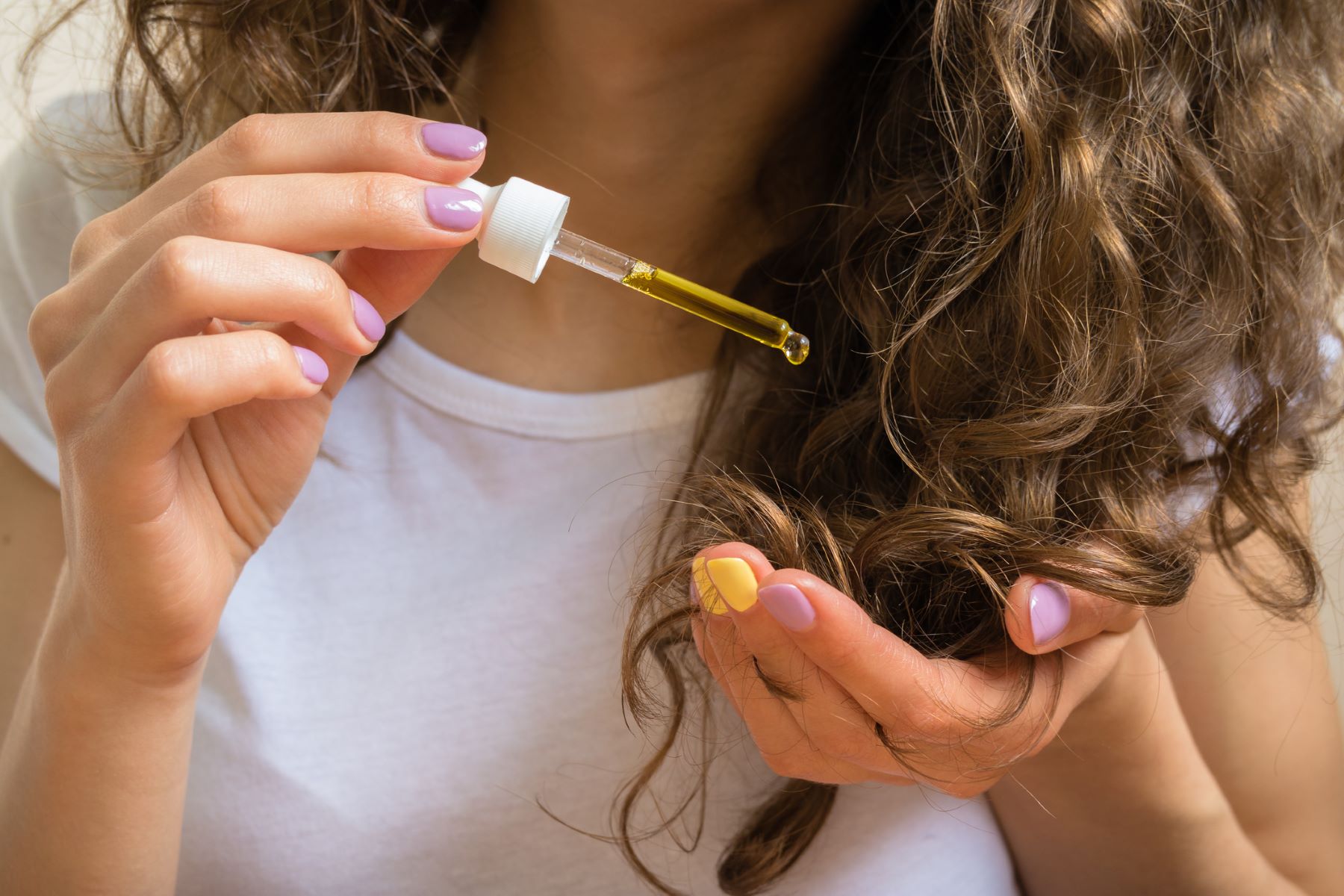
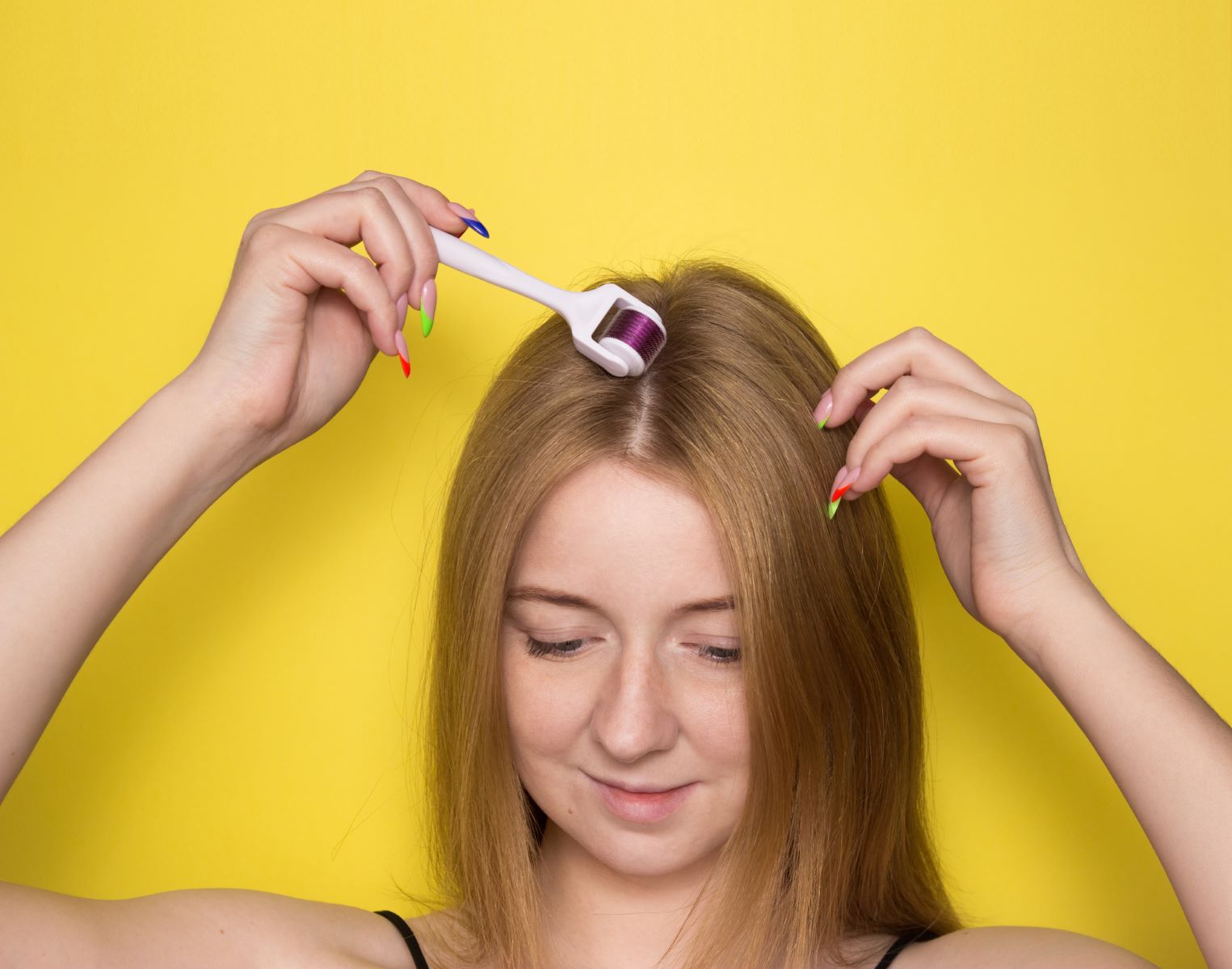




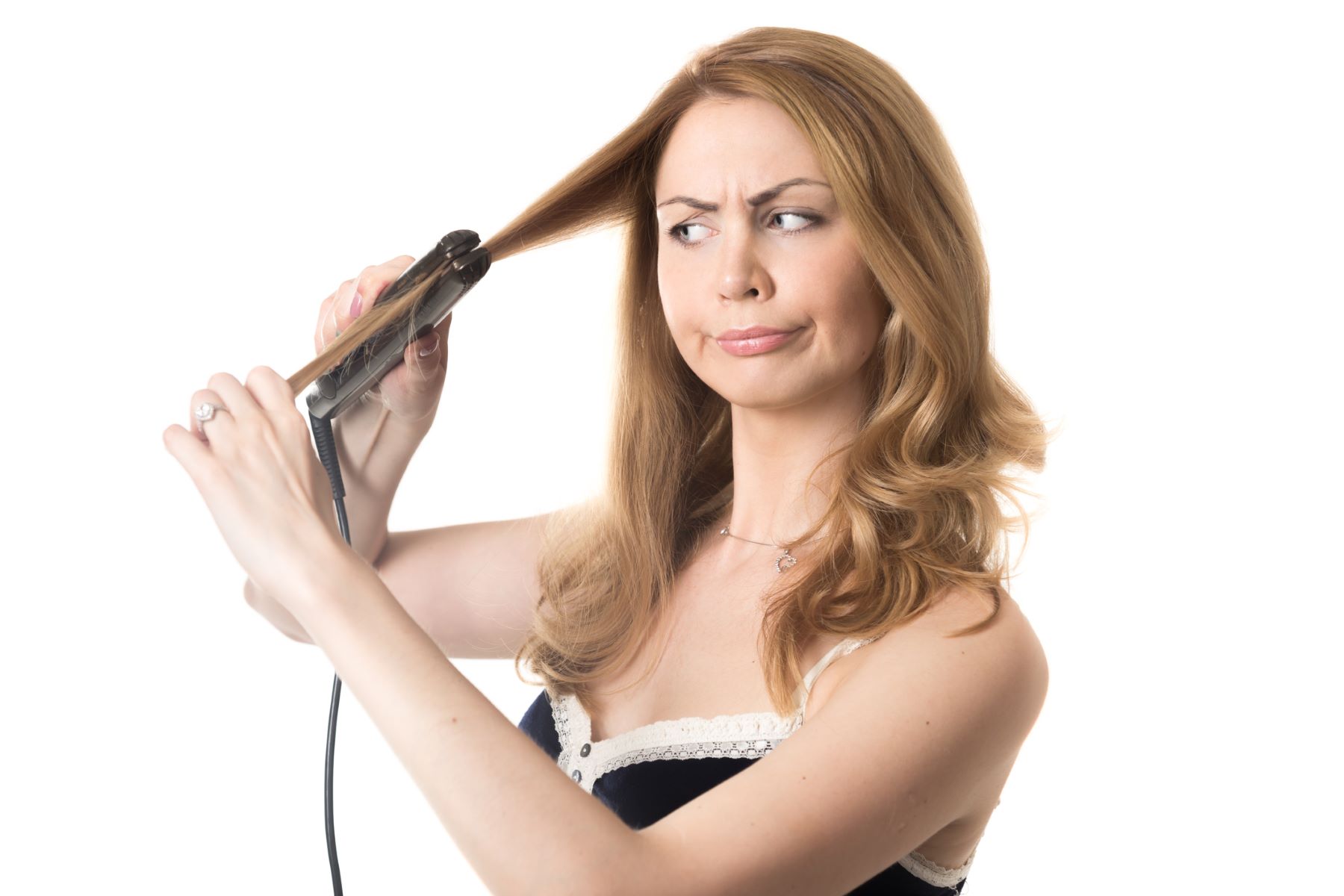

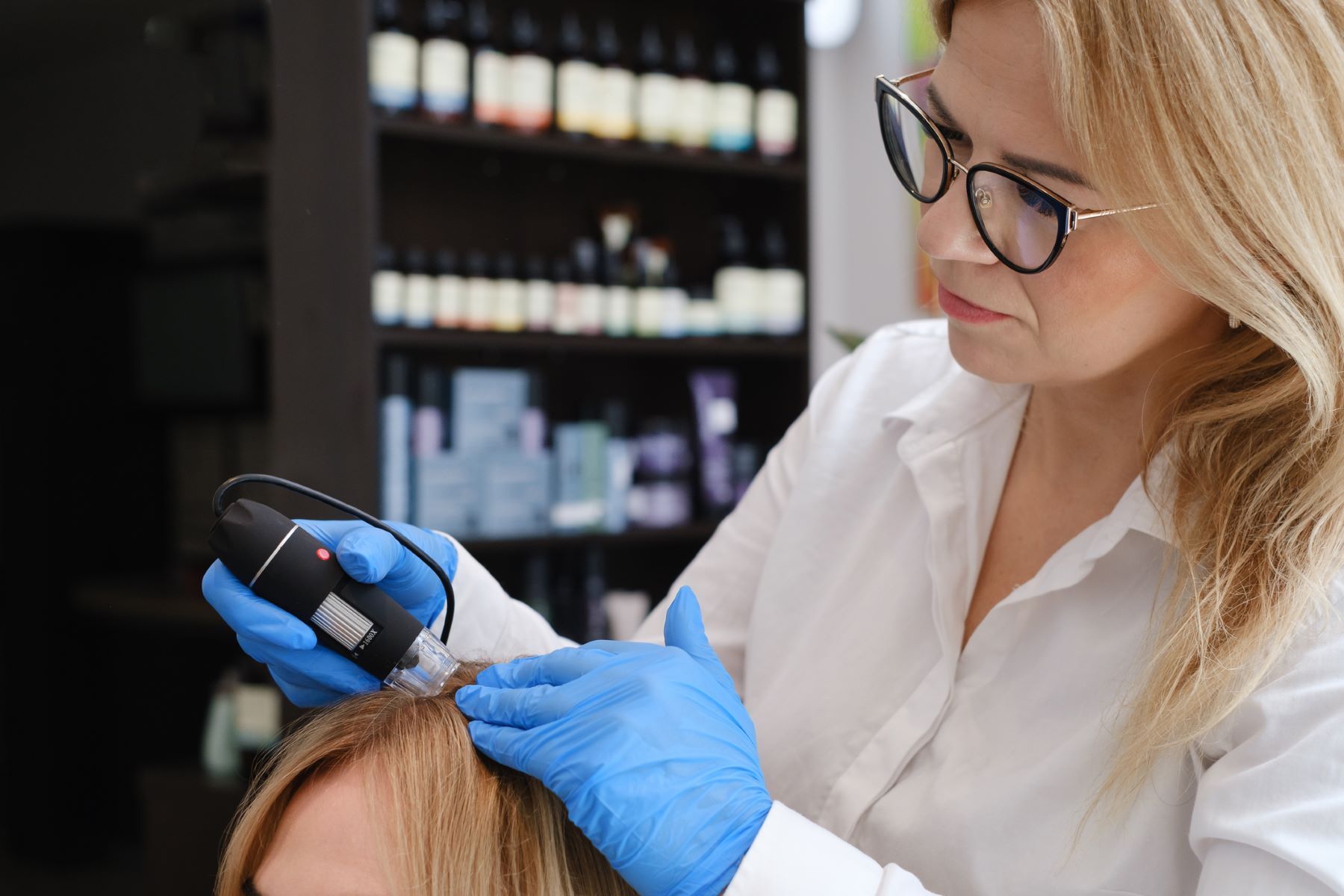

If your alopecia is mild to moderate, your trichologist will likely recommend evidence-based hair loss medications (e.g. Minoxidil 2%) or therapies (e.g. red light therapy for hair growth or PRP hair treatment). However, if it is more advanced or you don’t respond to non-surgical hair growth treatments, they may check whether you are a good candidate for a natural looking hair transplant.
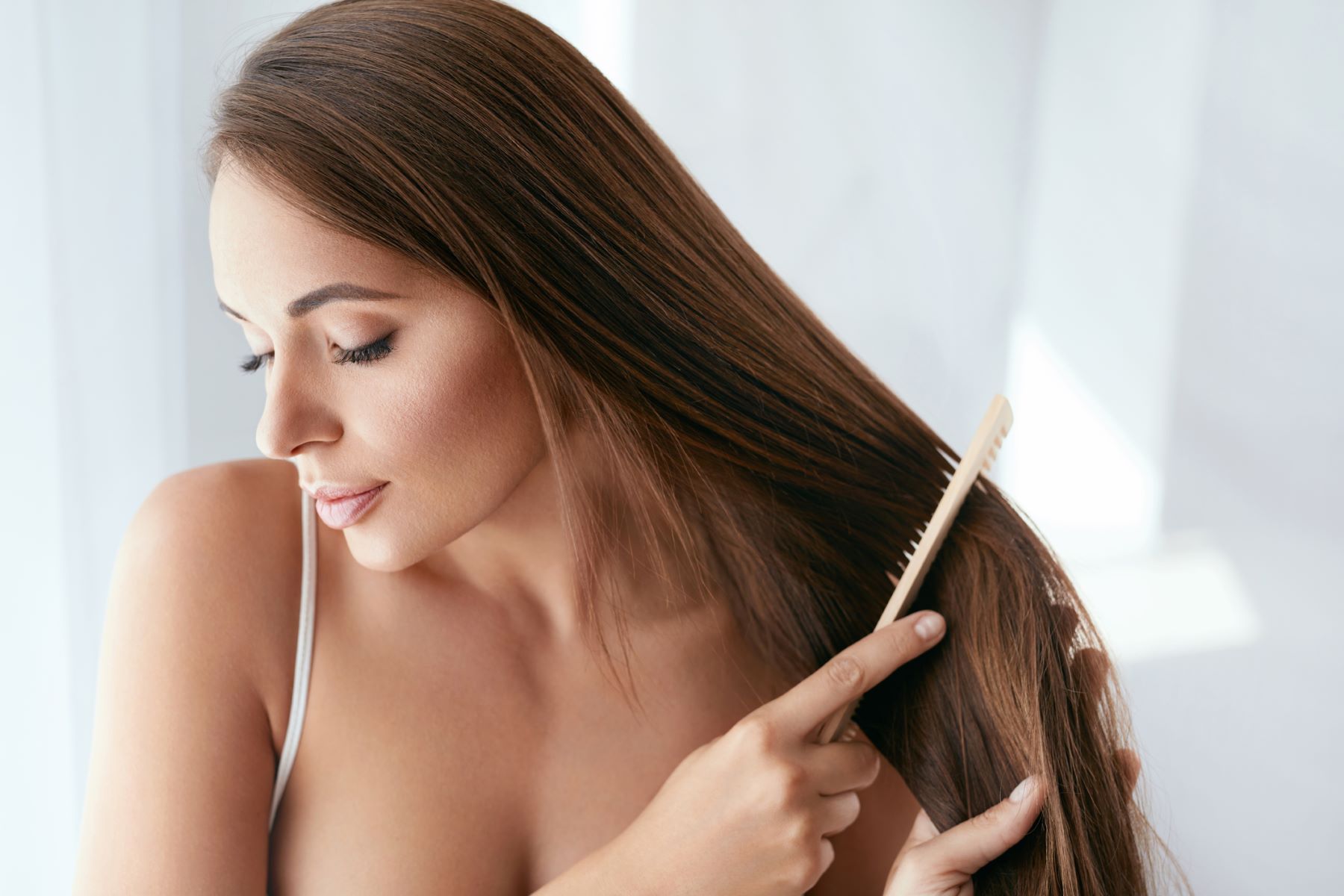
However, even if your hair thinning is temporary and reversible, an appointment with a hair specialist is still worth it. While the hair care routine tips provided here are general, trichologists can assess your hair properties and help you develop a personalised one just for you. They can also advise you regarding the best shampoo for thinning hair and recommend the most effective hair growth and thickness products for your particular hair type.


Medically reviewed by Dr. Michael May (FRCS)
— Updated on July 10, 2026
The Wimpole Clinic offers FUE Hair, Beard & Eyebrow Transplants & Trichology.
Talk to a specialist ☎ 020 7935 1861.
Talk to a specialist ☎ 020 7935 1861.
Medically reviewed by
Dr. Michael May (FRCS) — Updated on July 10, 2026
Dr. Michael May (FRCS) — Updated on July 10, 2026
Book Your Free Hair Transplant Consultation
Simply fill in your details and we’ll get in touch with you shortly.