Foaming agents
Surprisingly, shampoo does not naturally produce foam. Lathering agents need to be added. However, those commonly used by Head & Shoulders are gentle and soften your hair rather than drying it out. One such example is cetyl alcohol. While some types of alcohol can dry your hair, this fatty alcohol lubricates your strands instead.
pH balancing agents
Detergents commonly used in shampoo have an alkaline pH, which can make your hair shaft swell, loosening the cuticle. Adding pH-balancing agents helps reduce this effect.
Head & Shoulders uses certain substances (including sodium hydroxide and hydrochloric acid) that could be harmful when applied directly to hair. However, as soon as they are added to the shampoo, these ingredients react with other components, stabilising the solution pH and turning into salt and water.
Thickening agents
Thickening agents give your shampoo the right texture and consistency. Head & Shoulders products contain salt, which helps to thicken them.
While salt is normally harmless to oily or normal hair, it may accentuate dry hair. However, the salt quantities used in shampoo are likely too small to cause harm and any effect is usually countered by moisturising and conditioning agents.
Preservatives
Head & Shoulders uses several kinds of preservatives meant to prevent microbial growth and prolong product shelf life. However, one of the preservatives they use in the US, methylchloroisothiazolinone, has been banned for use in cosmetic products in the EU and the UK for safety reasons [11].
Head & Shoulders products sold in these countries do not contain this preservative. Instead, they use other options, such as benzyl alcohol and sodium benzoate, which have been deemed safe for cosmetic use [12].
Additives
Like most cosmetic products, Head & Shoulders shampoos and conditioners contain synthetic fragrances and sometimes colourants. They also enhance some of their products with plant extracts that have hair health-enhancing properties (such as bamboo shoot extract or aloe vera leaf extract). These additives are generally considered safe for hair at the concentrations used in shampoos and conditioners.
Can other shampoos make your hair fall out?
The short answer is normally no. Some brands develop a bit of a reputation for causing hair problems (for example, some people wrongly associate Cantu with hair loss), but shampoos sold in Great Britain have to comply with the UK Cosmetics Regulation, which has strict rules about ingredient safety. So normally, shampoos do not cause hair loss in a healthy person.
You might, however, experience increased hair breakage if using a harsh formulation on dry, damaged hair. You may also notice temporary hair shedding if you develop a rare allergic reaction to one of the ingredients. However, normally, shampoos are unlikely to cause allergies [10].
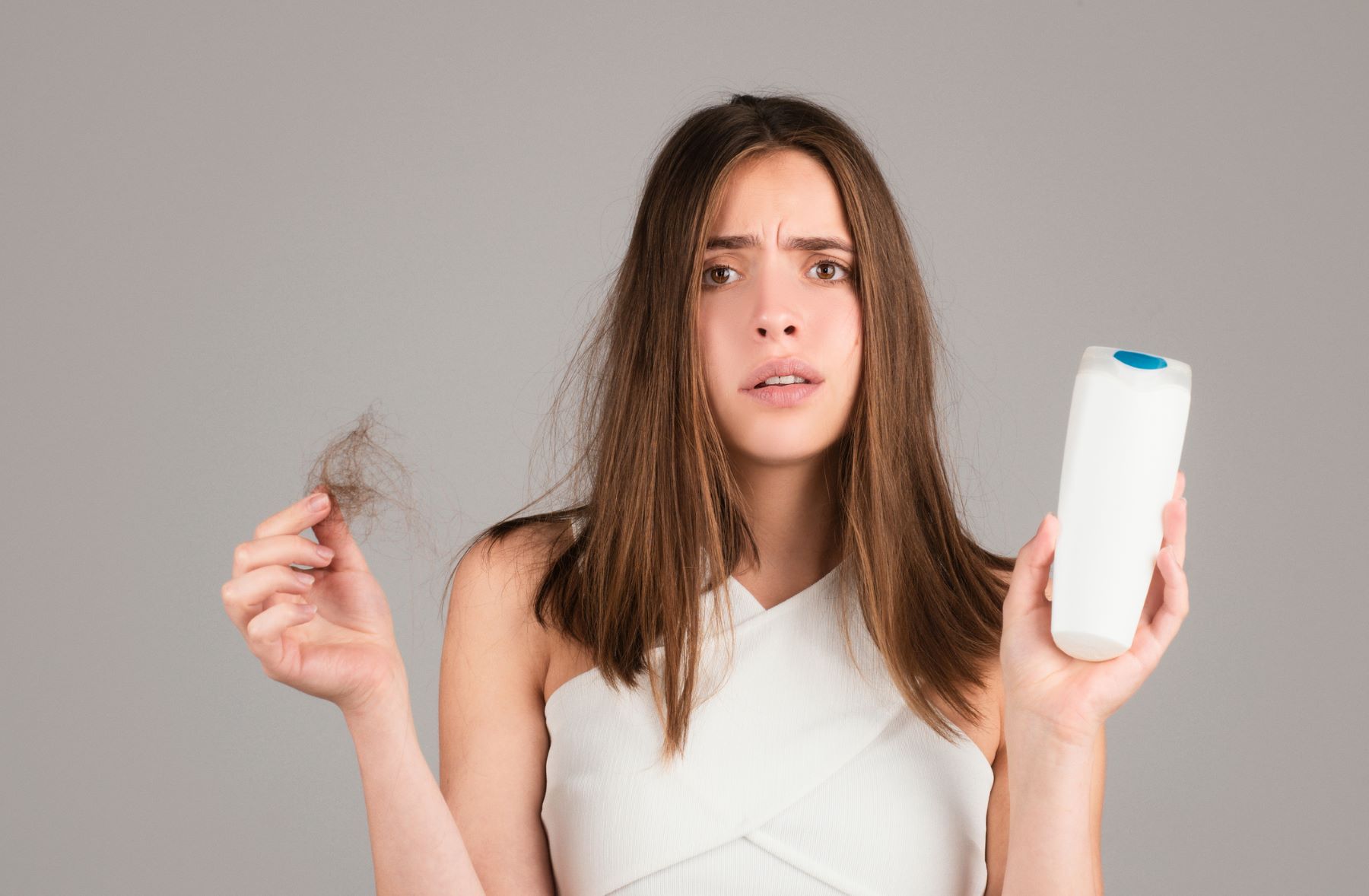
There are some anecdotal accounts of people experiencing hair loss when using certain shampoos or switching brands. However, studies have revealed no causal relationship between shampoo use and hair shedding [13]. Research suggests that users mistakenly attribute hair thinning from other causes (e.g. unhealthy hair grooming practices, telogen effluvium, diet or medication-induced hair loss) to their shampoo.
However, it is worth noting that shampoos containing harsh chemicals can strip your hair and scalp of their natural oils. So if your tresses are already dry and brittle, you may experience more breakage than usual when using a shampoo that is not appropriate for your hair type. Fortunately, this can be easily managed by using a conditioner after each wash and, if needed, using an effective dry hair treatment.
Can Head & Shoulders shampoo really eliminate dandruff?
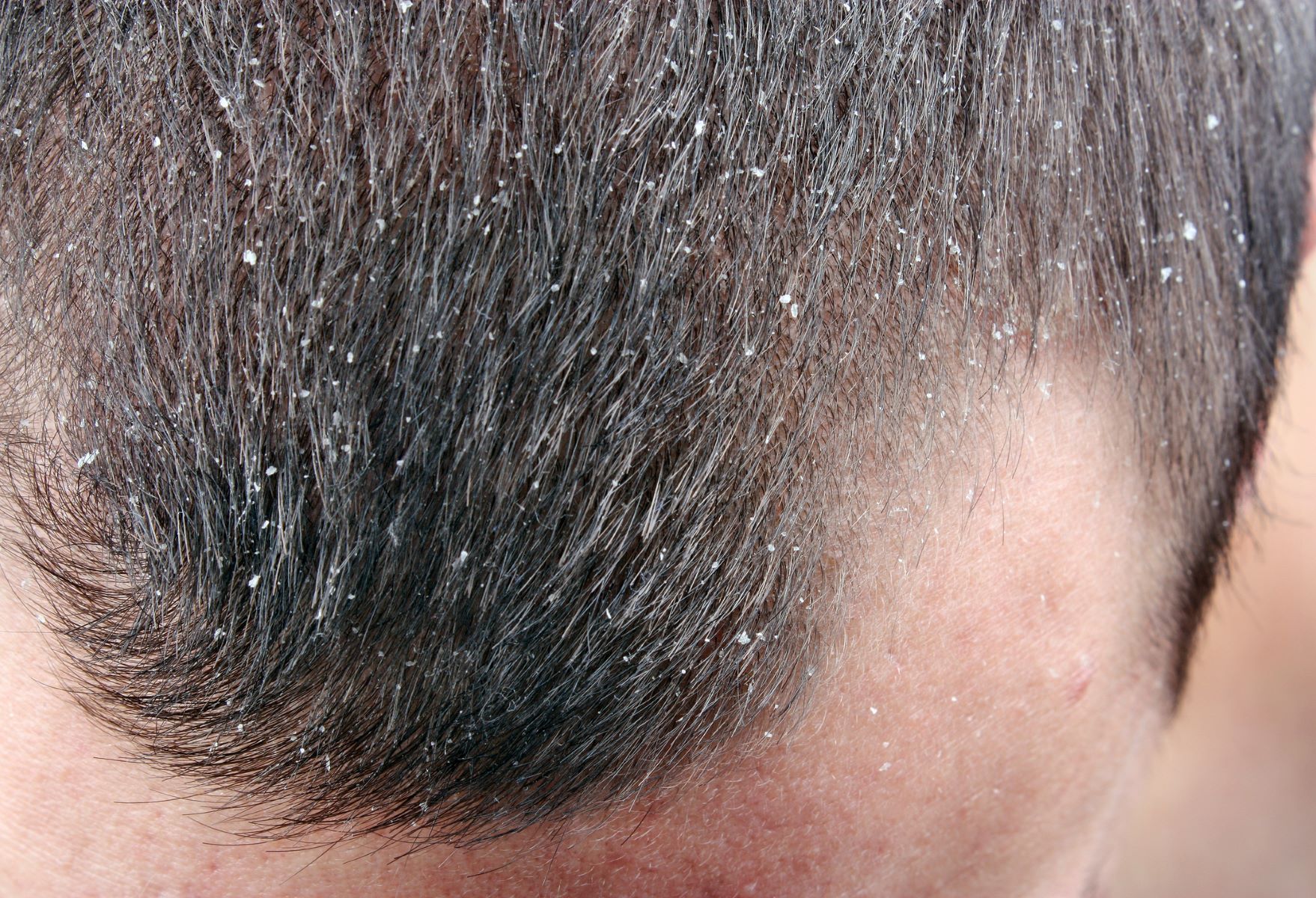
Head & Shoulders may indeed have a beneficial effect on your dandruff. The few independent comparative studies available show some of their products effectively reduce dandruff and related symptoms [14][15].
However, the effectiveness of the shampoo depends on several factors, such as the type and severity of dandruff you have, the product formulation you are using, and your scalp’s reaction to the shampoo.
The active ingredients this brand uses, such as piroctone olamine, selenium sulphide and tea tree oil, can effectively reduce dandruff and seborrheic dermatitis. They may also improve the symptoms of some other common scalp problems (such as scalp psoriasis). However, not everyone’s scalp responds the same way. Advanced conditions may require prescription treatments or advice from a dermatologist or trichologist.
Your hair wash frequency can also impact dandruff formation, especially when caused by a dry scalp. Research shows that washing your hair at least 5-6 times a week improves scalp dryness and reduces dandruff. Washing it less than weekly can exacerbate these problems [16].
Is Head & Shoulders shampoo good for hair?
No recent, publicly available, independent studies assess the effect of Head & Shoulders shampoo on your hair. However, judging by the ingredient list, it is likely that Head & Shoulders is comparable to most other commercially available shampoo brands in its price range in terms of cleaning, conditioning and nourishing your hair.
To help you decide whether Head & Shoulders shampoo and conditioner may be a good choice for you, here are some of its main benefits and drawbacks (please keep in mind that this is a general assessment; certain formulations can have different specific properties):
| Head & Shoulders shampoo benefits | Head & Shoulders shampoo disadvantages |
- It can clean your hair and scalp thoroughly
- It contains active ingredients that are effective against dandruff and seborrheic dermatitis
- It can improve hair volume and shine
- It can moisturise, lubricate and soften your hair
- 2-in-1 formulas can help reduce frizz and make hair more manageable
- It does not contain parabens
- Some formulations contain vegetable oils and plant extracts known to increase your hair strength and health
| - It can be harsh on dry or damaged hair and scalp (unless specific formulations for dry hair are used)
- Some of its ingredients may cause buildup over time with frequent use
- It may not be the best choice for curly or textured hair that need more moisturisation
- It has a less varied product range than some other popular shampoo brands (e.g. L’Oreal, Garnier)
- The sulphates it contains may make dyed hair fade faster
- Rarely, it may cause allergic reactions in people with sensitivity to its ingredients
|