Is it possible for my hair to grow back?
The answer to this question strongly depends on the cause of your hair loss. It can be hard to self diagnose, but a trichologist can often tell you fairly quickly. Here, we’ll look at the most common types of alopecia and whether your hair is likely to grow back.
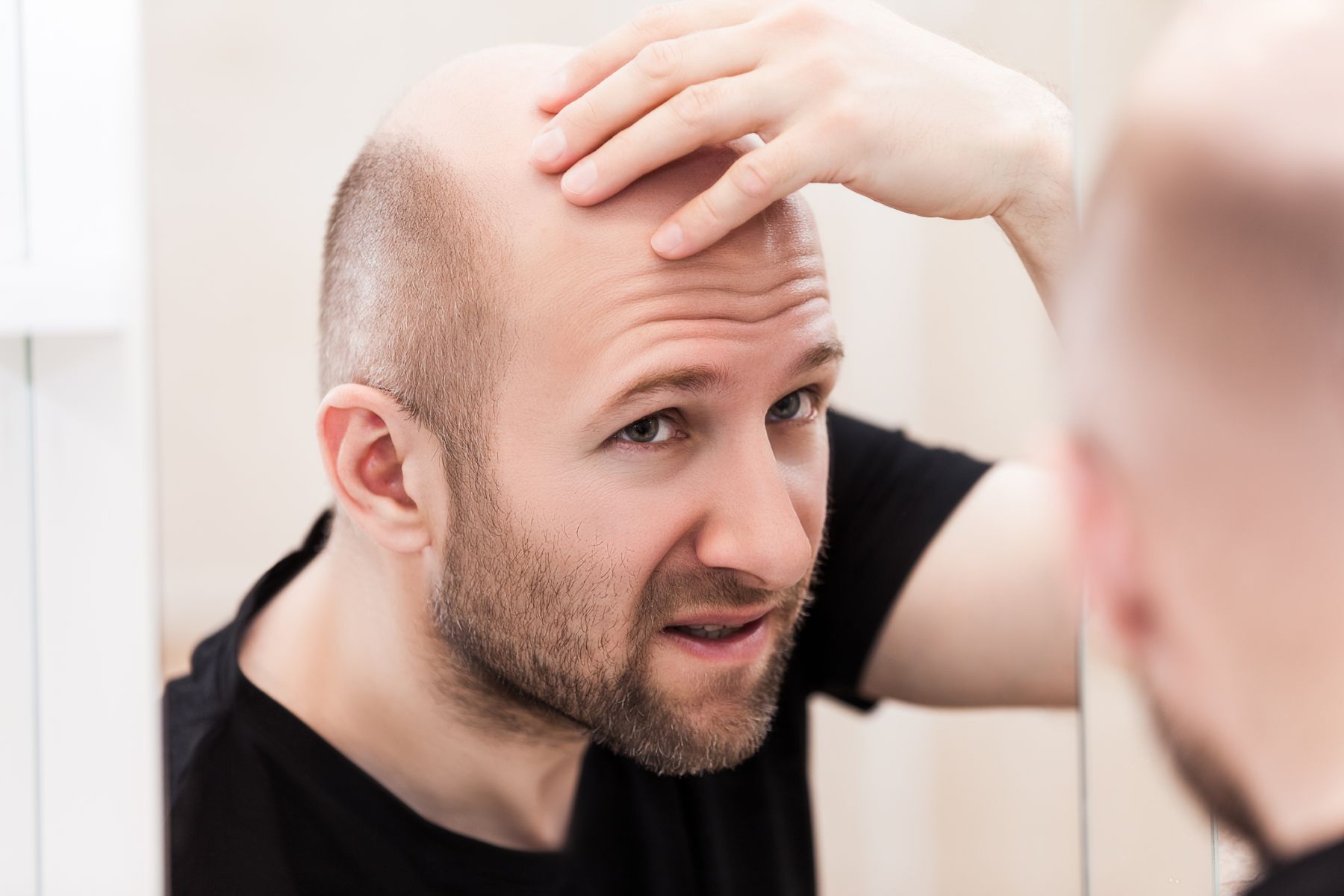
Androgenetic alopecia
Also known as male or female pattern baldness, this is the most common type of hair loss. It follows a predictable pattern, shown on the Norwood scale for men and the Ludwig scale for women.
Hair loss from androgenetic alopecia (AGA) will not grow back on its own. However, there are plenty of effective treatments to help your hair regrow.
Telogen effluvium
This is a type of hair loss often caused by stress, illness, medications, or hormonal changes such as pregnancy or childbirth. Fortunately, telogen effluvium is usually a temporary type of hair loss.
Hair shedding usually starts around 2-3 months after the onset of a triggering event [2] and resolves on its own within 6 months after the trigger is addressed [3]. Telogen effluvium lasting longer than 6 months is considered chronic.
Alopecia areata
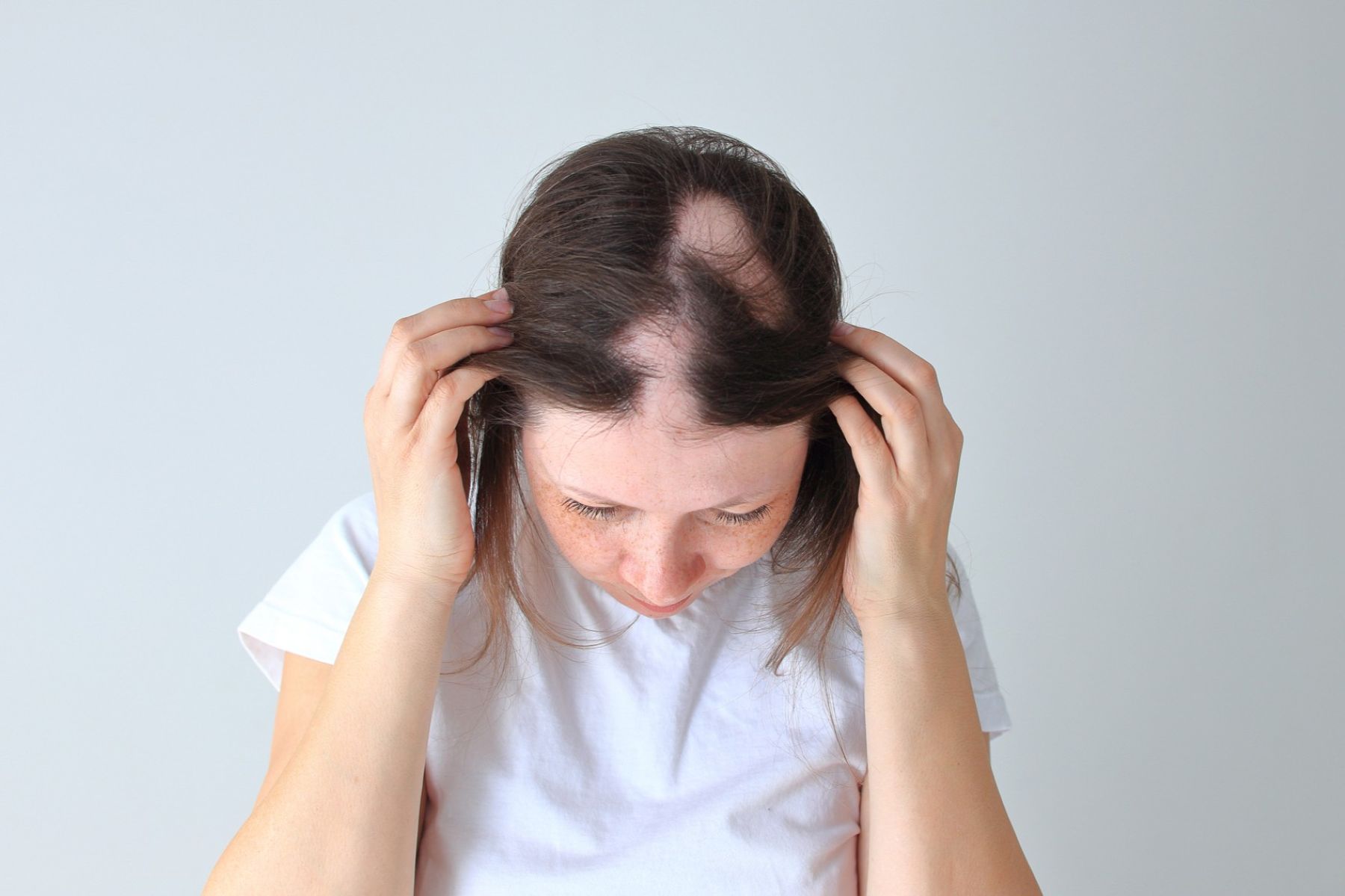
Alopecia areata is an autoimmune condition that causes patchy hair loss on your scalp and body. Alopecia universalis, a variant of this condition, can cause total hair loss over your whole body.
In alopecia areata, white blood cells attack your hair follicles, leading to hair loss. In many cases, your hair will grow back, although it can be patchy and unpredictable. Hair loss from alopecia areata sometimes grows back without treatment, but you may need treatment to trigger regrowth.
Traction alopecia
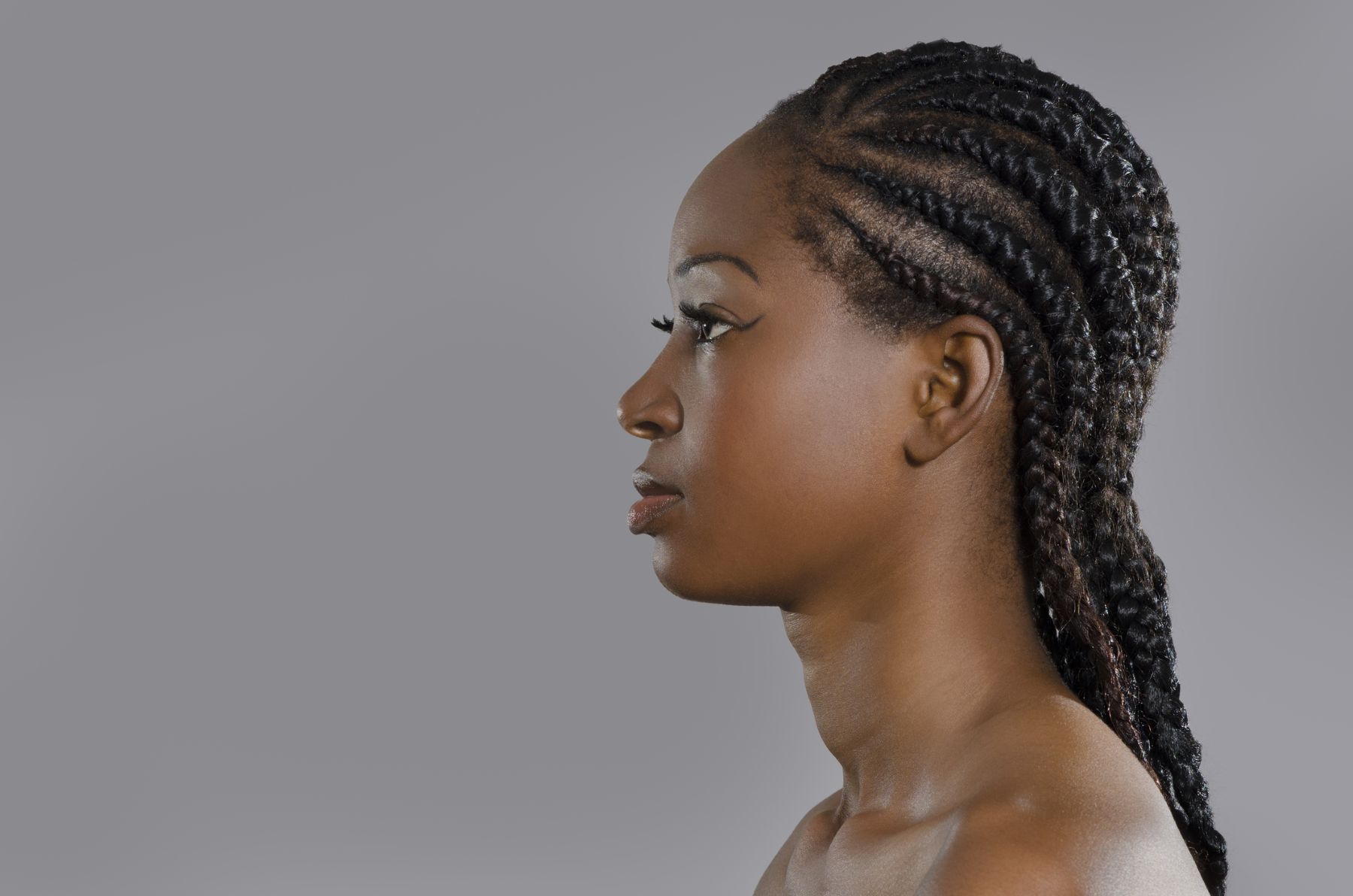
Traction alopecia is caused by excessively tight hairstyles that pull on your hair, like tight ponytails, man buns, or braids. They can only cause hair loss when left in place for long periods or worn repeatedly, such as the tight buns that ballet dancers often wear every day.
If this condition is caught early on and the traction stops, your hair has a good chance of growing back. If you have areas of scarring, you might not get any hair regrowth in those spots.
Trichotillomania
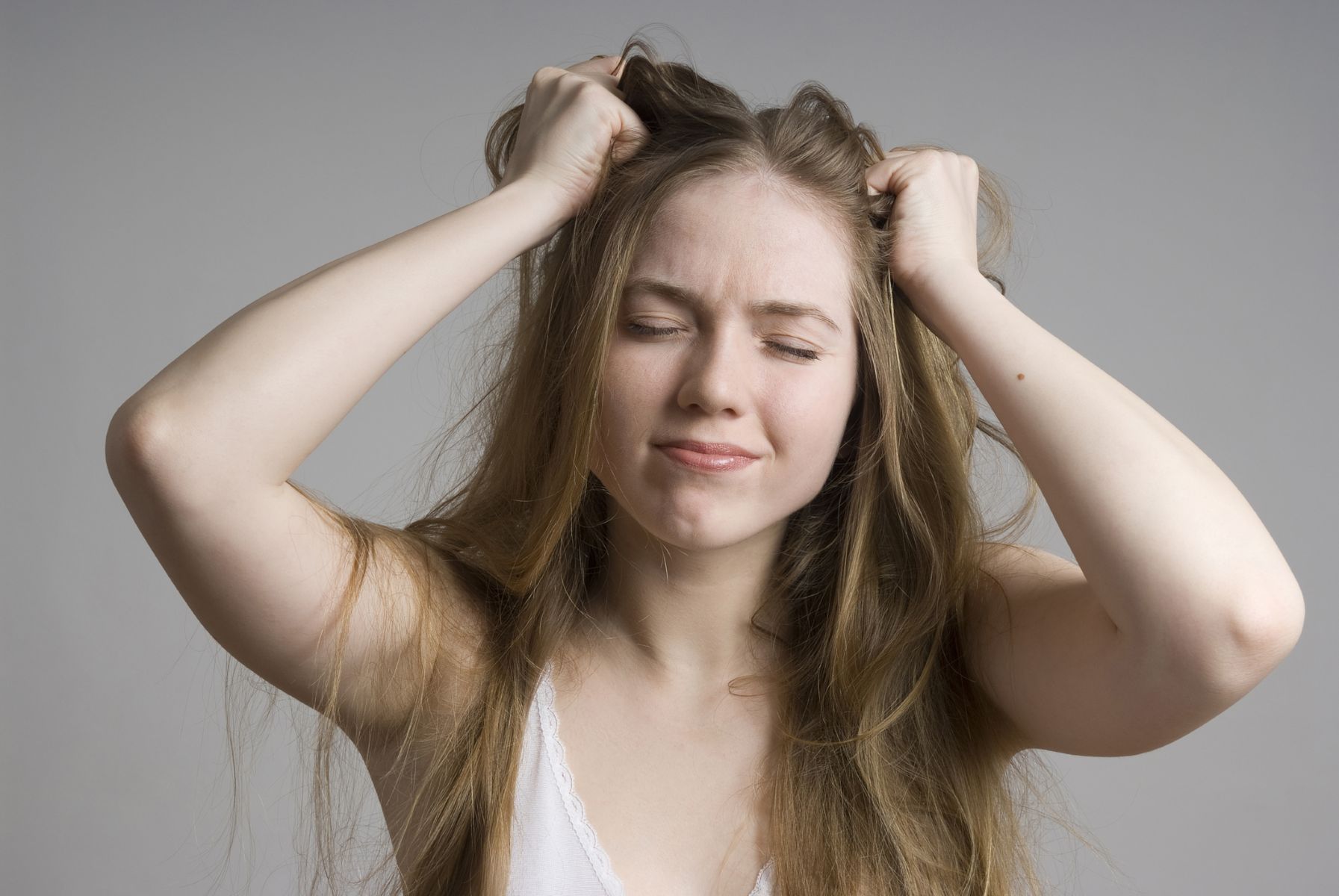
Trichotillomania is a type of compulsive hair pulling which is often linked to anxiety or stress [4]. Hair loss from this condition can often grow back if the hair pulling stops before you do any permanent damage. Chronic hair pulling can lead to scarring and permanent hair loss in some cases.
Scarring alopecia
Cicatricial (scarring) alopecia is a group of rare conditions that destroy hair follicles and cause permanent hair loss. When treated properly, it’s possible to stop further hair loss, but you can’t reverse the damage that’s already done, except with a hair transplant in some cases.
How to get hair to grow back
Each type of hair loss needs a different treatment. This is why it can be challenging to treat your own hair loss if you’re not sure what’s causing it.
Androgenetic alopecia
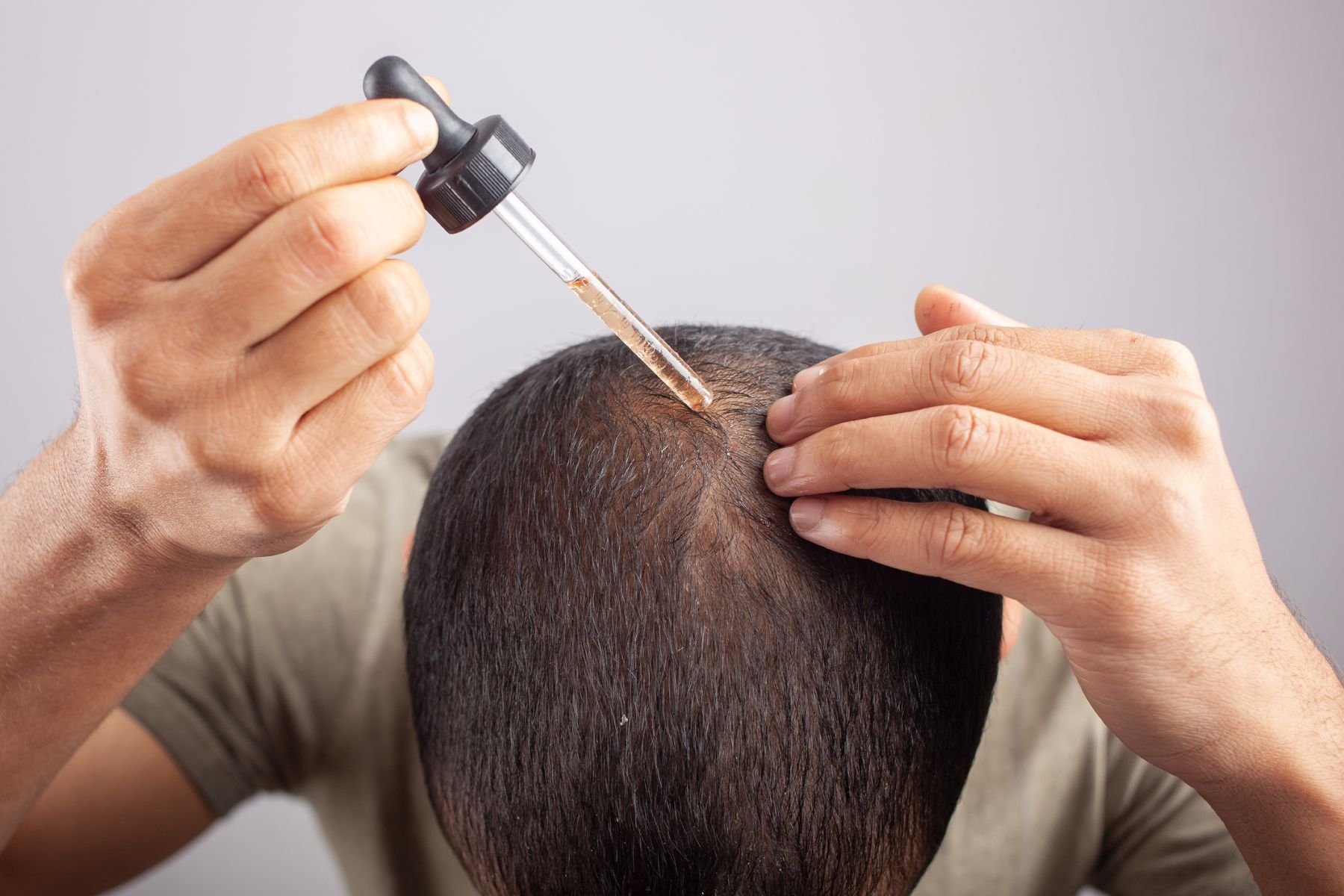
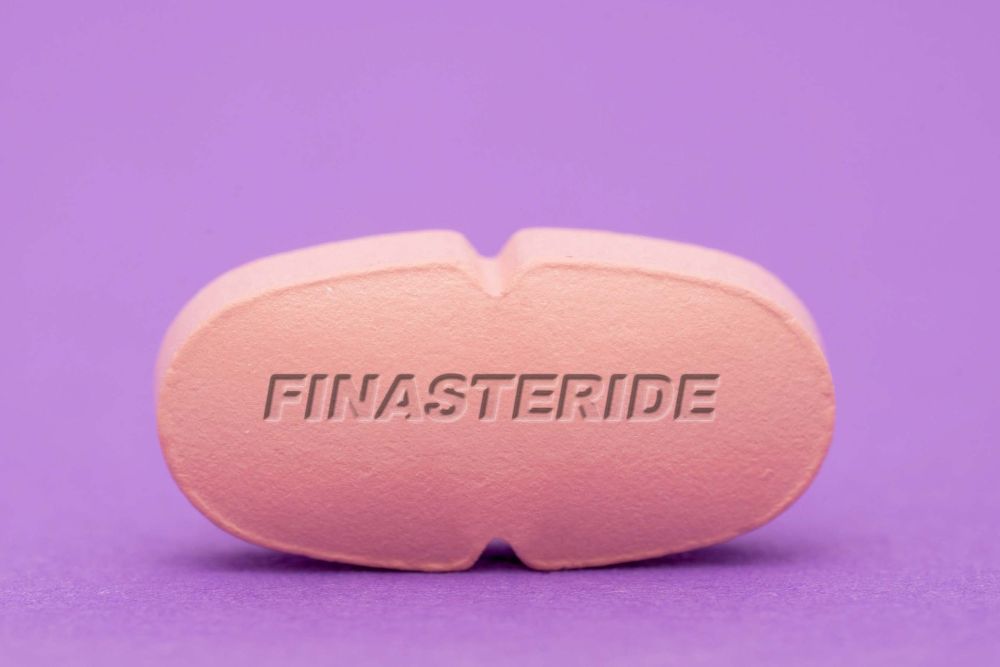
The first line of treatment for AGA is usually hair loss medication, such as Finasteride or Minoxidil. These medications can be very effective, but results usually take 3 to 6 months to become visible and they need consistent use. If you stop using the medication, your hair loss is likely to return within a few months.
PRP hair treatment can also help with AGA — it involves injecting a concentrated sample of platelets from your own blood into areas of hair loss. This stimulates hair follicles for growth and can improve hair density and growth [5].
A hair transplant is the only permanent solution for AGA. The procedure involves moving healthy hair follicles from areas of hair growth to areas of hair loss. Results are incredibly natural when performed by a skilled surgeon, but not everyone is a good candidate for the procedure.
Telogen effluvium
This condition usually resolves on its own, but there are things you can do to speed up the process. The first step is identifying and removing the trigger — you often need a hair doctor to help with this.
Once a specialist has identified the cause of your hair loss, they may recommend changes to your diet, hair growth supplements if you are deficient in a specific vitamin or mineral, and support for stress management. Research suggests that oral Minoxidil may also be helpful for telogen effluvium [6].
Alopecia areata
Management of alopecia areata often requires specialist care to regrow hair on bald spots. Treatments may include:
Learning stress management techniques can also help, and your specialist can help you avoid or reduce your autoimmune triggers alongside any medical treatment.
Traction alopecia
The quickest way to stop hair loss from traction alopecia is to stop wearing your hair in any kind of tight hairstyle immediately to prevent further damage. Switching to loose hairstyles is often enough to get your hair to grow back.
In some cases, you may need topical Minoxidil to stimulate regrowth. If you have areas of scarring, a hair transplant might be the only option to regrow your hair.
Trichotillomania
Support from a mental health professional is the best way to get hair loss from trichotillomania to regrow. Cognitive behavioural therapy (CBT) is often recommended as the first line of treatment [11].
When you stop pulling your hair out, it should regrow on its own. However, in severe cases, you may need a hair transplant to regrow hair in areas of scarring. Learn more about getting a hair transplant on scar tissue.
Scarring alopecia
You need treatment from a hair loss specialist for scarring alopecia as soon as possible to stop it from getting worse. Treatments may include:
- Anti-inflammatory medication
- Topical steroids
- Antibiotics
These treatments won’t regrow hair in scarred areas, but they may preserve unaffected hair follicles nearby. If your scarring alopecia becomes stable, you may be a good candidate for a hair transplant to regrow your hair.
The best lifestyle habits for hair regrowth
No matter the cause of your hair loss, there are several lifestyle changes you can make to encourage hair growth. Here are some of our top tips:
- Get the right nutrients — Eating a balanced diet for healthy hair growth, including plenty of iron, zinc, and protein, can encourage healthy hair growth.
- Manage stress — Chronic stress can trigger hair loss or make it worse [12]. If stress is playing a role in your hair loss, stress management techniques like mindfulness, gentle movement, or speaking to a mental health professional may help your hair to regrow.
- Limit heat styling — Using excessive heat on your hair (with tools like straighteners or curlers) can cause heat-damaged hair. This can lead to hair breakage, giving the impression of slow growth. If you must use these tools, keep the heat as low as possible and use a heat protection spray.
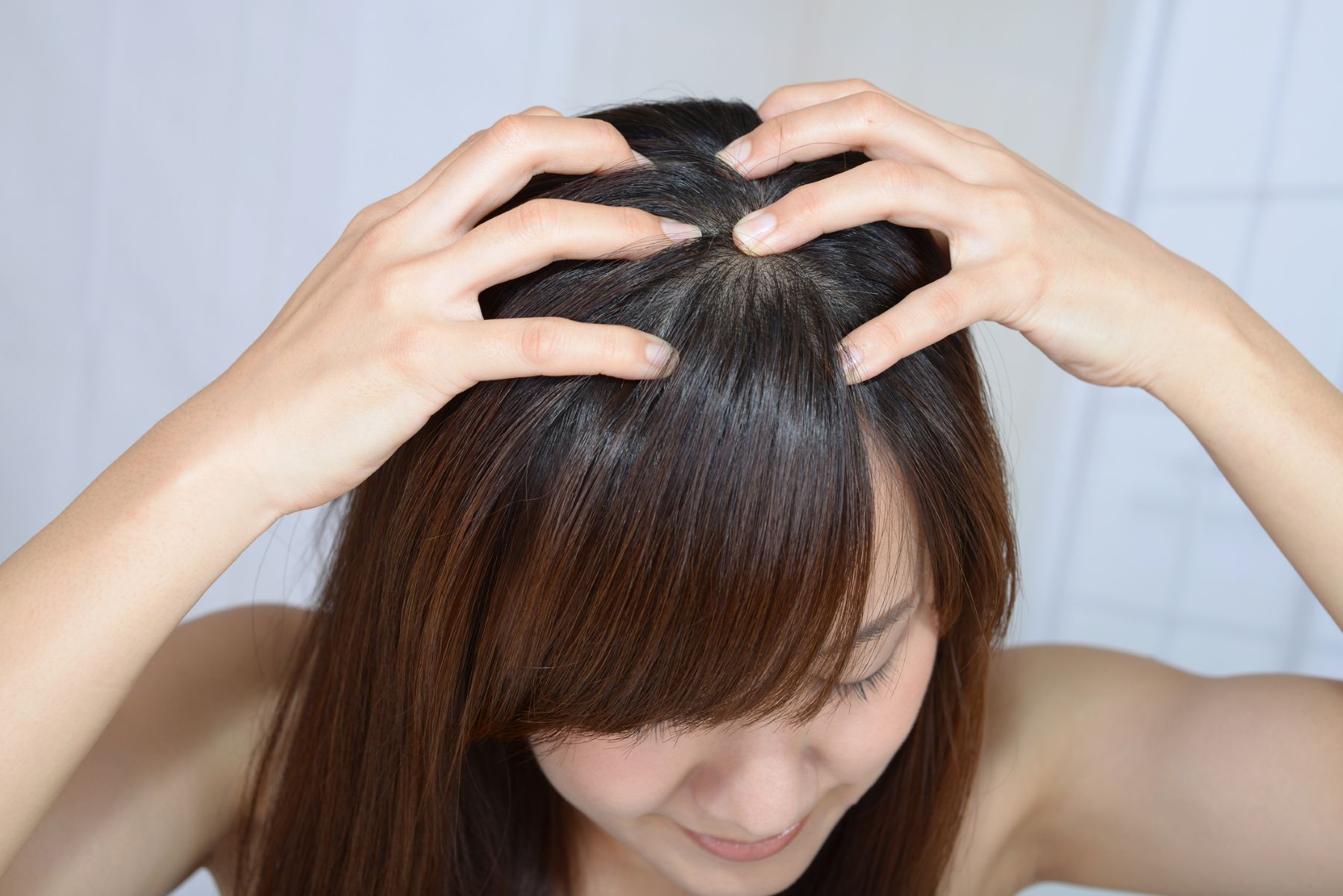
- Massage your scalp — Studies suggest daily scalp massage can help to boost hair growth [13]. However, be patient — it can take several months to see any results.
Your new hair will start to grow several months after your transplant. Within 12 to 18 months, your final results will be visible.